Is Ethereum a Good Investment? (2026 Investment Guide)
When people first enter the crypto market, the first two assets they usually look at are:
- Bitcoin (BTC)
- Ethereum (ETH)
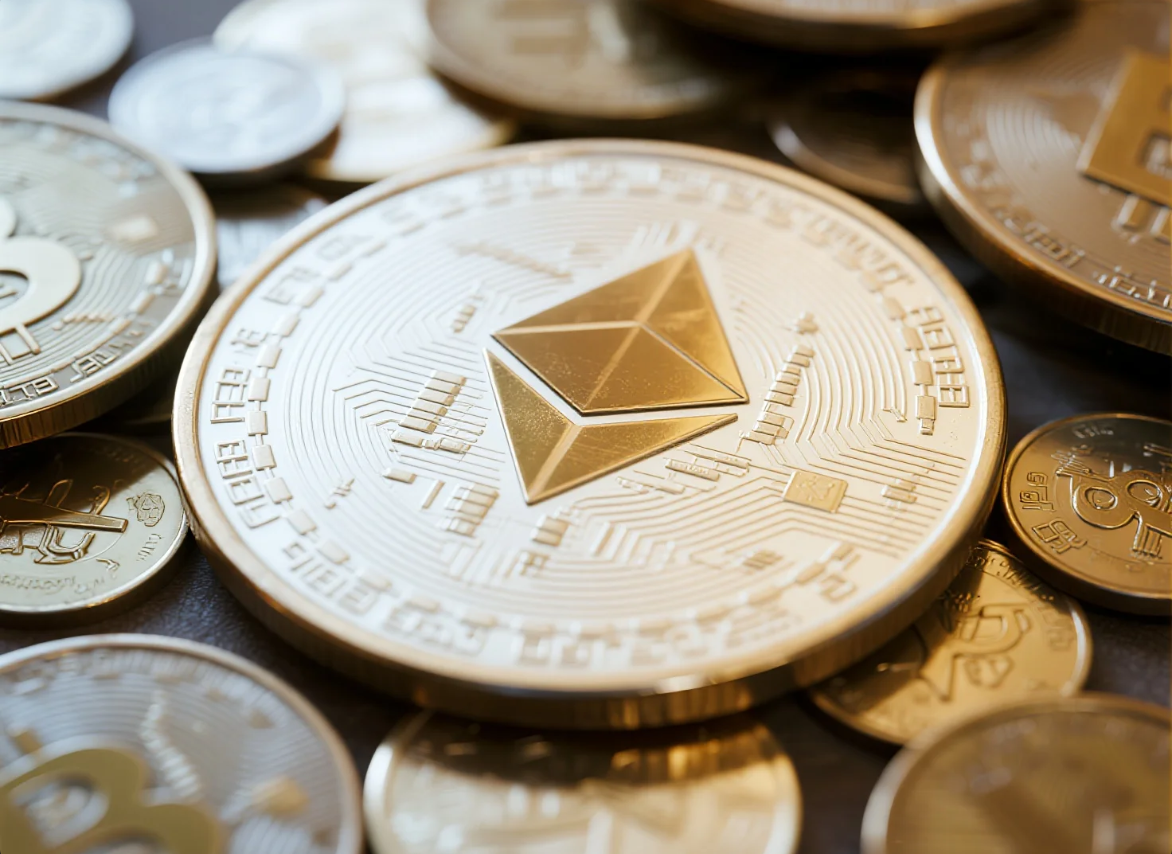
Bitcoin is often viewed as “digital gold,” while Ethereum is more like the infrastructure layer of the crypto economy.
That’s why many investors ask:
- Is Ethereum still worth investing in?
- Is it too late to buy ETH in 2026?
- Is Ethereum a technology asset or just speculation?
This guide will break it down clearly.
Is Ethereum a Good Investment in 2026? The Short Answer
If you ask:
“Is Ethereum a good investment?”
The most accurate answer is:
Ethereum remains one of the most compelling long-term crypto assets for investors who understand the industry, accept volatility, and focus on long-term value.
However, you also need to understand:
- ETH is not risk-free
- ETH will not go up forever
- ETH is best approached through strategic investing, not emotional FOMO buying
In short:
ETH is a high-conviction asset—but not a guaranteed one.
Why So Many Investors Remain Bullish on Ethereum
Ethereum is fundamentally different from most altcoins because:
It is not just a token—it is an entire ecosystem.
ETH is the native asset of the Ethereum network and is used for:
- Paying network transaction fees (Gas)
- Securing the network through staking
- Powering decentralized applications across the ecosystem
That means ETH’s value comes from real utility, not just market speculation.
You can think of ETH as:
- The fuel of the Ethereum network
- The settlement asset for many DeFi and on-chain financial activities
- A yield-generating digital asset through staking
Because of this, Ethereum is widely considered one of the most important foundational assets in crypto.
4 Core Reasons Ethereum Has Investment Potential
1. Ethereum Has Real Utility, Not Just Narrative
Many crypto projects fail because they have:
- A concept but no adoption
- Hype but no sustainable demand
- Speculation but no real users
Ethereum is different.
It powers a large portion of on-chain activity, including:
- Stablecoins
- DeFi
- NFTs
- On-chain payments
- Lending protocols
- RWA (Real-World Assets)
This means:
ETH demand is partially driven by actual network usage—not just speculation.
2. ETH Has Yield Potential Through Staking
Bitcoin’s primary value proposition is scarcity.
Ethereum offers something additional:
ETH can generate yield through staking.
By staking ETH, holders can earn rewards while helping secure the network.
This gives ETH a hybrid investment profile:
- Growth potential from price appreciation
- Yield potential from staking rewards
That makes ETH more than just a passive speculative asset.
3. Institutional Access to ETH Is Improving
In previous years, the only way to buy ETH was through crypto exchanges.
Today, Ethereum is becoming increasingly integrated into traditional finance.
With the approval of spot Ethereum ETF-related products in regulated markets, ETH is becoming more accessible to institutional and traditional investors.
Why this matters:
- More traditional capital can access ETH
- ETH is increasingly viewed as a legitimate investable asset
- Ethereum is moving from “crypto-native asset” toward “global portfolio asset”
This does not guarantee price appreciation, but it does strengthen ETH’s long-term positioning.
4. Ethereum Has Network Effects, Liquidity, and Brand Strength
Assets that tend to perform well long term usually have:
- Strong market recognition
- Deep liquidity
- Large user base
- Sustainable ecosystem growth
- Long-term narrative support
Ethereum checks all of those boxes.
That’s why many investors consider ETH:
The second most important long-term crypto asset after Bitcoin.
Risks of Investing in Ethereum
Ethereum is strong—but not perfect.
1. ETH Is Still Highly Volatile
ETH may be more established than most altcoins, but it is still a crypto asset.
That means:
- Large price swings
- Emotion-driven market moves
- Sharp drawdowns during macro downturns
If you treat ETH like a savings account or conservative stock investment, you may be disappointed.
2. Competition Still Exists
Ethereum leads smart contracts, but competitors continue to emerge:
- Solana
- BNB Chain
- Avalanche
- Sui / Aptos
- Others
Ethereum’s long-term value depends on:
Its ability to maintain ecosystem leadership over time.
3. Regulation and Macro Conditions Matter
Even strong assets struggle when:
- Global liquidity tightens
- Risk appetite falls
- Regulation becomes more restrictive
ETH does not operate in a vacuum.
Successful ETH investing requires understanding:
- Market cycles
- Liquidity conditions
- Macro environment
Who Should Consider Investing in Ethereum?
Ethereum may be a strong fit if you are:
Investors Building a Core Crypto Portfolio
If you want exposure to major crypto assets without chasing speculative small caps, ETH is often a core holding.
Long-Term Investors
ETH is generally better suited for people who:
- Think in 1–5 year horizons
- Can tolerate volatility
- Prefer gradual accumulation over chasing pumps
Investors Who Want to Understand What They Own
The best ETH investors usually understand:
- What Ethereum does
- Why ETH has demand
- How ETH differs from BTC
- What risks ETH faces
Who May NOT Be Suited for Heavy ETH Exposure?
Ethereum may not be ideal if you:
Cannot Handle Volatility
If a 20–30% drawdown would cause panic selling, ETH may be too volatile for your risk tolerance.
Want Fast “100x” Speculation
ETH has upside, but it is no longer a tiny speculative asset.
If you want extreme moonshot potential, ETH may feel too “slow.”
Don’t Understand Basic Crypto Operations Yet
Before investing heavily, make sure you understand:
- How to buy ETH
- How to store ETH
- How to sell ETH
- How to manage risk
If you’re still learning, start here:
👉 How to Buy Ethereum (2026 Guide + Where to Buy)
How Should Investors Think About Ethereum in 2026?
In 2026, the key question is no longer:
“Can ETH 10x again?”
A better question is:
Can Ethereum continue to maintain its role as core crypto infrastructure?
Things to monitor:
- Is Ethereum still the leading smart contract platform?
- Is capital continuing to flow into ETH?
- Is Ethereum maintaining network effects?
- Is ETH still suitable for mainstream portfolio allocation?
If the answer remains yes, ETH continues to deserve serious attention.
A Smarter Way to Invest in ETH
1. Avoid Going All In at Once
A more prudent approach is:
- Buy in batches
- Manage position sizing
- Keep cash reserves
2. Use Beginner-Friendly Platforms
Choose platforms based on:
- Ease of use
- Transparent fees
- Strong liquidity
- Reliable deposit/withdrawal systems
- Beginner-friendly onboarding
If you’re comparing where to start:
👉 How to Buy Ethereum (2026 Guide + Where to Buy)
3. Focus on Risk/Reward, Not Just Upside
Professional investors ask:
- How much could this go up?
- How much could I lose if I’m wrong?
- Can I handle that downside?
That mindset matters more than blind bullishness.
Final Verdict: Is Ethereum a Good Investment?
Yes—Ethereum remains one of the strongest long-term crypto investment candidates in 2026.
Why?
- Real utility
- Strong ecosystem
- Staking/yield mechanics
- Institutional adoption
- Deep liquidity and market leadership
But remember:
- ETH is not a guaranteed winner
- ETH will experience volatility
- ETH rewards disciplined investors more than emotional traders
The right question is not:
“Will ETH go up?”
It is:
“Do I understand Ethereum well enough to invest in it responsibly?”
FAQ About Investing in Ethereum
Is Ethereum good for long-term investing?
For investors who believe in long-term blockchain adoption and can tolerate volatility, Ethereum is often considered one of the best long-term crypto assets.
Is it too late to buy Ethereum in 2026?
Not necessarily.
Markets are about:
- Valuation
- Timing
- Strategy
If you believe in Ethereum’s long-term ecosystem growth and invest gradually, 2026 may still present opportunity.
What is the biggest risk of investing in Ethereum?
Main risks include:
- Market volatility
- Regulatory uncertainty
- Competition from other chains
- Technical/ecosystem risks
Is Ethereum better than Bitcoin?
It depends on your thesis.
Choose BTC if you value:
- Scarcity
- Digital gold narrative
- Simplicity
Choose ETH if you value:
- Ecosystem growth
- Utility
- Yield/staking potential
Many investors hold both.
Does buying less than 1 ETH matter?
Absolutely.
You can buy:
- 0.1 ETH
- 0.05 ETH
- Small recurring amounts
Owning a full coin is not required.
Should beginners buy ETH all at once?
Usually not.
Many investors prefer:
- Dollar-cost averaging (DCA)
- Gradual accumulation
- Reducing timing risk
Source material adapted from your provided article.