The Ethics of Automation: Balancing Progress with Human Value
The manufacturing sector is currently undergoing its most significant transformation since the Industrial Revolution. As robotics, artificial intelligence, and machine learning become the backbone of factory floors, the conversation has shifted from "can we automate?" to "should we?"
While the promise of efficiency, precision, and safety is undeniable, the ethics of automation demand a nuanced approach that prioritizes humanity alongside productivity.
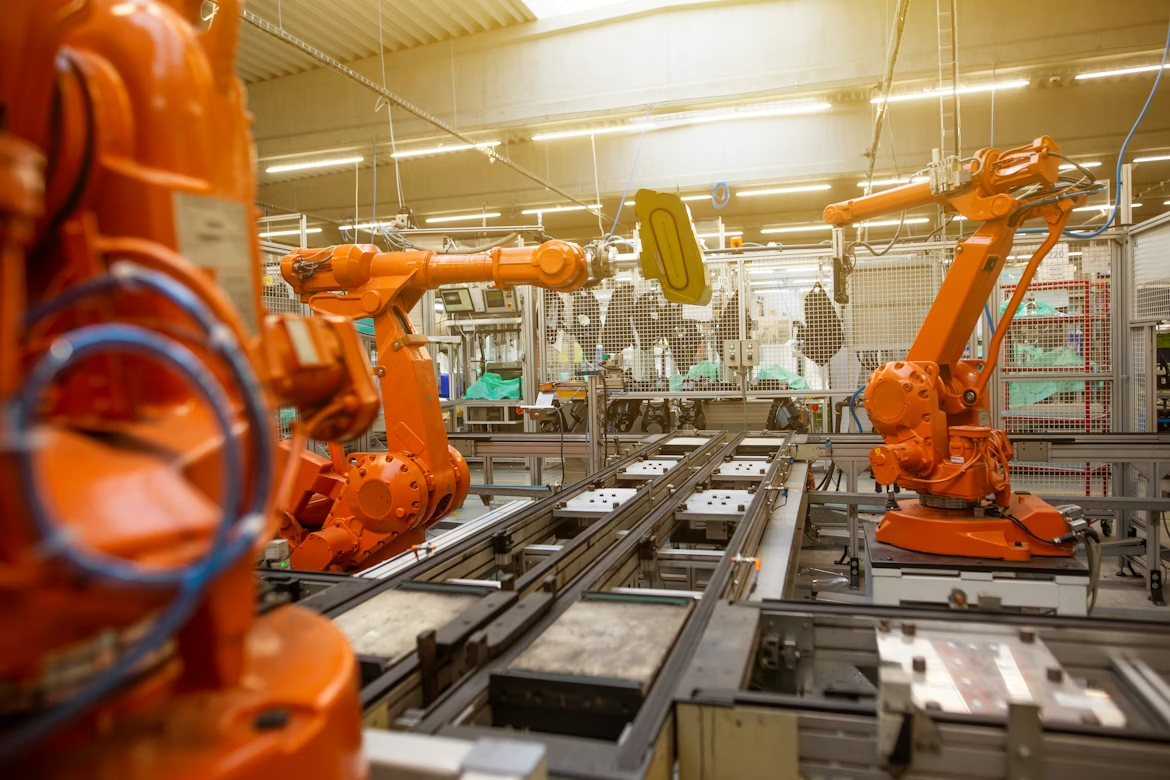
The primary ethical concern is, inevitably, the displacement of the workforce. Automation threatens to render certain skill sets obsolete, potentially leaving thousands of workers vulnerable. From an ethical standpoint, corporations have a responsibility that extends beyond the bottom line.
If technology is used to increase output, the gains should not only benefit shareholders but also support the transition of the workforce. This means investing in "upskilling" programs and creating pathways for employees to move into roles that require human oversight, creative problem-solving, and emotional intelligence—areas where machines still fall short.
Beyond labor, there is the issue of algorithmic accountability. As manufacturing systems become autonomous, who is responsible when a process fails or causes harm?
If an AI makes a decision that leads to a safety breach or a flawed product batch, the chain of accountability must be transparent. Relying on "black box" systems in industrial environments raises serious questions about oversight and the potential for systemic bias in operational decisions.
Ultimately, the goal of automation should be to enhance the human experience, not erase it. By offloading repetitive, dangerous, or physically taxing tasks to machines, we can improve worker safety and job satisfaction. However, this transition must be managed with a social conscience.
Ethical manufacturing in the age of AI requires a commitment to human-centric design, equitable training, and clear chains of responsibility. Automation is a tool for progress, but it is our moral duty to ensure it builds a future that includes everyone.