Sustainable Battery Testing: Reducing Carbon Footprint with Regenerative Loads
As the global push toward electrification accelerates, batteries have become the backbone of modern energy systems. From electric vehicles (EVs) and renewable energy storage to consumer electronics and industrial applications, batteries are everywhere. But behind every high-performance battery lies an intensive testing process—one that can consume vast amounts of energy.
Ironically, while batteries are central to enabling a cleaner future, the process of testing them can contribute significantly to energy waste and carbon emissions. This contradiction has driven a growing demand for more sustainable testing solutions. Among the most impactful innovations in this space are regenerative loads.
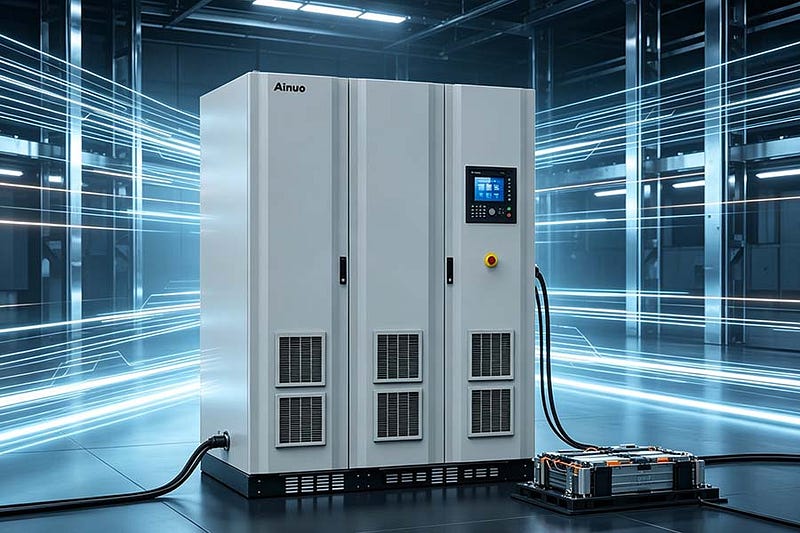
Regenerative load technology is transforming how battery testing is conducted by dramatically reducing energy waste and lowering the carbon footprint of testing facilities. In this article, we explore how regenerative loads contribute to sustainable battery testing and why they are becoming essential in modern labs.
The Environmental Challenge of Battery Testing
Battery testing is inherently energy-intensive. To validate performance, safety, and lifecycle characteristics, batteries undergo repeated charge and discharge cycles under controlled conditions. During discharge, stored energy must be absorbed by a load system.
Traditionally, this role has been filled by resistive loads. These systems convert electrical energy into heat, which is then dissipated into the environment. While straightforward and reliable, this approach introduces several environmental challenges:
- Massive energy waste: All discharged energy is lost
- High cooling demand: Heat dissipation requires significant HVAC usage
- Increased emissions: More electricity consumption leads to higher carbon output
- Inefficient resource use: Energy is used once and discarded
As battery capacities increase—especially in EV and grid-scale applications—the environmental impact of testing grows exponentially.
What Are Regenerative Loads?
Regenerative loads are advanced systems designed to absorb electrical energy and return it to the power source instead of dissipating it as heat. In battery testing, this means that the energy released during discharge is not wasted but reused.
These systems work by:
- Drawing power from the battery under test
- Converting DC energy into AC power
- Synchronizing with the facility’s electrical system
- Feeding energy back into the grid or local power network
This closed-loop approach is the foundation of sustainable battery testing.
Reducing Carbon Footprint Through Energy Recovery
1. Minimizing Net Energy Consumption
The most direct way regenerative loads reduce carbon footprint is by lowering total energy consumption. Instead of requiring fresh electricity for every test cycle, a significant portion of the energy is reused.
For example:
- A traditional test setup wastes 100% of discharge energy
- A regenerative system can recover up to 80–95% of that energy
This reduction in net energy usage translates directly into lower greenhouse gas emissions, especially in regions where electricity is generated from fossil fuels.
2. Lowering Indirect Emissions from Cooling Systems
Heat generation is a major contributor to energy consumption in battery test labs. Resistive loads produce large amounts of heat, which must be removed using air conditioning or industrial cooling systems.
Regenerative loads significantly reduce heat output, resulting in:
- Lower cooling requirements
- Reduced electricity consumption for HVAC systems
- Less strain on facility infrastructure
This indirect reduction in energy use further decreases the overall carbon footprint.
3. Supporting Renewable Energy Integration
Regenerative loads align well with renewable energy systems. In facilities powered partially or fully by solar or wind energy, recovered power can be reused internally, maximizing the value of clean energy.
This creates opportunities for:
- Energy self-consumption: Using recovered energy within the facility
- Load balancing: Smoothing energy demand fluctuations
- Grid support: Reducing reliance on external energy sources
By integrating regenerative loads, battery test labs can move closer to energy-neutral or even net-zero operations.
Sustainability Benefits Beyond Energy Savings
1. Reduced Infrastructure Requirements
Because regenerative systems are more efficient, they reduce the need for:
- High-capacity electrical supply upgrades
- Large cooling systems
- Extensive heat management infrastructure
This not only lowers capital expenditure but also reduces the environmental impact associated with building and maintaining such infrastructure.
2. Improved Lifecycle Sustainability
Sustainability is not just about operational efficiency—it’s also about lifecycle impact. Regenerative loads contribute positively by:
- Extending equipment lifespan due to lower thermal stress
- Reducing wear and tear on facility systems
- Minimizing maintenance-related resource use
Over time, these factors contribute to a smaller environmental footprint.
3. Alignment with ESG and Regulatory Goals
Organizations today are under increasing pressure to meet environmental, social, and governance (ESG) targets. Governments and regulatory bodies are also tightening energy efficiency and emissions standards.
Adopting regenerative loads helps organizations:
- Demonstrate commitment to sustainability
- Meet regulatory requirements more easily
- Enhance brand reputation and stakeholder trust
For companies in the EV and clean energy sectors, sustainable testing practices are especially important for maintaining credibility.
Economic and Environmental Synergy
One of the most compelling aspects of regenerative loads is that sustainability and cost savings go hand in hand.
Cost Benefits Include:
- Reduced electricity bills
- Lower cooling expenses
- Decreased infrastructure investments
- Faster ROI compared to traditional systems
Environmental Benefits Include:
- Lower carbon emissions
- Reduced energy waste
- Improved resource efficiency
This alignment makes regenerative loads an attractive investment for both financial and environmental reasons.
Real-World Impact: A Practical Perspective
Consider a battery testing facility operating multiple high-capacity systems daily. Each battery discharge cycle may release hundreds of kilowatt-hours of energy.
Without regeneration:
- All energy is wasted as heat
- Additional energy is required for cooling
With regeneration:
- Most energy is recovered and reused
- Cooling requirements are significantly reduced
Over time, this can result in:
- Tens or hundreds of thousands of kilowatt-hours saved annually
- Significant reductions in CO₂ emissions
- Lower operational costs
These savings scale with the size and intensity of the testing operation, making regenerative loads especially valuable for large facilities.
Challenges in Adopting Regenerative Loads
While the benefits are clear, transitioning to regenerative load systems does come with considerations:
1. Higher Initial Investment
Regenerative systems typically cost more upfront than resistive loads. However, this is often offset by long-term savings.
2. Grid Compatibility
Facilities must ensure their electrical systems can handle energy feedback. This may require upgrades or compliance with local regulations.
3. Technical Complexity
Advanced power electronics and control systems require skilled personnel for installation and maintenance.
Despite these challenges, the long-term advantages in sustainability and efficiency make regenerative loads a worthwhile investment.
The Future of Sustainable Battery Testing
As industries continue to prioritize sustainability, battery testing practices must evolve. The future will likely see:
- Wider adoption of regenerative technologies
- Integration with smart grids and energy management systems
- Increased use of renewable energy in testing facilities
- Greater emphasis on lifecycle sustainability
Regenerative loads are not just a technological upgrade—they are a fundamental shift toward more responsible energy use.
Conclusion
Battery testing is essential for advancing the technologies that power our modern world. However, it must also evolve to meet the growing demand for sustainability. Regenerative loads provide a powerful solution by turning energy waste into energy reuse.
By adopting regenerative load technology, battery test labs can:
- Dramatically reduce energy consumption
- Lower their carbon footprint
- Cut operational costs
- Improve overall efficiency
In a world increasingly focused on environmental responsibility, sustainable battery testing is no longer optional—it is a necessity. Regenerative loads are leading the way, enabling cleaner, smarter, and more efficient testing processes that align with the goals of a sustainable future.