The Power of Presence: How to Win at Live Event Marketing
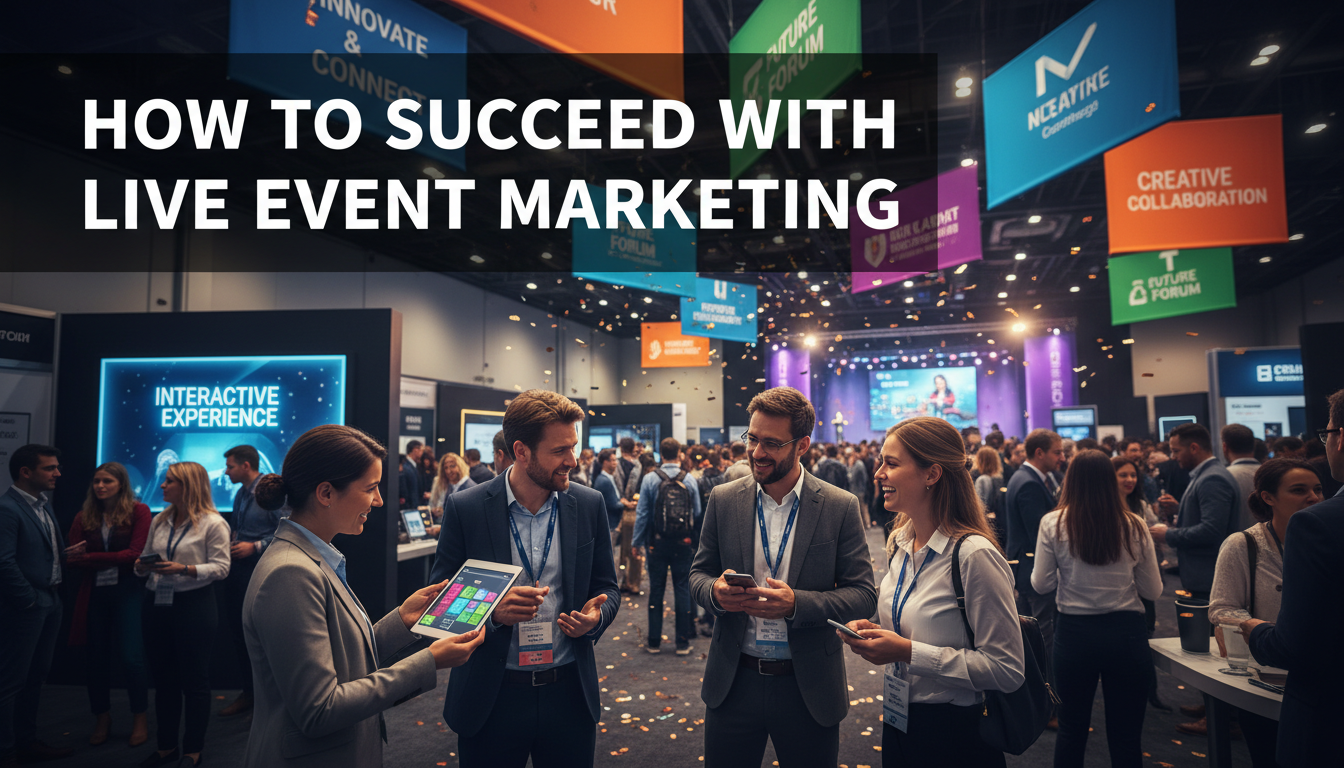
In an increasingly automated world, the value of a handshake and a shared physical space has never been higher, positioning live event marketing as a premier strategy for authentic brand growth. While digital ads can be scrolled past and emails can be deleted, a well-executed in-person experience demands attention and builds an emotional bridge between a company and its customers. From large-scale industry trade shows to intimate executive roundtables, the ability to create a sensory-rich environment is what separates market leaders from the rest of the pack.
Why Live Event Marketing is Your Best Growth Tool
The primary advantage of experiential marketing is the transition from a "one-way" broadcast to a "two-way" conversation. When a brand hosts an event, it isn't just selling a product; it is inviting its audience into a curated culture. According to insights shared by Event Marketing Guide, successful events rely on the psychological principle of "active participation." By allowing attendees to touch, test, and discuss products in real-time, you reduce the friction of the sales cycle and establish a foundation of trust that can take years to build online.
Strategizing for success begins with a laser-focused objective. Every decision—from the choice of venue to the color of the lanyards—should support a specific goal, whether that is high-volume lead generation, the launch of a new service, or deepening existing client loyalty. By identifying your Key Performance Indicators (KPIs) at the start, you can ensure that your live event marketing budget is used effectively to drive a measurable return on investment.
Strategic Promotion: Building the "Must-Attend" Factor
A live event is only as strong as its audience, which is why your promotional timeline is critical. You must treat your event like a high-stakes product launch, utilizing a multi-channel approach to build early momentum. Start by creating a dedicated landing page that serves as your digital headquarters, featuring speaker highlights, video teasers from previous years, and compelling reasons to attend.
Email marketing remains the workhorse of event registration. Segmenting your database allows you to send tailored invitations that speak directly to the professional needs of different attendee personas. As noted by Event Marketing Guide, adding elements of "scarcity" and "exclusivity"—such as limited-capacity workshops or tiered "VIP" access—is a powerful way to accelerate the registration process. When people feel that an event is a rare opportunity for growth, they are far more likely to commit early.
Maximizing the On-Site Attendee Journey
The moment a guest steps into your venue, the "experience" becomes the product. The layout should be intuitive, guiding visitors naturally from high-energy check-in zones to quiet networking lounges or educational stages. Incorporating "gamification" is a highly effective tactic in live event marketing; by rewarding attendees for visiting specific booths or participating in live polls, you keep their engagement levels high throughout the day.
Technology is the silent partner in a successful event. From mobile apps that offer real-time scheduling to "smart" badges that allow for seamless lead scanning, digital tools should be used to remove any logistical friction. Furthermore, encouraging a "social-first" environment with photo-ops and live hashtag walls turns every attendee into a content creator for your brand, amplifying your message to their own professional networks in real-time.
The Fortune is in the Post-Event Follow-Up
Many brands make the mistake of ending the campaign once the venue doors close, but the post-event phase is where the real revenue is captured. The "afterglow" of a successful event lasts for about 48 hours; you must strike while the iron is hot. A personalized follow-up is essential, providing attendees with a recap of the sessions, a thank-you note, or an exclusive "next-step" offer that is only available to those who were present.
Finally, take the time to conduct a thorough "post-mortem" analysis. Use attendee surveys and lead-quality data to determine what worked and what didn't. This data-driven approach ensures that each live event marketing activation is a stepping stone toward a more refined and effective strategy for the future.
Key Success Pillars for Live Events
Start with Clarity: Define your business goals before booking a single vendor.
Build Early Momentum: Use social proof and "early bird" incentives to drive sign-ups.
Prioritize Engagement: Replace boring lectures with interactive workshops and Q&A sessions.
Use Tech Wisely: Leverage digital tools to simplify the attendee experience and capture data.
Follow Up Fast: Strike within 24–48 hours to convert event energy into sales.
Read the Full Article
Navigating the logistics and psychological triggers of a successful brand activation requires a master blueprint. To see the full breakdown of industry-leading strategies and step-by-step checklists to ensure your next event is a success, we encourage you to read the complete analysis from the source.
👉 Read the full article here: https://eventmarketingguide.com/how-to-succeed-with-live-event-marketing/