High blood sugar at morning with medications
Hi there, I'm sorry to hear you're feeling this way — waking up with high blood sugar repeatedly can be really frustrating and concerning. Let's go through what you've shared and think through possible causes and next steps.
You mentioned:
- Morning blood sugar of 195 mg/dL for the past 4 days
- This happens even after taking your medication at night
- You took your second dose of medication already (assuming this is your daytime dose)
- You're feeling thirsty
- You drank 6 large cups of water with lemon juice and a little apple cider vinegar overnight
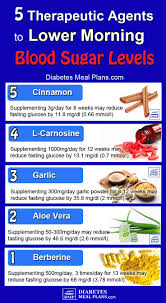
Let’s break this down.
🔍 Why Is Your Morning Blood Sugar High?
There are a few common reasons for high fasting blood sugar in the morning:
Dawn Phenomenon
Your body releases hormones (like cortisol and growth hormone) in the early morning (around 4–8 AM) that increase insulin resistance and signal the liver to release glucose.
This is common in people with diabetes and can cause high morning readings even if you ate well the night before.
Somogyi Effect (Rebound Hyperglycemia)
If your blood sugar drops too low during the night (hypoglycemia), your body may release stress hormones that raise it too high by morning.
This is less common but possible, especially if you're on insulin or certain medications like sulfonylureas.
Inadequate Medication Dosing or Timing
If your current nighttime medication isn’t strong enough or isn’t lasting through the night, it may not control your glucose effectively until morning.
Evening Food Intake or Late Snacks
Carbohydrates consumed late at night, especially those with a high glycemic index, can affect fasting levels the next day.
Dehydration or Illness
Even mild dehydration can concentrate glucose in the blood, raising readings. Illness or stress can also elevate blood sugar.
🚨 Signs of Concern
You're experiencing thirst and frequent water intake, which are classic symptoms of hyperglycemia (high blood sugar). With a reading of 195 mg/dL and ongoing thirst, it's important to monitor closely.
While 195 mg/dL isn’t an emergency, if it stays elevated or goes higher — especially above 250 mg/dL — and you start feeling:
- Very tired
- Nauseous
- Short of breath
- Fruity-smelling breath
- Confused
…you should seek medical attention, as this could signal diabetic ketoacidosis (DKA), especially if you have type 1 diabetes or advanced type 2.
💡 What You Can Do Now
Check for Ketones (if possible)
If you have a ketone meter or urine test strips, check for ketones, especially if you feel unwell or your sugar remains above 240 mg/dL.
Ketones + high sugar = need for prompt medical advice.
Stay Hydrated
You're already drinking water — great! Keep going. Water helps flush excess glucose through urine.
Avoid sugary drinks, even natural ones like too much lemon juice or apple cider vinegar with honey.
Apple Cider Vinegar (ACV)
Some studies suggest ACV may help lower fasting glucose, but evidence is mixed. A small amount (1–2 tsp in water) is generally safe.
But 6 large cups with ACV could irritate your stomach or affect potassium levels over time. Use in moderation.
Review Your Medication
Are you on medications like metformin, insulin, GLP-1 agonists, sulfonylureas, etc.?
Taking your second dose early won’t help morning levels — timing matters. Never adjust doses without consulting your doctor.
Consider a Bedtime Snack (if appropriate)
A small, protein-rich snack before bed (like nuts, cheese, or Greek yogurt) may help prevent blood sugar swings, depending on your treatment plan.
✅ Next Steps
- Keep a log: Record your bedtime glucose, what you ate, medication timing, and fasting glucose for a few days.
- Talk to your healthcare provider: Since this has happened 4 days in a row, it’s time to discuss adjusting your treatment plan.
They may consider:
Adjusting your nighttime medication
Adding a long-acting insulin or GLP-1 agonist
Checking A1c or doing a continuous glucose monitor (CGM) study
📌 Summary
IssueRecommendationFasting glucose 195 mg/dL × 4 daysNot an emergency, but needs evaluationThirst, frequent drinkingSign of hyperglycemia — stay hydratedApple cider vinegarOK in small amounts; not a fixMedication timingDon’t double dose; consult doctorNext stepContact your doctor to review your regimen
Upvoted! Thank you for supporting witness @jswit.