Style with Substance: An Overview of Sustainable Fashion Practices
In an era where "fast fashion" dominates our closets, the environmental and human cost of our clothing has never been more apparent. The fashion industry is one of the largest polluters globally, accounting for significant carbon emissions, water waste, and landfill overflow.
However, a pivot is happening. Sustainable fashion—a movement toward greater ecological integrity and social justice—is transforming how we design, consume, and value our garments.
At its core, sustainable fashion is about mindful production. This begins with raw materials. Brands are increasingly turning to organic cotton, hemp, Tencel, and recycled polyester to reduce the reliance on toxic pesticides and excessive water.
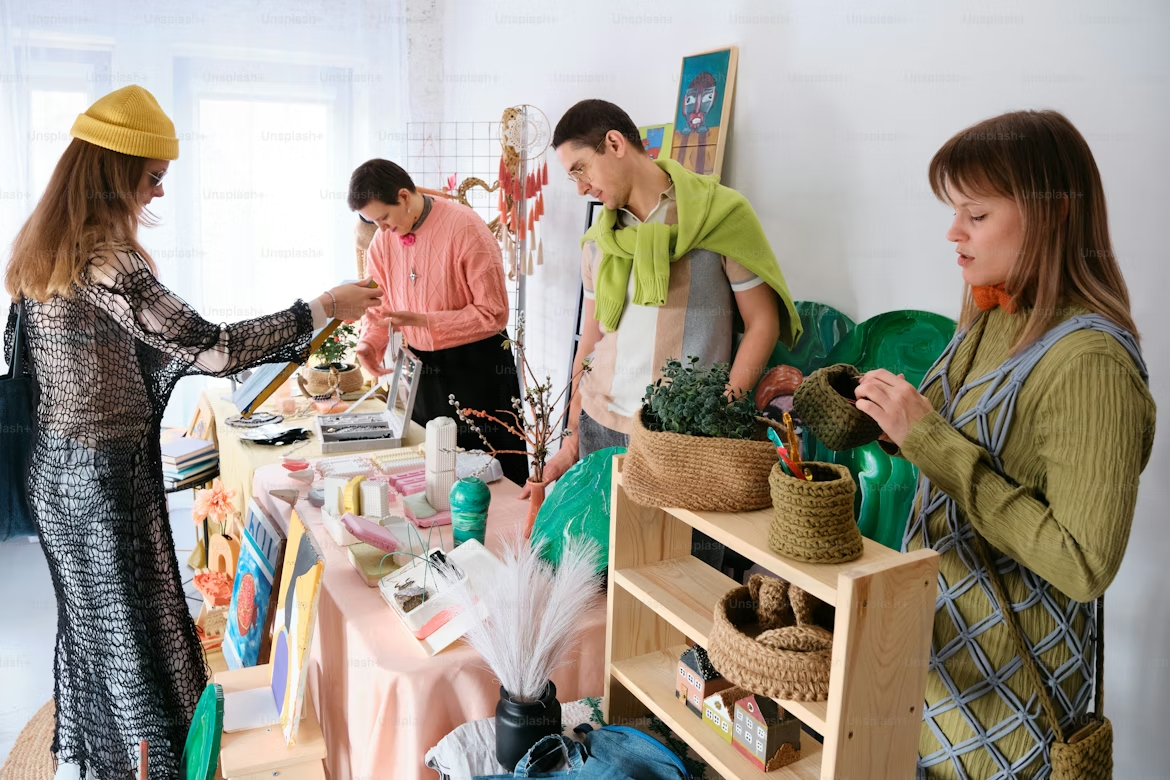
Beyond the material, it involves ethical manufacturing, ensuring that garment workers receive fair wages and operate in safe, transparent conditions.
A major pillar of this movement is the circular economy. Rather than the "take-make-waste" model, circularity encourages brands to design clothes that are durable, repairable, and recyclable.
This is supported by the growing popularity of resale platforms, thrift shopping, and clothing rental services, all of which extend the life of garments and keep textiles out of landfills.
For the consumer, practicing sustainable fashion doesn't require a total overhaul of your wardrobe overnight. It starts with a shift in mindset:
Buy Less, Choose Well: Prioritize quality over quantity. Invest in timeless pieces that are built to last.
Check the Label: Look for certifications like GOTS (Global Organic Textile Standard) or Fair Trade, which verify a brand’s claims.
Care for Your Clothes: Learn basic mending skills and wash clothes less frequently to preserve their fibers.
Sustainable fashion is not just a trend—it is a necessary evolution. By choosing brands that respect both the planet and its people, we can redefine our relationship with our wardrobes, proving that looking good shouldn't come at a cost to the earth.