Beyond the Drive-Thru: How the Slow Food Movement Challenges Fast Food
In an era defined by instant gratification, the "fast food" model has become the global standard for consumption: quick, cheap, and standardized. However, a growing cultural shift—the Slow Food movement—is challenging this paradigm, advocating for a return to quality, sustainability, and intentionality in what we eat.
The Philosophy of Slow
Founded in Italy in the late 1980s by Carlo Petrini, the Slow Food movement was a direct reaction to the opening of a McDonald’s near the Spanish Steps in Rome. It posits that food should be "good, clean, and fair."
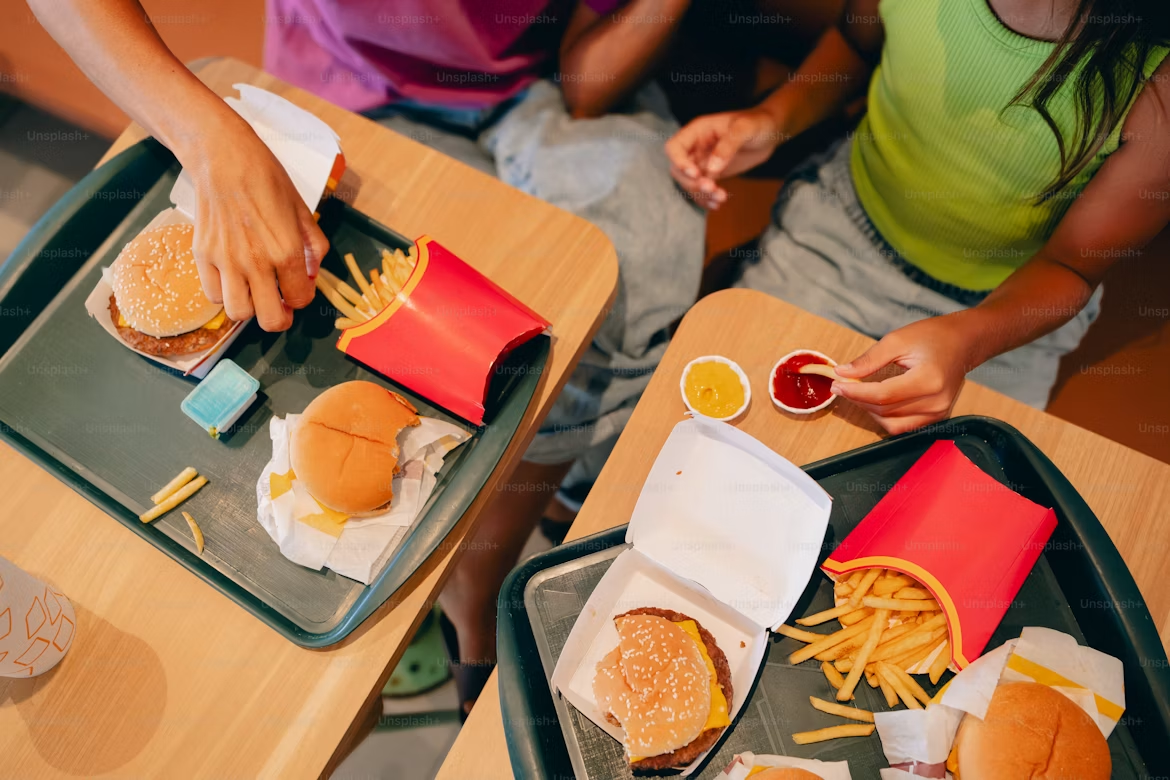
- Good: High-quality, seasonal, and flavorful produce.
- Clean: Agricultural practices that protect the environment and biodiversity.
- Fair: Ethical treatment for workers and affordable prices for consumers and producers alike.
Challenging the Convenience Culture
The primary friction between Slow Food and fast food lies in the supply chain. Fast food relies on industrial agriculture, which prioritizes shelf-life, shipping durability, and cost-cutting over nutritional density and ecological health. This often results in highly processed meals with hidden environmental and health costs.
In contrast, the Slow Food movement champions local food systems. By supporting farmers' markets, community-supported agriculture (CSA), and heirloom varieties, the movement shrinks the distance between "farm and fork."
This reduces carbon footprints associated with long-distance transport and ensures that the economic benefits stay within the local community.
The Cultural Impact
Beyond the plate, Slow Food challenges the speed of modern life. Fast food encourages eating on the run, disconnecting us from our food sources and our dining companions. The Slow Food movement promotes the "pleasure of the table"—the idea that taking time to cook and eat together is a fundamental act of culture and human connection.
By choosing quality over convenience, the Slow Food movement isn't just changing our diets; it is reclaiming our relationship with the planet and each other. Eating slowly is, ultimately, an act of resistance.