7 Things to Check Before Using a Personal Loan for an Emergency Expense
An unexpected expense rarely arrives at a convenient time.
Your car may suddenly need a major repair. A medical bill might arrive that you did not plan for. An essential appliance could stop working just when your savings are already stretched.
When cash is limited, a personal loan can appear to be a straightforward solution.
But getting access to money quickly should not mean making the borrowing decision quickly.
Before using a personal loan for an emergency expense, spend a little time checking what the loan will really cost and how the new payment will affect your budget.

An emergency may require a quick decision, but the repayment obligation can continue long after the emergency is over.
1. Decide Whether the Expense Is Actually Urgent
The first question should not be:
How much can I borrow?
Instead, ask:
Does this expense need to be paid immediately?
Some expenses really cannot wait.
For example, repairing the vehicle you rely on to get to work may be urgent.
Other purchases may feel important without actually requiring immediate financing.
If an expense can safely be postponed for several weeks or months, saving toward it could reduce or eliminate the amount you need to borrow.
A useful approach is to separate:
Immediate necessities
from
Expenses that can reasonably wait
Borrowing becomes much easier to evaluate once you know exactly why the money is needed.
For more educational resources on personal loans, borrowing costs, credit, and debt, visit EasyLoanWorld.
2. Calculate the Exact Amount You Need
Imagine your car repair costs:
$2,800
A lender tells you that you qualify for:
$7,500
It can be tempting to borrow the full amount.
But approval does not mean you need all of that money.
Borrowing an additional:
$4,700
could increase your monthly payment, interest cost, and total repayment without solving any additional emergency.
Before applying, determine your actual shortfall.
Suppose:
Emergency cost: $2,800
Available savings: $900
Amount you still need:
$1,900
That $1,900 figure is much more useful than simply asking how much a lender will approve.
Borrowing according to the expense rather than the approval limit can help keep the repayment obligation smaller.
3. Check How Much Cash You Will Actually Receive
The advertised loan amount is not always the amount that reaches your bank account.
Some personal loans may include an origination fee.
Imagine you are approved for:
$5,000
and the loan includes a:
5% origination fee
Five percent of $5,000 equals:
$250
Depending on how the lender structures the transaction, the amount deposited into your account could be:
$4,750
If your emergency requires the full $5,000, that difference matters.
Always compare these three numbers:
| Number | Example |
|---|---|
| Loan amount | $5,000 |
| Fees deducted | $250 |
| Amount received | $4,750 |
This is one reason it is important to read the final loan terms rather than relying only on the advertised loan amount.
4. Look at APR, Not Just the Interest Rate
The interest rate is important, but it may not tell you everything about the cost of borrowing.
The annual percentage rate, or APR, can provide a broader measure because certain borrowing costs may be incorporated into it.
Imagine two emergency-loan offers.
| Loan A | Loan B | |
|---|---|---|
| Interest rate | 9.5% | 10.5% |
| Origination fee | 5% | None |
| Term | 36 months | 36 months |
Looking only at the interest rate makes Loan A appear cheaper.
Once the fee is considered, the comparison may look different.
The lesson is simple:
Do not choose a loan using one percentage alone.
Compare the APR, fees, repayment period, monthly payment, and total amount you will repay.
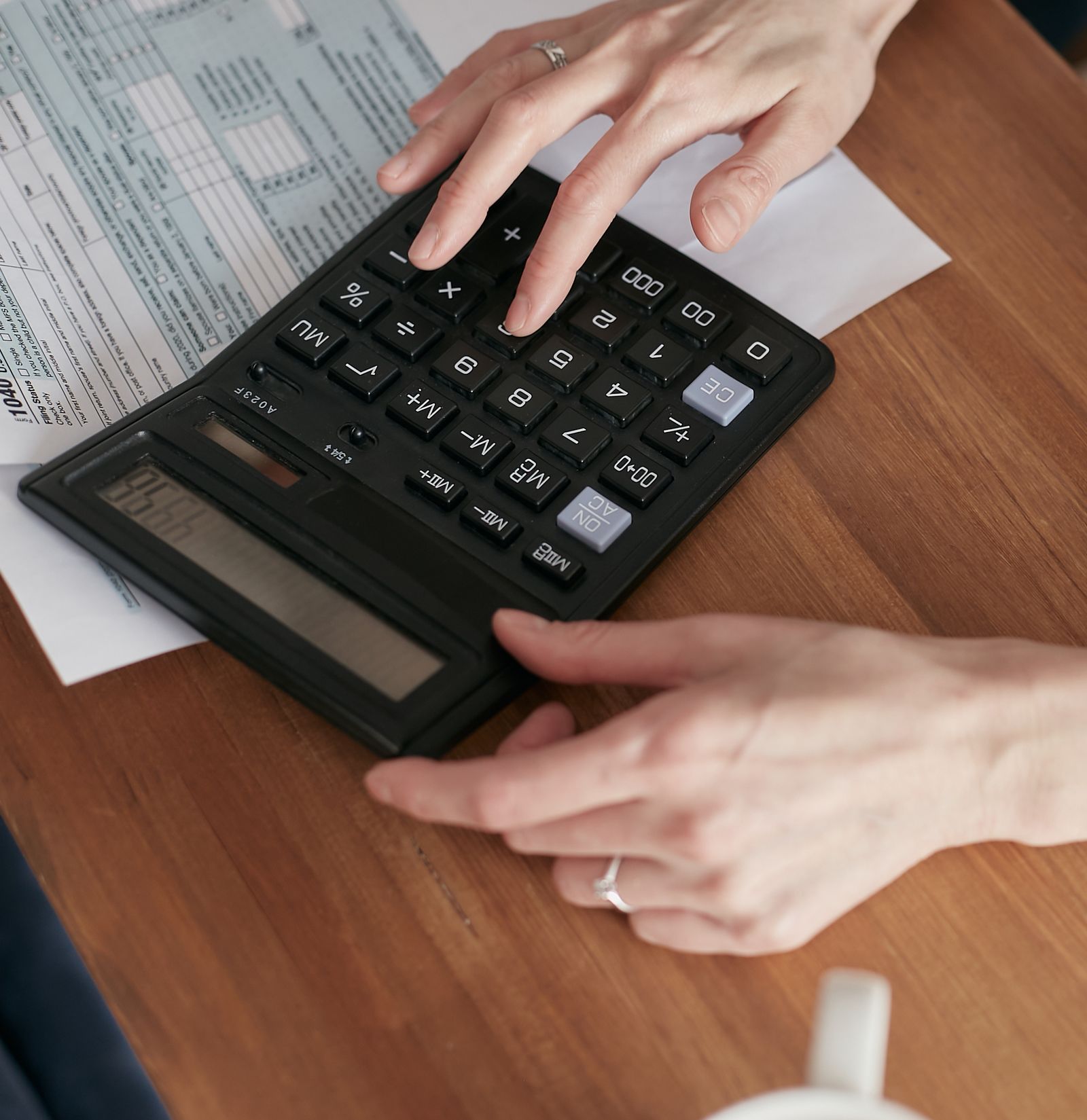
Compare the complete borrowing cost rather than focusing only on the headline interest rate.
5. Put the New Payment Into Your Real Budget
A loan can solve today's cash shortage while creating a new monthly expense.
Suppose your take-home income is:
$4,500 per month
Your regular monthly spending is:
| Expense | Amount |
|---|---|
| Housing | $1,400 |
| Food | $600 |
| Transportation | $450 |
| Utilities | $300 |
| Insurance | $250 |
| Existing debt | $500 |
| Other expenses | $500 |
| Total | $4,000 |
You currently have approximately:
$500 per month
remaining.
Now suppose the emergency loan adds:
$350 per month
Your remaining monthly flexibility falls to:
$150
Technically, the payment fits.
But the more important question is:
Is $150 enough room for future unexpected expenses?
A loan payment that consumes nearly every available dollar may be difficult to sustain.
You can find additional practical borrowing and budgeting guides at EasyLoanWorld.
6. Compare the Monthly Payment With the Total Repayment
Longer loan terms can make monthly payments look more affordable.
That does not necessarily mean they are cheaper.
Consider a simplified example.
Option A
Borrowed amount: $6,000
Monthly payment: $280
Repayment period: 24 months
Option B
Borrowed amount: $6,000
Monthly payment: $145
Repayment period: 60 months
Option B appears much easier on the monthly budget.
But payments continue for three additional years.
Depending on the APR and fees, the total borrowing cost may be considerably higher.
This creates an important trade-off.
A shorter term may mean a higher monthly payment but potentially less time paying interest.
A longer term may provide a smaller payment but keep the debt around much longer.
Neither decision should be based on monthly payment alone.
7. Think About the Next Emergency Too
The immediate problem naturally gets most of your attention.
But ask yourself:
What happens if another emergency occurs next month?
Imagine you take a personal loan to cover a:
$3,000 car repair
and begin making:
$200 monthly payments
Two months later, you receive an unexpected:
$1,000 medical bill
If you used all of your savings for the first emergency, you may have to borrow again.
That can start a cycle where one emergency loan is followed by another.
Even while repaying debt, keeping or rebuilding some emergency savings can provide valuable financial breathing room.

The strongest emergency plan considers not only today's expense but also your ability to handle the next unexpected bill.
Should You Use Savings Before Borrowing?
Suppose the emergency costs:
$5,000
and you have:
$6,000 in savings
You could technically pay the entire expense from savings and avoid borrowing.
But doing so would leave only:
$1,000
in your emergency fund.
The alternative might be to use some savings and finance the remaining amount.
For example:
Emergency cost: $5,000
Savings used: $2,500
Amount financed: $2,500
Whether this makes sense depends on the cost of borrowing, your income stability, remaining savings, other debts, and the likelihood of another major expense.
There is no universal answer.
The useful comparison is between:
the cost of borrowing
and
the financial value of maintaining cash reserves
rather than automatically choosing one or the other.
Check Other Available Options
A personal loan is only one possible way to handle an emergency.
Depending on the situation, other options may exist.
A medical provider, repair company, utility company, or other creditor may have payment arrangements available.
You may also have savings or other lower-cost resources.
The important point is not that one particular option is always best.
It is that you should know what alternatives exist before committing to several years of repayment.
Avoid "Guaranteed Approval" Thinking
Financial emergencies can make fast approval extremely attractive.
That urgency can also make borrowers vulnerable to poor offers.
Be cautious when an offer places more emphasis on:
Instant approval
Guaranteed acceptance
or
Money immediately
than on explaining the actual cost.
Legitimate borrowing decisions should give you a clear opportunity to understand the terms.
Make sure you can identify the lender, understand the APR and fees, see the repayment schedule, and know exactly what you are agreeing to before providing money or sensitive financial information.
Read What Happens If You Miss a Payment
When money is already tight, it is especially important to understand missed-payment rules.
Check the agreement for information about:
Late fees
Grace periods
Returned-payment charges
Credit reporting
Collections
Hardship options
Suppose a payment is:
$250 per month
and your budget leaves only:
$100 of flexibility
One unexpected expense could make the payment difficult.
Understanding the consequences beforehand allows you to evaluate that risk before signing.
Create an Emergency-Loan Stress Test
Before taking the loan, perform one simple exercise.
Imagine that the new payment has already started.
For example:
Normal monthly income:
$4,500
Normal expenses:
$3,800
New loan payment:
$300
Remaining:
$400
Now imagine a difficult month where you also have:
$300 unexpected expense
Your remaining flexibility falls to:
$100
Now imagine your income temporarily falls by:
$400
Your budget becomes negative.
This type of stress test can reveal vulnerabilities that are difficult to see when looking only at the lender's monthly-payment number.
What Should You Know Before Accepting the Loan?
Before signing, make sure you can clearly identify the loan amount, amount actually deposited, interest rate, APR, origination fee, monthly payment, number of payments, total repayment, late-payment rules, prepayment rules, and whether the payment still leaves enough room in your budget.
If you cannot easily find this information, reviewing the agreement again before accepting the loan is worthwhile.
Emergency Borrowing Example
Suppose you unexpectedly need:
$4,000
for an essential home repair.
You currently have:
$1,500
available in savings.
You decide you are comfortable using:
$1,000
while keeping:
$500
available for other immediate needs.
That leaves:
$3,000
to finance.
You compare several loan offers rather than automatically accepting a $7,500 preapproval.
One offer provides:
Loan amount: $3,000
Fixed monthly payment: $105
Term: 36 months
You then place that $105 payment into your monthly budget and calculate whether sufficient cash remains for normal spending and savings.
This process does not guarantee that borrowing is the right choice.
But it provides far more information than simply asking:
"Can I get $3,000 today?"
Final Thoughts
Emergencies create urgency.
Loans create long-term obligations.
Those two timelines are very different.
Before using a personal loan for an emergency, determine exactly how much money you need, check what will actually be deposited, compare APR and fees, calculate the total repayment, and place the monthly payment into your real budget.
Most importantly, think beyond today's bill.
Ask whether the new debt still leaves enough financial flexibility to handle the next unexpected expense.
A personal loan can address an immediate cash need, but understanding the repayment obligation is what determines whether the solution remains manageable after the emergency has passed.
For more educational guides and financial tools covering personal loans, credit, debt, mortgages, borrowing costs, and budgeting, visit EasyLoanWorld.
This article is for general educational and informational purposes only. It is not individualized financial, legal, tax, investment, or credit advice. Loan rates, fees, terms, eligibility requirements, and financial circumstances vary.
El cálculo del shortfall de $1,900 que haces paso a paso es lo que funciona: ajusta el préstamo al monto real y evita cargar $4,700 extra que solo aumentan la carga mensual. En la práctica, separá “necesidades inmediatas” de gastos que pueden esperar y decide si el préstamo es la única salida.