AI Bubble, South Korea and Political Reality
South Korea may become the place where the AI bubble first collides with political reality. For two years investors treated artificial intelligence like a classic Silicon Valley story driven by software and companies like NVIDIA, while the real money quietly migrated toward whoever controls memory chips, storage, electricity and data-center infrastructure. That shift turned Samsung Electronics and SK Hynix into geopolitical assets overnight, because every AI model on Earth suddenly depends on enormous amounts of memory capacity and there are only a handful of companies capable of supplying it at scale.
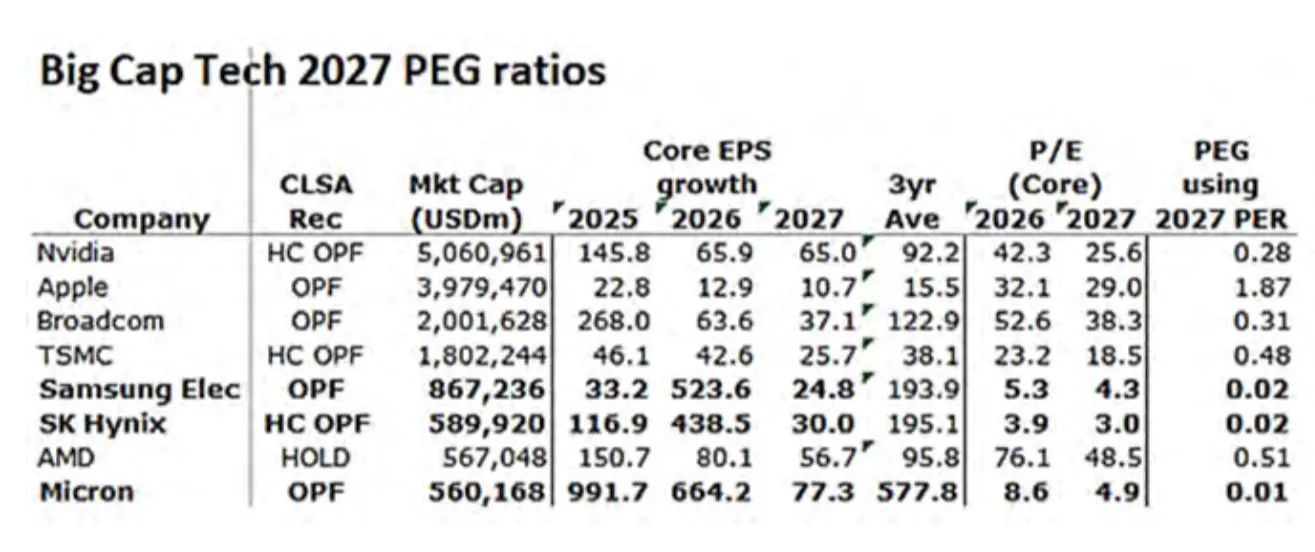
Now the dangerous part begins. Samsung workers are looking at profits exploding from tens of billions toward levels nobody imagined a few years ago and asking why shareholders alone should capture the upside from what increasingly looks like a national AI gold rush. Hynix already surrendered part of operating profits into worker bonus pools, while Samsung unions demand even more, arguing that these profits came less from genius management and more from being lucky enough to sit on the right industrial chokepoint during a global AI panic. Shareholders responded with their own protests, defending the old capitalist formula where capital receives the rewards and labor stays grateful for wage increases and suddenly Korea found itself fighting over the same question that every AI economy will face later: who owns the machine age?
The Korean government understands something markets still ignore. Once an industry becomes essential for national security, economic survival, surveillance capability, military competition and social stability, governments stop treating corporate profits as sacred territory. Oil producers learned this decades ago. Banks learned it after 2008. Defense contractors operate under this reality permanently. Semiconductors and AI infrastructure are now entering the same category, which explains why voices close to the Korean presidency suddenly floated the idea of a “citizens’ dividend,” where excess profits from the AI boom partially flow back into society through taxes or public redistribution.
That idea sounds radical only until you follow the logic to its conclusion. Taxpayers financed the schools that trained the engineers, built the ports and energy grids powering the factories, created the stability allowing Korea to dominate global exports and will eventually carry the burden if AI wipes out jobs or destabilizes economies. Governments already understand they will absorb the social fallout later, which means they increasingly want a cut during the boom phase as well. Investors keep valuing AI companies as if politics will politely stay outside the room while trillion-dollar profit pools accumulate inside a handful of corporations. History suggests the opposite outcome usually arrives.
And now the geopolitical layer becomes even darker. During the recent Trump-Xi meetings, both sides openly discussed AI “guardrails,” model controls, chip restrictions and mechanisms preventing dangerous models from falling into uncontrolled hands. That alone should tell investors where this story is heading. Washington and Beijing barely agree on trade, Taiwan or sanctions, yet both already agree that advanced AI cannot remain completely outside state supervision because whoever controls AI controls finance, cyberwarfare, information flows, labor markets, military systems and eventually political power itself.
This changes the entire investment thesis behind the AI boom. Markets still price the sector like a libertarian technology revolution where profits compound endlessly upward, while governments increasingly view AI as something closer to nuclear technology, banking infrastructure or strategic energy supply. Once that transition happens, every extraordinary profit margin attracts unions, regulators, taxes, national-security demands and political pressure to redistribute gains toward society before unrest explodes. Korea simply became the first country openly testing how fast that transformation can happen once the AI bubble grows too large for governments to ignore.