He spud in his faust
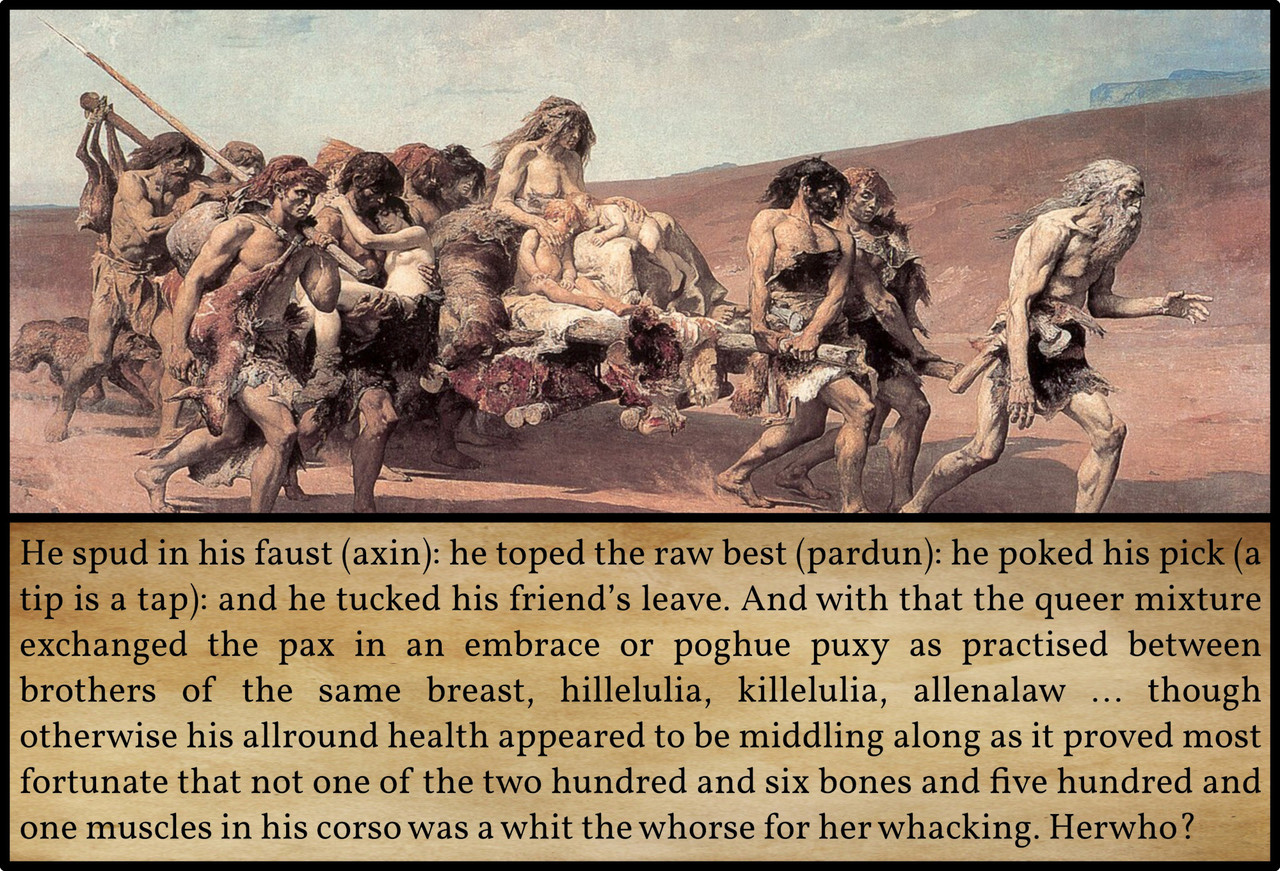
Kate’s narration of the latest assault on HCE finally comes to a conclusion, as the attacker and the attacked part company on apparently amicable terms. The former heads east with the 7/4 (88 pence) he was given to buy whiskey, while the latter reports the incident to the police and exhibits his wounds to all and sundry.
First Draft
The first draft of this passage, which was written in November 1923, followed the previous passage without a break. The latter concluded with the offer of money to buy whiskey:
At the mention of whisky the wouldbe burglar became calm and left the place while the fenderite reported the occurrence, his face being all covered with blood as a proof that he was bleeding from the nose, mouth & ears while some of his hair had been pulled off his head though otherwise his health was good enough. ―Hayman 76
By the time Joyce was through with this passage, these three or four lines of transparent English had swollen to thirty-five lines of the usual black stuff. Between the first and final drafts, there was also an intermediate version, which appeared in Number 4 of Eugene Jolas’s literary journal transition in June 1927. This draft is about twenty-three lines long:
With that the queer mixture exchanged the pax in embrace or poghue puxy as practised between brothers of the same breast, hillelulia, killelulia, and levanted off over the assback bridge with the four and seven in danegeld and his humoral hurlbat or other uncertain weapon of lignum vitæ picked up to keep some crowplucking appointment while this poor delaney, who he left along with the fender behind and who bore up wonderfully wunder all of it with a whole number of plumsized contusiums, plus alasalah bruised coccyx, all over him, reported the occurance in the best way he could, giving the military salute, in justifiable hope that some lotion or fomentation of poppyheads would be exhibited to the parts, at the nearest watchhouse in Vicar Lane, his face all covered with nonfatal mammalian blood as proofpositive of the seriousness of his character and that he was bleeding from the nostrils, lips, pavilion and palate, while some of his hairs had been pulled off his head by Colt though otherwise his allround health appeared to be middling along as it proved most fortunate that not one of the two hundred and six bones and five hundred and one muscles in his corso was a whit the whorse for the whacking. ―Jolas & Paul transition 4:52
Most of the changes made between 1923 and 1927 concerned the second half of this passage―the fate of the victim. In the early 1930s Joyce revised the transition version while finalizing Book I for Faber & Faber’s printer. This time most of the changes he made concerned the first half of this passage―the fate of the attacker.
East of Eden
The first half of this passage is full of allusions that connect HCE’s attacker with the Middle East:
turning his fez menialstrait The Menai Strait is in Wales, to the east of Ireland. The fez is a type of felt hat commonly worn in the Middle East, especially during the Ottoman Empire.
in the direction of Mosca Moscow [Russian: Москва, Moskva] lies to the east of Ireland. hurooshoos in the same line conceals the Russian: khorosho, very well, okay. When Muslims pray, they face Mecca, which also lies in the east. Islam is most closely associated with the Middle East.
mitsmillers Arabic: bismillah [بِسْمِ ٱللهِ] In the name of God. The Basmala is one of Islam’s holiest prayers. It is spoken before an action in order to bless it. It also opens each of the surahs of the Qur’an. Of course, the attacker is also pegging a few Parthian stones at his victim, as happened in previous versions of the encounter (RFW 058.10–12).
and levanted off To levant is to abscond or run away, especially to avoid paying a debt. The Levant is the Middle East.
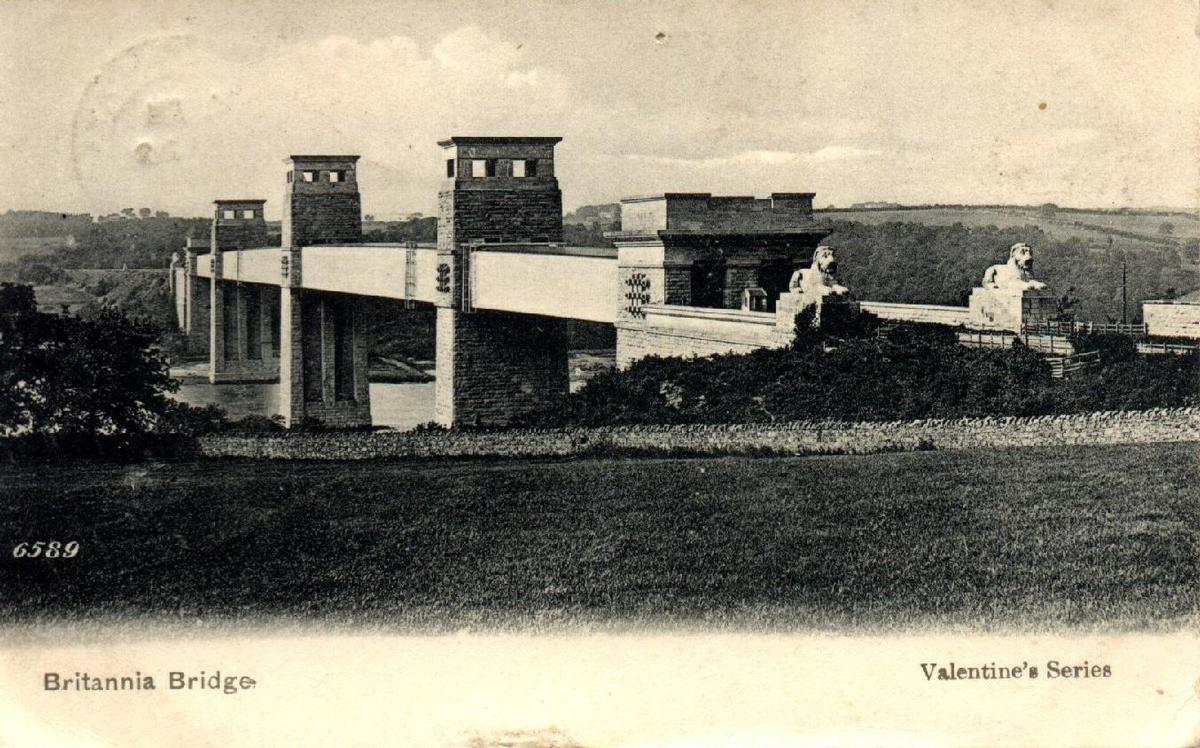
with tubular jurbulance The railway bridge over the Menai Strait was a tubular bridge. Two of Cain’s descendants were Jubal and Tubal Cain―the significance of which will be explained shortly.
lignum vitae A type of hard and durable wood from the trees of the South American genus Guaiacum. But the Latin lignum vitae means literally wood of life (so called from its medicinal uses), which brings to mind the Tree of Life in the Garden of Eden―the significance of which will also be explained shortly. The immediate allusion is to the attacker’s shillelagh, referred to earlier by the words thorntree and knobkerries.
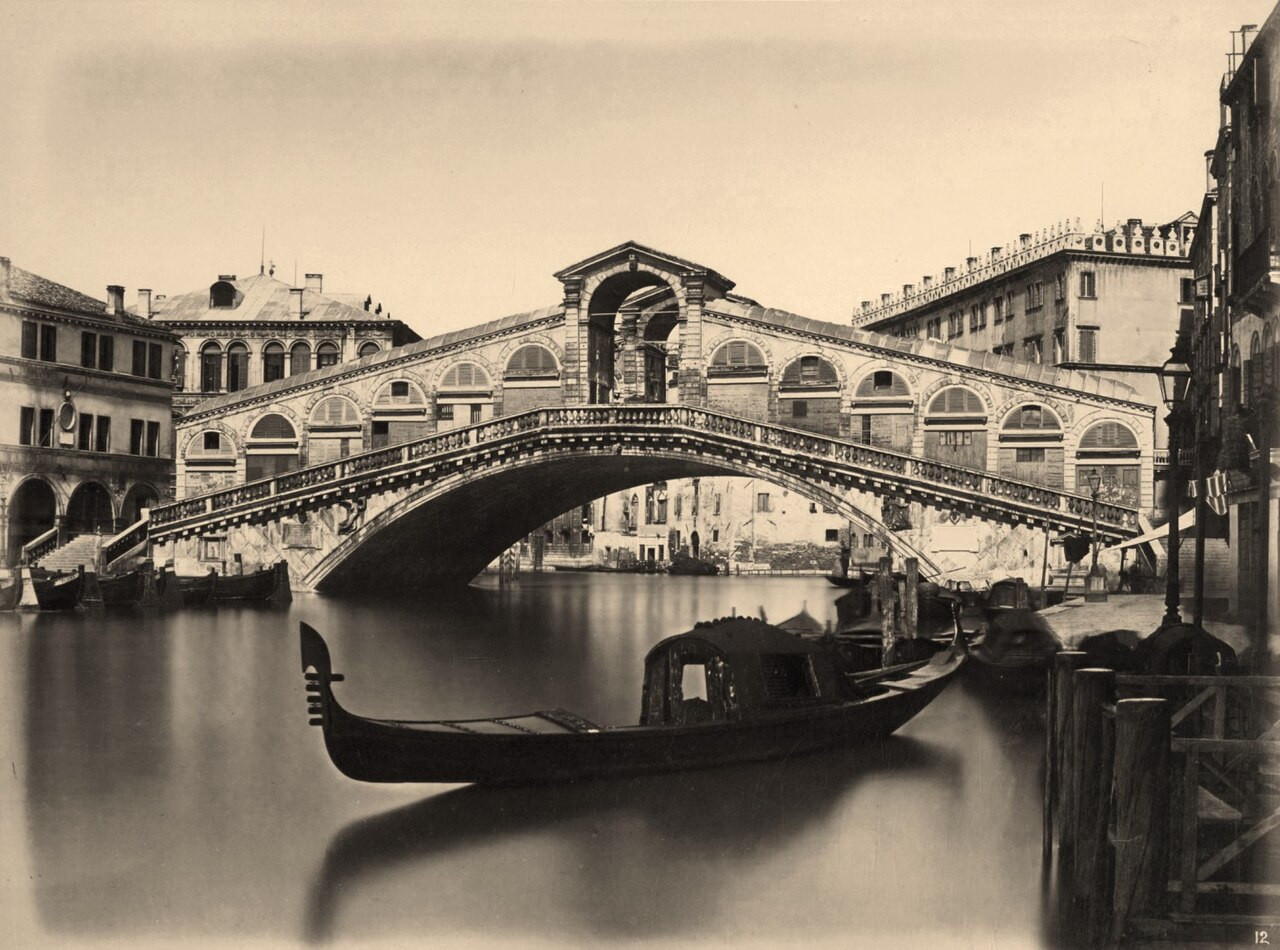
rival rialtos There is a Rialto in Dublin, but the original is a famous bridge in Venice, which lies to the east of Ireland. The word rival reminds us of the Sibling Rivalry.
alasalah bruised coccyx Arabic: alasalah, the authenticity. Arabic evokes the east, though I fail to see the relevance of either this specific Arabic word or the alphabetic sequence (a ... b ... c). Perhaps the original was a hell of a bruised coccyx. Or perhaps it means that the victim’s wounds were genuine and not feigned.
Comes the question Why all these references to the east? I believe the answer lies in Genesis. The assault on HCE also represents the Sibling Rivalry between Shem & Shaun, and one of the principal sources for this conflict is the Biblical story of Cain & Abel. After he murdered his brother, Cain was exiled to the Land of Nod, which lay to the east:
And Cain went out from the presence of the LORD, and dwelt in the land of Nod, on the east of Eden. ―Genesis 4:16 (King James Version)
Go West, Young Man
As though to balance this lean towards the east, Joyce also sprinkled this passage with numerous references to American battles:
with tubular jurbulance at a bull’s run The First Battle of Bull Run (21 July 1861) was the first major engagement of the American Civil War. The Second Battle of Bull Run was fought on the same battlefield the following year. Jubal Early took part in both battles, being the Confederate commander in the second.
between Pearidge and the Littlehorn Battle of Pea Ridge (7–8 March 1862) in the Civil War. The Battle of Little Bighorn was Custer’s Last Stand, an engagement in the Great Sioux War of 1876.
confederate The American Civil War was fought between the Union and the Confederacy.
ballsbluffed Battle of Ball’s Bluff (21 October 1861), a Confederate victory in the Civil War.
Vicar Lane Possibly alludes to Vicksburg, a major theatre in the American Civil War, but probably not. The original draft had Vicar Street, which was added in the 1920s, long before the allusions to American battles were inserted (JJDA). The only Vicar Lane I know is a street in Leeds. There is a Vicar Street in the Liberties area of Dublin (named for the vicars choral of St Patrick’s Cathedral, who once held property in this area), and a Vico Road near Dalkey, so the allusion may simply be to Vico.
Viconian Cycle
Speaking of Vico, note how this section opened with the familiar three-plus-one pattern of the Viconian Cycle:
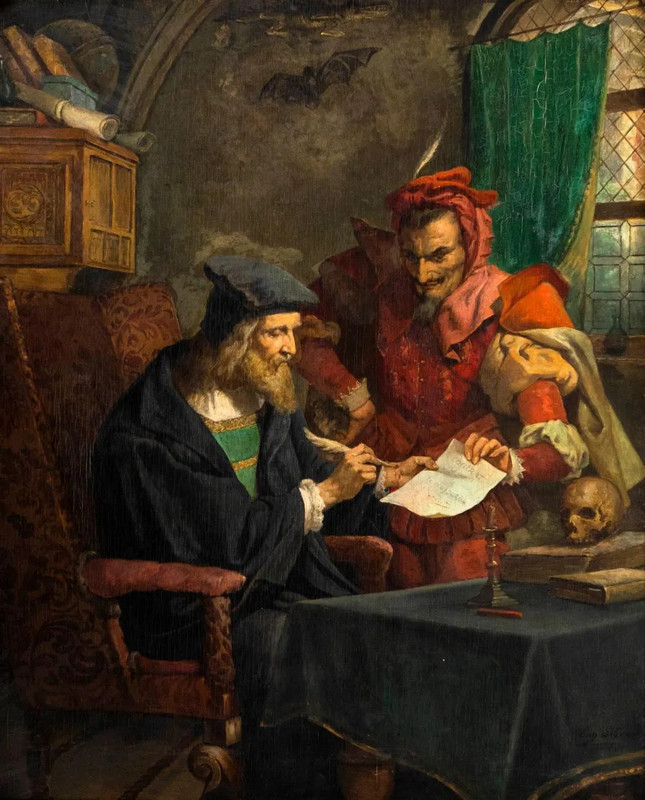
He spud in his faust (axin): he toped the raw best (pardun): he poked his pick (a tip is a tap): and he tucked his friend’s leave.
Taking French leave (absconding without permission) might be a euphemism for dying, but I don’t see how the other three clauses fit the pattern. I expect to find the institutions associated with Vico’s Three Ages: Birth, Marriage, and the Burial of the Dead.
Spitting in your fist (German: Faust) is something you do before shaking someone’s hand to conclude a deal―or a Faustian bargain. The final phrase comes from the note he tuck his friends lauves (FW VI.B.44:63d). The Irish word for hand, lámh, is pronounced lauv. Drinking (toping) is also a common way of sealing a deal. But poking someone with your pick (sexual innuendo for screwing?) or picking their pocket would seem to imply that you are swindling them.
The following lines, which speak of a queer mixture, embrace and poghue (Irish: póg = kiss), seem to confirm that some sort of homosexual encounter has taken place. This reminds us of the earlier encounter of HCE and the Cad with a Pipe, which certainly had homosexual overtones. This passage has a number of clear echoes of the Encounter with the Cad with a Pipe. For example:
toboggan poop tobacco pipe
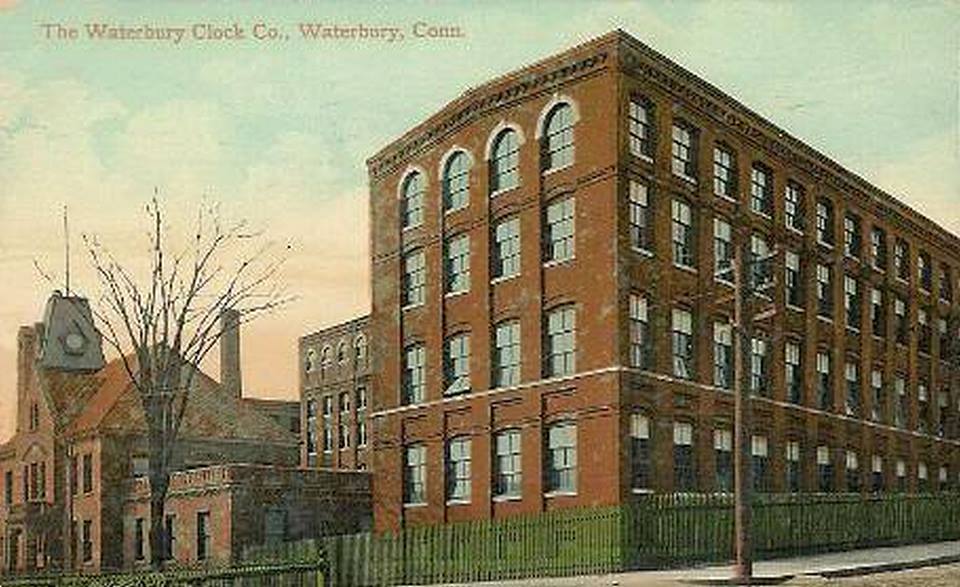
watchhouse A watchhouse is a small prison attached to a police station, usually used on a temporary basis, but this word also reminds us that the Cad asked HCE for the time. HCE consulted his waterbury (pocket watch made the Waterbury Clock Company―RFW 028.23).
FWEET reminds us that the same three-plus-one sequence is echoed twice in a later chapter, The Scene in the Public (II.3):
He spit in his faist (beggin): he tape the raw baste (paddin): he planked his pledge (as dib is a dab): and he tog his fringe sleeve (buthock, lad, fur whale). ―RFW 240.10–12
He sprit in his phiz (baccon!). He salt to their biz (pudden!). He toockled her palam (so calam is solom!). And he suked their friends’ leave (bonnick lass, fair weal!). ―RFW 281.10–12
Joyce wrote the present version between March 1937 and February 1938, when he was correcting the galleys for the final printing of Finnegans Wake. The first of the two passages that seem to echo it was actually written first, in October-November 1936. The third version was written in November 1938.
The two “echoes” have parentheses after all four clauses. This suggests that a fourth parenthetical remark has been lost in the passage we are now studying, though the James Joyce Digital Archive has no record of it in any of the earlier drafts. Ah well, sure it wouldn’t be Finnegans Wake without a few mysteries to keep the professors busy.
And that’s as good a place as any to beach the bark of our tale.
References
- David Hayman, A First-Draft Version of Finnegans Wake, University of Texas Press, Austin, Texas (1963)
- Eugene Jolas & Elliot Paul (editors), transition, Number 4, Shakespeare & Co, Paris (1927)
- James Joyce, Finnegans Wake, The Viking Press, New York (1958, 1966)
- James Joyce, James Joyce: The Complete Works, Pynch (editor), Online (2013)
- Roland McHugh, Annotations to Finnegans Wake, Third Edition, The Johns Hopkins University Press, Baltimore, Maryland (2006)
- Danis Rose, John O’Hanlon, The Restored Finnegans Wake, Penguin Classics, London (2012)
Image Credits
- Cain Flying Before Jehovah’s Curse: Fernand Cormon (artist), Musée d’Orsay, Paris, Public Domain
- Britannia Bridge: Valentine Postcard, Private Collection of Jochim Hollestelle, Public Domain
- Rialto Bridge, Venice (1875): Carlo Naya (photographer), Public Domain
- Faust and Mephistopheles: Eugène Siberdt (artist), Private Collection, Public Domain
- The Waterbury Clock Company: Anonymous Photograph, Waterbury, Connecticut, Public Domain
Useful Resources
- FWEET
- Jorn Barger: Robotwisdom
- Joyce Tools
- The James Joyce Scholars’ Collection
- James Joyce Digital Archive