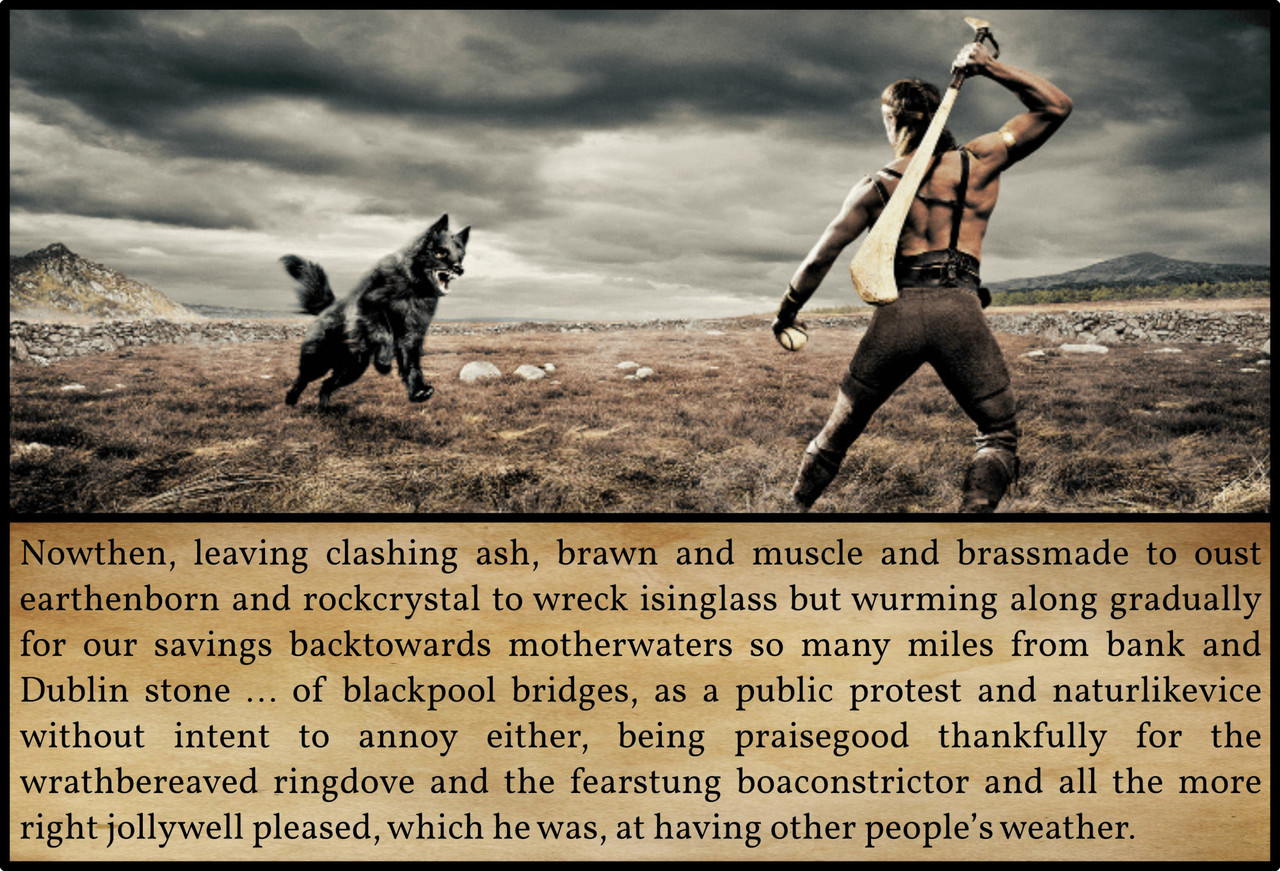
Nowthen, leaving clashing ash
Kate’s garrulous narration of the assault on HCE is rounded off with a brief coda, a single paragraph less than one page in length. In Joyce’s first draft of this passage, this coda consisted of no more than four or five lines, and was appended to Kate’s narration without a break.
First-Draft Version
As is often the case, the first draft is not only shorter than the final, published version, but also clearer. It reintroduces the mysterious fender, but otherwise it is written in good English prose:
As regards the fender the question of unlawfully obtaining is subsidiary to the far more capital point of the political bias of a person who, when mistakenly molested, was simply exercising one of the most primary liberties of the subject by walking along a public thoroughfare in broad daylight. ―Hayman 76
In July 1927 a reworked version of this simple passage was published in Eugene Jolas’s literary journal transition. This draft is only about three lines shorter than the final version:
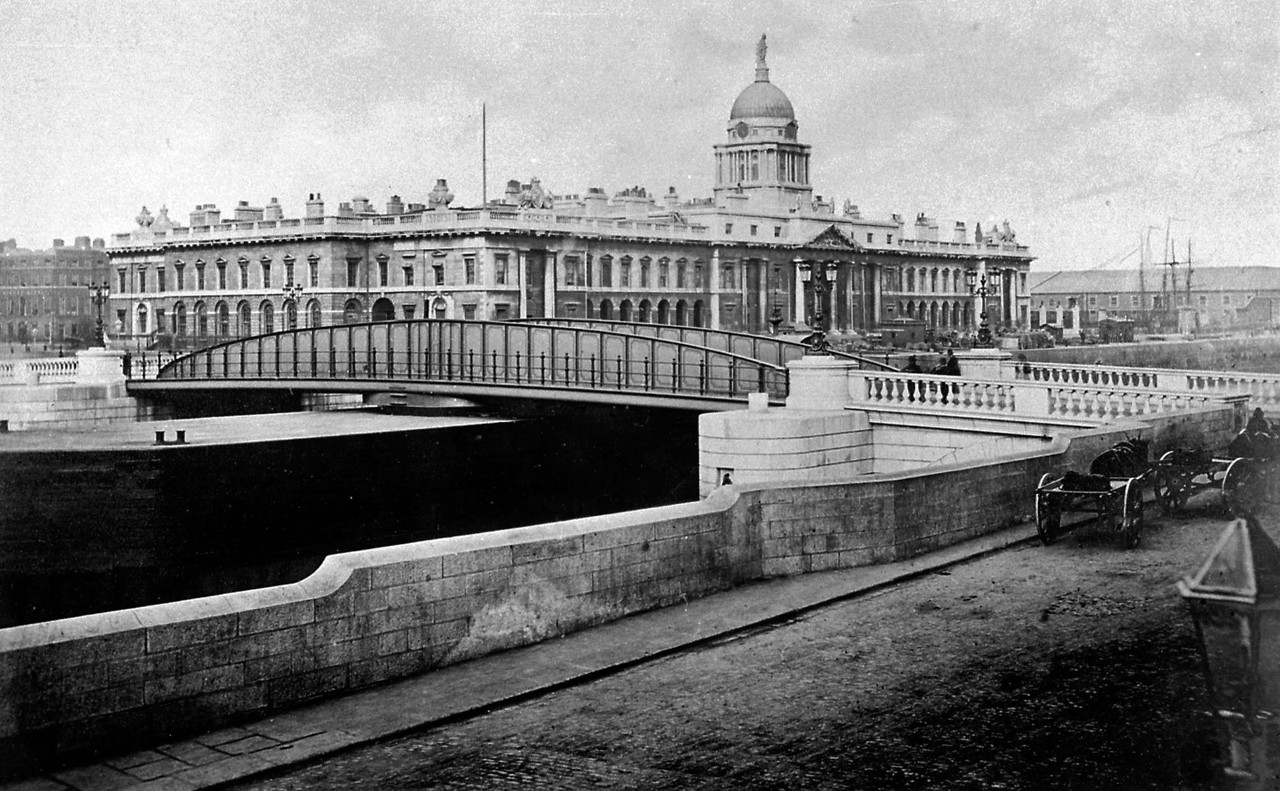
Nowthen, leaving clashing ash, brawn and muscle and brassmade to oust earthernborn and rockrystal to wreck isinglass but wurming along gradually to the question of boney’s unlawfully obtaining a pierced paraflamme and claptrap fireguard there crops out the still more salient point of the politish leanings and town pursuits of our forebeer, who, when within the black of your toenail, sir, of being mistakenly ambushed and as close as made no matter, mam, to being kayoed offhard when the hyougono heckler with the Peter the Painter wanted to hole him, was consistently practising the first of the primary liberties of the pacific subject by circulating (be British, boys, and give a chum a chance!) alongst one of our umphrohibited semitary thrufahrts, open to buggy and bike, to walk, Wellington Park road, with the curb under his auxter and his alpenstuck in his redhand, a highly commendable exercise, or, number two of our acta legitima plebeia, on the brink (beware to baulk a man at his will!) of taking place upon a public seat, to what, bare by Butt’s, most easterly of blackpool bridges, as a public protest and naturlikevice, without intent to annoy either, being praisegood thankfully for the wrathbereaved ringdove and the fearstung boaconstrictor and all the more right jollywell pleased, which he was, at having other people’s weather. ―Jolas & Paul transition 4:53
The additional details have slightly altered the gist of the passage. John Gordon sums it us as follows:
After this, HCE continues tracing back in his memory, to the subject of ‘our forebeer’, who is depicted first as thwarted invader/exile with ship stuck in harbour or lost at sea (also, again as letter, stuck in ‘the bottol’ in the river), being ambushed by natives, then as back in that privy, ‘upon a public seat’, where it all began. ―Gordon 139
William York Tindall has a slightly different take:
Now another version of the story: our “forebeer,” having been almost “mistakenly ambushed” in the Park, goes, like Parnell’s Butt, to sit on Butt Bridge to think things over. It must have been as clear to him as it is to us that “little headway, if any, was made in solving the wasnottobe crime cunundrum” (84.36-85.22). Who is who and who does what, if anything, to whom, remain puzzling questions. ―Tindall 87
In their Chicken Guide to Finnegans Wake, Danis Rose & John O’Hanlon offer little beyond a précis of Joyce’s text:
To revert to our story, as regards the firearm or worm the question of how it came into the possession of ‘boney’, or whoever it was, is secondary to the more salient point of the political bias―Whig? Tory? Anarchist? Marxist?―of a person who, when simply exercising one of the primary liberties of a citizen by strolling along a public thoroughfare with a parcel under his arm and a cane in his hand and just about to take a seat upon a public bench, without intent to hurt a fly and being thankful for the glorious weather, came within an aim’s ace of being mistakenly ambushed and blasted into eternity by some heckler with a handgun. ―JJDA
Joseph Campbell & Henry Morton Robinson also do little more than summarize:
Now then, worming along gradually in our search for further evidence, we come to the problem of the political leanings and town pursuits of our forebear: (85) (1) As to his Pacific pursuits—(a) he was given to walking or circulating along the public thoroughfares; (b) when mistakenly ambushed, he had been on the brink of taking place upon a public seat by Butt’s Bridge, without intent to annoy. ―Campbell & Robinson 84
The following paragraph will take up his Atlantic pursuits.
The Connacht Tribune and Tuam News
As we have seen, Kate’s account of the assault was coloured by a number of true crime stories that Joyce read in one of his favourite newspapers, The Connacht Tribune and Tuam News. The present paragraph draws upon yet another such report, dated 20 October 1923. This story, which involves a dispute between Pat O’Donnell and a local family known as the Kings, segues neatly into the next section of this chapter, where it will take centre stage. The account is long and involved, but as the archives of The Connacht Tribune are hidden behind I paywall, which I have paid to circumvent, I will share the whole thing here:
FAIR DAY FIGHTS
Comedy and Tragedy at Clifden Sessions.
AMERICAN’S ACTION.
Story of Threatening Letters.
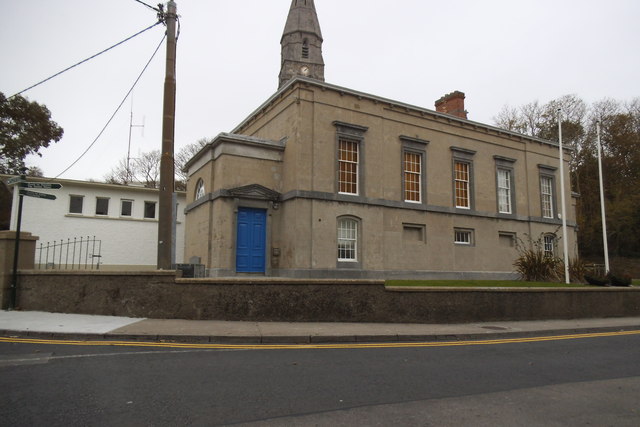
D.J.’s Decision AlteredHis honour Judge Doyle, K.C., opened the business of the Michaelmas Quarter Sessions at the courthouse, Clifden, on Thursday, 11th inst., at twelve o’clock.
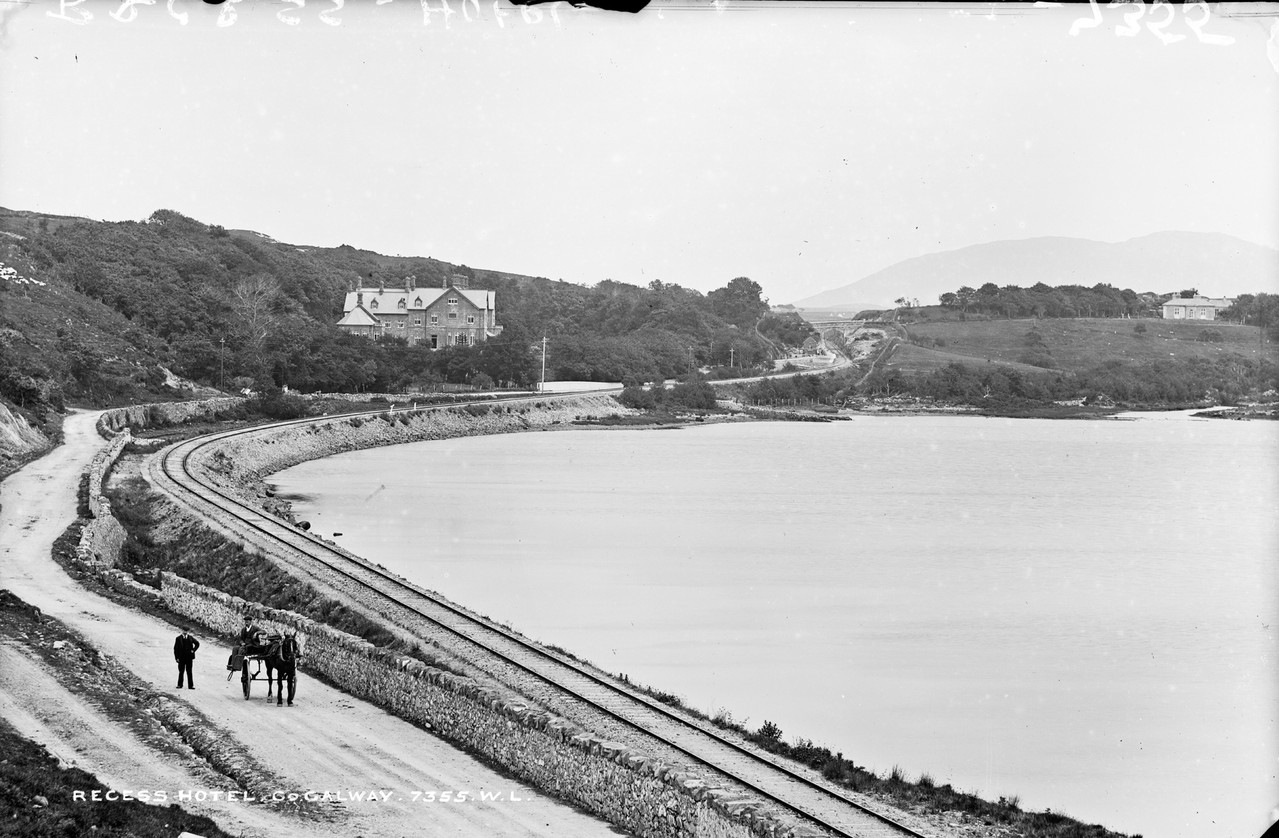
Patrick Naughton applied to have his hotel licence confirmed in respect of the premises situate at Recess.―Mr. P. S. Golding represented Mr. Naughton, and Mr. H. G. Connolly, solr., Clifden, opposed the confirmation of the licence on behalf of Mr. Joyce and Mr. John O’Loughlin, Cashel, hotel proprietor.―After hearing a legal argument between Mr. Golding and Mr Connolly, solrs., his honor examined Miss Naughton, proprietress of the Ivy Hotel, Recess. She produced the visitors’ signature book.―His honor spoke of the desirability of having a licensed hotel in that centre of the district, stating that he had no hesitation in confirming the licence hitherto granted without any opposition.
Patrick McInerney, publican, Clifden, appealed against the decision of Mr. Sean Ford, D J., in fining him 5s. and costs in April last for having on his premises two soldiers after prohibited hours.―Mr. Connolly appeared for the appellant, and Mr R. J. Kelly, State solicitor, for an Saorstat [the Irish Free State].―Mr. Connolly read out the sections of the Act dealing with such cases, and after a long legal argument between both solicitors, his honor dismissed the case.
D. J. O’Dowd, secretary, Oughterard Co-operative Stores, Ltd., had forty-eight processes issued. Most of these were marked “settled.”―Mr. L. E. O’Dea, solr., represented the Co-operative Stores.
APPEAL AGAINST DISTRICT JUSTICE’S DECISION.
Pat O’Donnell appealed against the decision of the district justice in sentencing him to two months’ imprisonment for alleged assault on Stephen King and Nora King, his daughter, at the fair of Cashel on 6th April, both sentences of two months to run consecutively.―Mr. T. F. Ward, B.L. (instructed by Mr. B. E. Lee), appeared for the appellant, and Mr. H. G. Connolly, solr., Clifden, defended on behalf of the Kings. The hearing of the case occupied all the afternoon of Thursday and a good part of Friday.Norah King, in her evidence, stated that she helped to have her father dressed after he being assaulted by Pat O’Donnell, who beat her also, with a blackthorn stick. He knocked her down and beat her, and she bled a good deal from the wounds. She was conveyed home in a car, and was subsequently attended by Dr O’Regan.―Answering his honor, Miss King said that she did not give any provocation to O’Donnell. A witness named John Walsh did not attend, although he was subpœnaed. His mother said that she would split him with the tongs if he would accept the subpœna.
Cross-examined by Mr. Ward: Before you were assaulted by O’Donnell, did you strike him with a stone on the cheek?―No. He made a blow at me from the car and followed me.―Mr. Ward: Did you pick up a stone?―I. picked up a small stone.―His honor: What did you do with it?―I fired it at him, your honor.―Mr. Ward: You had a good shot?―I had not.―Didn’t you strike O’Donnell on the ear with it?―I only threw it. I could not say whether I hit him.―Did a lady named Katie Burke also take up a stone and strike him with it out of her hand?―She did not.―This was a fair day?―Yes.―A good crowd were looking on?―Yes.―His honor: Is Katie Burke here?―Witness: No. Her mother is sick.―Mr. Ward: Were you as badly beaten as your father?―I was.―To his honor: The car was moving when I at first saw him. He came along and struck me off the car, and followed me up and struck me again. That was the time I threw the stone, and I cannot say if I struck him. He called me most filthy names.
Dr. O’Regan stated that Miss Norah King had lacerated wounds which had become septic. She complained of other wounds on the body. It was on the crown of the scalp she had the most dangerous wound. It would cause considerable force to inflict the wounds.―Answering Mr. Ward, Dr. O’Regan said that the lady was as injured as her father.―Mr. Ward: If her wounds were attended to at once, in your opinion, would they become septic?―The doctor: Probably not. He did not treat for any abyses [sic] at any previous date.
Festy King said that he went to John Walsh’s and handed him a test [??]. He at first took the test, but subsequently handed it back to witness, telling him to keep it for him as there was no pocket in his britches (laughter). He (witness) then stopped in the house that night, and when Walsh’s mother found out that her son was subpœnaed she told him that if he went to give evidence in the case, she would not allow him inside the door, and threatened him with the tongs.
John Kearney deposed that he was at the fair of Cashel on the day in question. Pat O’Donnell was passing down the street on his car, and as he was passing Norah King picked up a stone and struck him on the cheek. He then jumped off the car and struck Miss King.―Answering Mr. Connolly, witness said that he saw blood on O’Donnell. O’Donnell struck her with the blackthorn stick he had in his hand.
Mr. Ward, in addressing his honor, said that this particular day was a fair day at Cashel, Connemara. The alleged assault was supposed to be committed in a crowded thoroughfare, and notwithstanding that there was a crowd present, these parties had not one individual to corroborate their evidence. It was curious that John Walsh was not allowed to give evidence by his mother, and Katie Burke also was supposed to be prevented by her own mother. Under the circumstances, he would ask for a reverse of the decision of the court below.
Mr. Connolly, in his address, reminded his honor of the wounds inflicted on these parties on this fair day at Cashel without any provocation, and they had the doctor’s evidence on the nature of the wounds, which were serious, and he asked his honor to have the decision of the district justice confirmed.
His honor said that the two months’ imprisonment in each case to run consecutively was disproportionate. He was reversing the decision of the district justice, and, in the alternative, he was imposing a fine of £5 in each case instead of the imprisonment.
REMITTED ACTION.
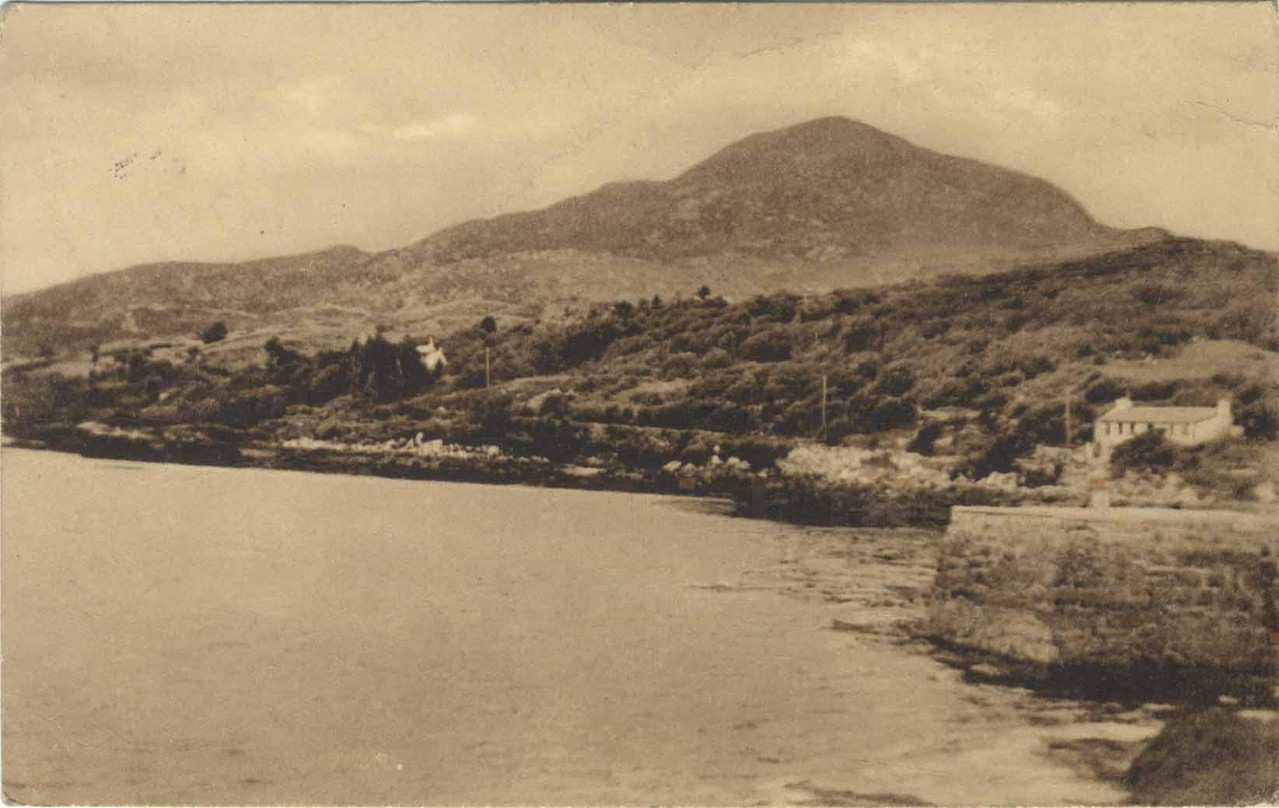
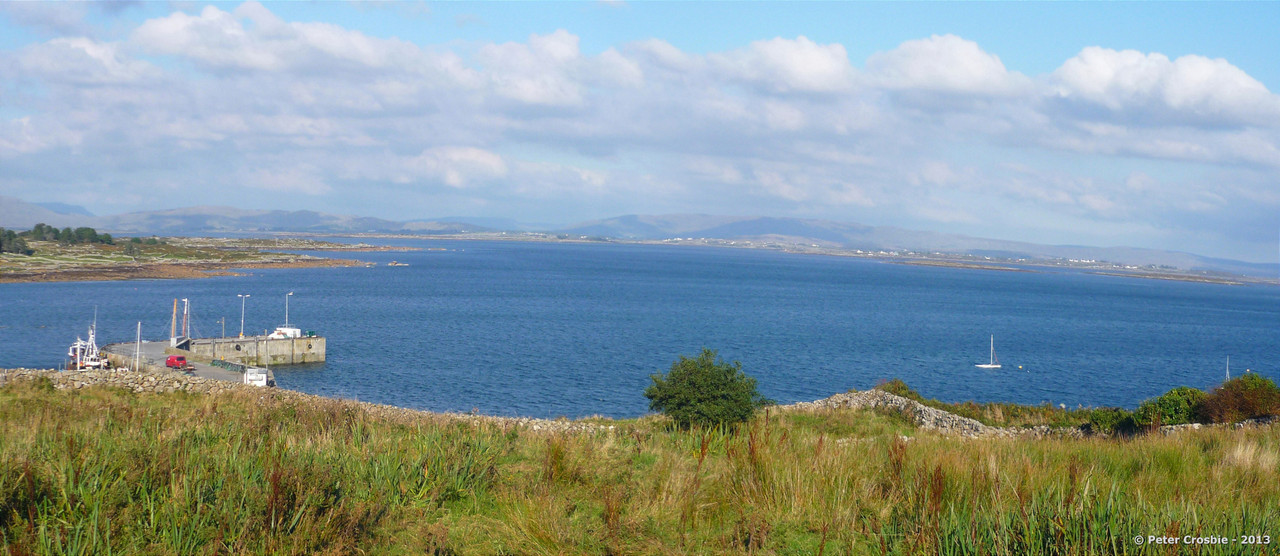
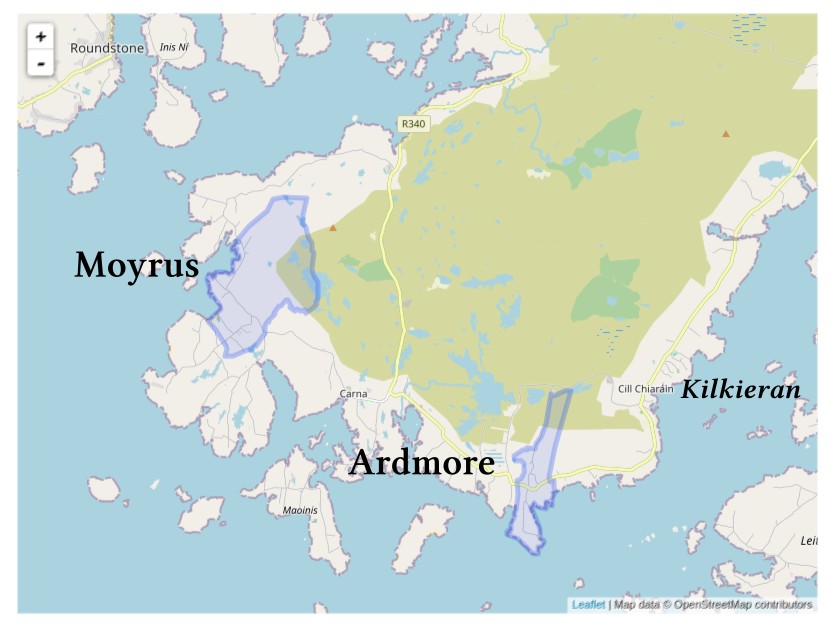
Pat O’Donnell brought a remitted action against four men named Peter Naughton, Simon King, Festy King, senr., and Festy King, junr., for assaulting him, charging him with impounding their sheep, and for calling him an idiot’s son, on December 6. ―Mr. T. F. Ward, B.L., (instructed by Mr. B. E. Lee), represented O’Donnell, and Mr. H. Connolly appeared for the Kings.The plaintiff stated that on 6th December last he was at the fair of Kilkerrin. These men beat him. The blows blinded him and he could not see the people who struck him. He was struck in rapid succession on the head. Peter Naughton said to plaintiff, “It is with Peter Naughton, of Ardmore, you are dealing now, and not with Festus King, of Mirus.” Naughton had a stick, and Festus King had a stick and stones, and said that he was an idiot’s son. Festy struck him with a stone. Then the armed men came along and fired a shot over his (plaintiff’s) head. He (plaintiff) was then arrested by the so-called Republican military and subsequently released. He was attended by Dr. O’Regan.
Cross-examined by Mr. Connolly: I returned from America in 1920. There was as altercation between King and myself.―Who struck the first blow that, day?―I could not tell.―Did Simon King do anything to you?―I did not see him. I was blinded with blows.―Were you assaulted by the Irregular soldiers?―I was not.―Did you get rifle blows from them?―I did not,―Mr. Connolly: Why were you arrested?―By private influence, or because I was an active Free Stater.―Are you not a leader out in that part of the world?―No.―Don’t you speech from the platforms there?―I am interested in the Farmers’ Union. I supported them, and did not speech from any other platform, nor am I linked with any other association except the Farmers’ Union on whose behalf I spoke.―Did you not speech from all the platforms there? (laughter).―I did not.―Were you subsequently arrested by the military?―Yes.―Was not there an alleged attack on Naughton’s house last week?―Yes.―Is that charge pending against you at the Galway criminal court?―Yes.―Answering Mr. Ward, plaintiff said that he was an American citizen, and he thought the American Government would take up the matter on his behalf, but they did not, that being the reason he delayed in bringing this action.
Anne O’Donnell deposed that she was at the Kilkerrin fair on the day mentioned. She saw P. Naughton strike Pat O’Donnell on the head. She saw Simon King strike him on the head also. Festy King struck him with a stone on the back. They called his mother a drunkard and called himself a son of an idiot. She saw soldiers of the Irregular army coming and pointing the gun at him, and they placed him under arrest and fired a shot over his head.―To Mr. Connolly: I am not on speaking terms with Naughton since May last.―Mr. Connolly: Did you ever hear of Naughton doing anything out of the way before?―I did.―What was it?―He chased a woman one time into her own house (laughter).
Kerrin Mulkerrin described the row in similar terms.―Mr. Connolly: Is not Naughton’s wife afraid of the Burkes?―Yes.―And is not one of the Burkes charged with the murder of your brother?―He is.
Peter Keely also gave evidence.
Dr. O’Regan gave evidence as to the nature of the wounds on the plaintiff which were serious. Though his condition was abnormal, he was not able to work. Some of the wounds were two inches long on his scalp.
The plaintiff, recalled, said that since he came from America he was subjected to a good deal of hostility, and got threatening letters from the Irregulars, and he was also informed that he was under sentence to be shot in three months.
THE DEFENCE
Mr. Pat King, answering Mr. Connolly, said he lived at Myrus, He remembered the fair day at Kilkerrin. He met Festy King, senr., and Festy King, junr. While he was talking to them he heard a shot and saw O’Donnell arrested.―Cross-examined by Mr. Ward: Did you hear that Festy King was arrested?―I did.―Did you hear for what reason?―No.―Is it not a wonder you did not find out or look after your uncle?―I had a bullock to look after (laughter).Festy King deposed that he saw O’Donnell arrested. He gave terrible abuse to the soldiers.―Mr. Ward: Did you fire a stone on the occasion?―I did not.―On your oath, did you not strike O’Donnell with a stone?―On my oath, before God and his honor, I did not fire a stone either before or after I was born up to this day (laughter).―Had you a grudge against O’Donnell on this day at Kilkerrin fair?―I had not.―Were you displeased that he impounded your sheep?―I was more or less.―Who did you hear the skirmishes were between?―No answer.―Mr. Ward: Has your son anything in the world except the clothes he stands up in?―Well, if he was going to get the woman and settle down, I would give him a few head of cattle (laughter).―If he was going to be decreed, would you give him a few head of cattle?―Well, sir, that is another day’s work (laughter).―Are all the witnesses swearing untruths when they say you threw stone?―Yes, they are. I never threw a stone either before or after being baptised.―His honor: I will not have any more of this sort of evidence. It does not impress me.
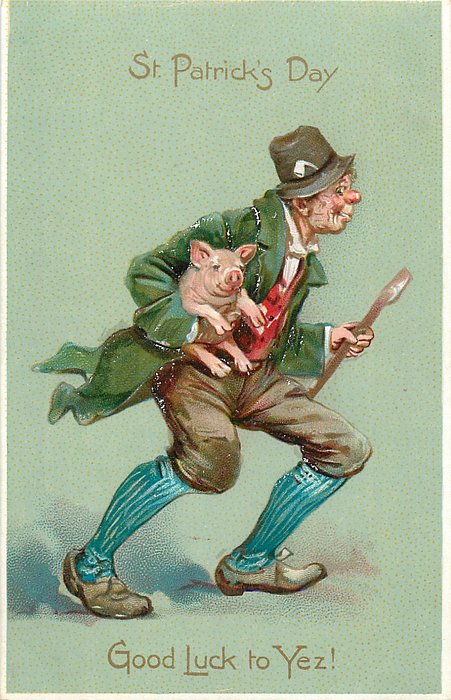
James Lyden gave evidence that King was holding a pig and did not hit O’Donnell.
Simon King stated that he was at the fair. He did not see O’Donnell until he felt him at first. O’Donnell hit him on the head and he hit O’Donnell back. The military came then and took O’Donnell away and beat him with their rifles.
Peter Naughton deposed that he was at the fair. He saw Pat O’Donnell beating Simon King. He came to his assistance, and the Volunteers then came and arrested O’Donnell.―To Mr. Ward: He was not great with Anne O’Donnell since last June (laughter).―Mr. Ward: Had you a stick at the fair?―No, I had a little rod.―Did you use this little rod?―I did not.
Martin Walsh gave corroborative. evidence.
Barbara Feeney deposed that she lived at Rusheeney. She was positive that Anne O’Donnell was not at the fair on that day.―His honor: How do you know it?―Witness: Because I bought a bottle of poteen from her on the same day (laughter).―His honor: Did you drink it with her?―Witness: No, your honor.
Mrs. Naughton swore that she was at the fair with a pig. She saw O’Donnell beat Simon King. Peter Naughton came to his assistance.
Festy King, senr, was recalled and closely examined by his honor, after which his honor remarked, that this witness’s last evidence differed from his first direct statement, and he was largely deciding the case on his contradictory evidence. He would give a decree for £10 and costs.
Michael Connolly, Roundstone, had a number of people up for shop goods.―In the case of a man named John Toole, when his honor examined the books, he announced that the amount came within the Statute of Limitations, it being six years and six months since the last payment was made.―“Long life to your honor” was the defendant’s reply when the judge announced his decision as a dismiss.
―The Connacht Tribune and Tuam News Saturday 20 October 1923, Page 7, Columns 4–5
Make of that farrago what you will.
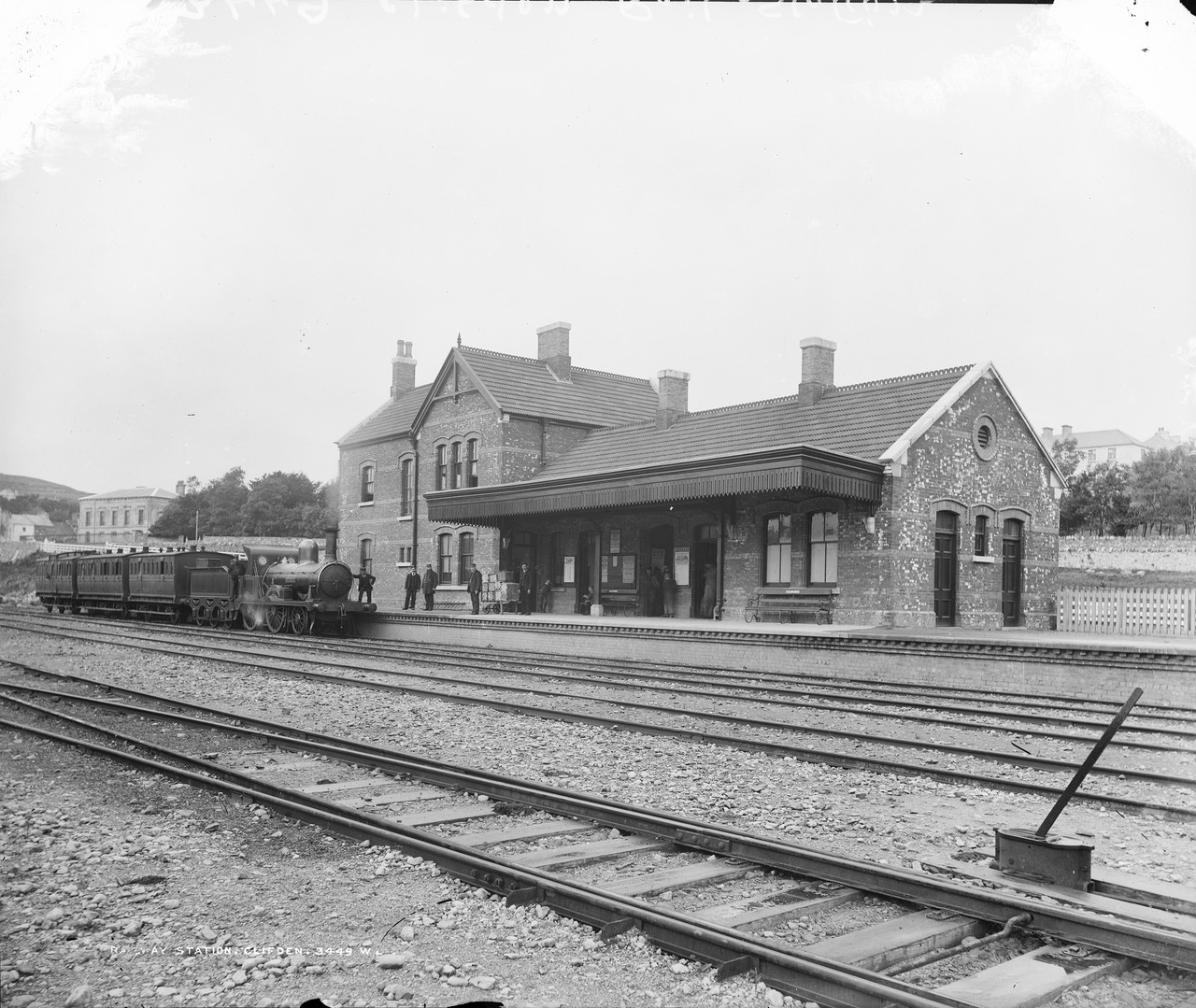
wurming along gradually
Throughout this episode we have been given repeated hints that a tram journey is in progress. In The Role of Thunder in Finnegans Wake, Eric McLuhan investigates the relevance of this to the fourth of the Wake’s hundred-letter thunderwords, which will resound in about four pages’ time. He discerns an important social dimension to this motif of public transport:
Simply put, thunder 4 presents the development of modes of transportation, represented by the road and the railroad, and their effect on accelerating agricultural and rural economy. The pattern of small-scale dairy-orchards amid kitchen gardens, calculated to serve small village communities and individual families, is completely re-formed by the high-speed railroad. Those communities have a human, ‛family-like’ dimension, whereas the large and distant markets the railroad makes accessible to the countryside are detached and impersonal. The land that surrounded and was ploughed by the community (symbolic intercourse) is now rutted and ploughed impersonally and by complete strangers. This process is dramatized as prostitution. Large-scale animal breeding (prostitution) and slaughter (murder) occur equally impersonally. The whole is presented as a blight or social disease―a thundering dose of clap―that has infected the more human-scale village pattern. The ‛horse-race’ of thunder 3 is extended here to accommodate the iron horse, or Eireann horse, running on a track of its own. At the same time, competition among the several prostitutes in and for the attentions of the stock-marketplace becomes a whores’ race. ―McLuhan 95
As McLuhan points out, this motif makes its first appearance in this chapter with the introduction of Kate Strong, and continues to crop up over the following pages:
... there being no macadamised sidetracks on those old nekropolitan nights barring a footbatter ...
Some of these allusions suggest that a race is in progress, such as the references to the milestones in the Phoenix Park, which were installed for the 1929 Irish Grand Prix, or the explicit phrase
... than there where ructions ended, than here where race began ... (this phrase also takes us back to the Garden of Eden and the beginning of the human race)
The last paragraph referred to the tubular railway bridge over the Menai Strait in Anglesey, and McLuhan interprets HCE’s stuttering Woowwo as a train whistle. In the present paragraph we have more of the same:
wurming along gradually for our savings backtowards motherwaters so many miles from bank and Dublin stone ... circulating ... alongst one of our umphrohibited semitary thrufahrts, open to buggy and bike, to walk, Wellington Park Road
Roads, bridges and various forms of public transport will continue to crop up as we proceed through the remainder of this chapter.
.jpg)
Loose Ends
the politish leanings of our forebeer El Don de Dunelli This obviously alludes to Pat O’Donnell from the story in The Connacht Tribune. There is also the Italian Dialect el don de dunele = the gift of women : a Don Juan. Dunelli was the stage name given to a bass singer at the Theatre Royal in Dublin whose real name was Dunn. I don’t know if he ever played the title role in Mozart’s Don Giovanni. He is mentioned as playing Don Apostolo Gazella in Donizetti’s Lucrezia Borgia in the Annals of the Theatre Royal, Dublin (Levey & O’Rorke 174). Note that Mr H G Connolly, attorney for the Kings, was particularly interested in the political (German: politisch) leanings of Pat O’Donnell.
clashing ash, brawn and muscle and brassmade to oust earthernborn and rockcrystal to wreck isinglass The conflict between HCE and the Cad is recast as the sibling rivalry between HCE’s son’s Shem & Shaun. These two are often depicted as tree & stone, which can be conjoined to gives us the oedipal figure Tristan (ie Treestone). Here the ash tree represents Shem and the rockcrystal Shaun. In Ireland the clash of the ash refers to the sport of hurling, as hurley sticks are traditionally made of ash. This continues the theme of depicting the conflict as a sporting contest. Note the subsequent reference to the four-year cycle of the Olympic Games (olympiading). Ireland’s equivalent, the Tailteann Games, were alluded to on the previous page. Also kayoed (K.O.’ed = knocked out) is a technical term in boxing.
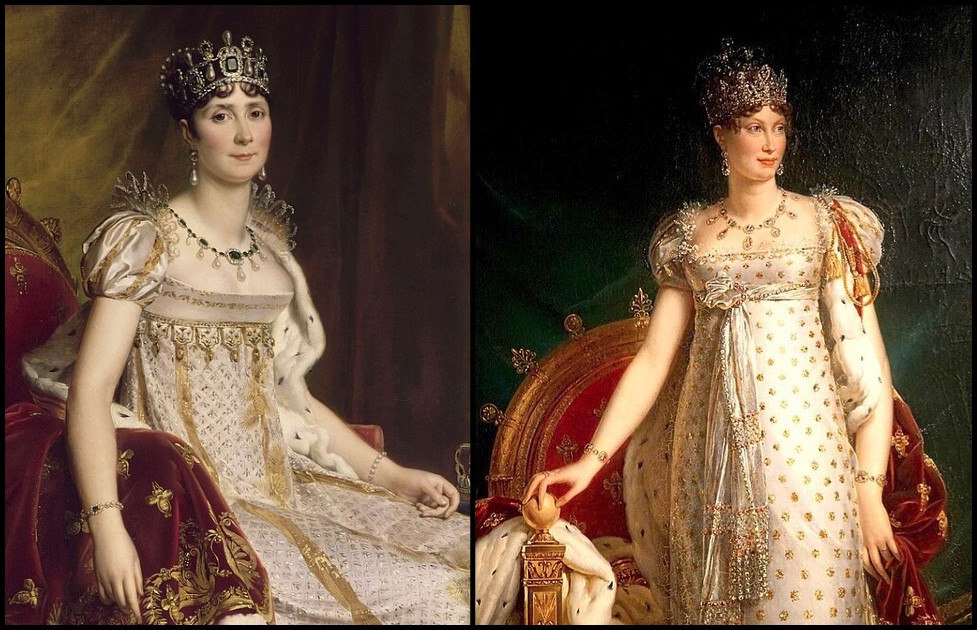
the question of boney’s unlawfully obtaining a pierced paraflamme and claptrap fireguard In Italian parafuoco = fender or fire-guard. In I.2, HCE’s roadside encounter with the king―the zeroth iteration of the assault, if the subsequent encounter with the Cad in the Phoenix Park is to be counted as the first―was followed by a scene in which HCE attended a performance of William Gorman Wills’ melodrama A Royal Divorce at the Gaiety Theatre (RFW 026.01 ff). The subject of the play was Napoleon’s divorce from Joséphine de Beauharnais so that he could marry Marie Louise, Duchess of Parma. Joséphine’s inability to provide Napoleon with an heir was the reason for the divorce, which could cast some light on the mention of a claptrap fireguard. Although the divorce was legal under civil law, it was not recognized by the Catholic Church. In Finnegans Wake the two women represent the principal personalities of Issy―who is alluded to below as raven & dove (wrathbereaved ringdove). The phrase pierced paraflamme makes it sound as though Marie Louise was no longer a virgin when she married Napoleon, but we are assured that her parents went to great lengths to ensure that she remained chaste and unsullied in order to maximize her value as a marriage asset. She was only 18 at the time of her marriage. The use of the Italian word parafuoco may reflect the fact that the Viennese-born Marie Louise was Duchess of Parma, a title she inherited in 1814, four years after her marriage to Napoleon. Or perhaps I am reading too much into this passage, and it actually has nothing to do with Napoleon’s Royal Divorce.
That boney refers to Bonaparte is confirmed by the later mention of Wellington Park Road. There is a Wellington Road in Dublin and there was once a Wellington Park, as Louis O Mink notes:
WELLINGTON ROAD (17/32). Res[idential] st[reet], SE Dub[lin], btw[ee]n Clyde Rd and Pembroke Rd; just NW of Herbert Park. W[ellington] Park was, around 1900, a terr[ace] at the E end of Adelaide Rd. ―Louis O Mink, A Finnegans Wake Gazetteer 536
When I looked up Wellington Park in my 1903 edition of Thom’s Dublin Directory, I was directed to see Adelaide Road.
number two This brings us back to the Museyroom, the privy or outhouse behind HCE’s tavern, where he is taking a number two. As Gordon noted, bare by Butt’s depicts him sitting his bare butt down, though now the privy has become a very public seat on Butt Bridge. Just as HCE’s dirty linen will be washed in public in I.8, so his private ablutions are now open to public scrutiny. Later, in II.3, the Russian General will also defecate in public.
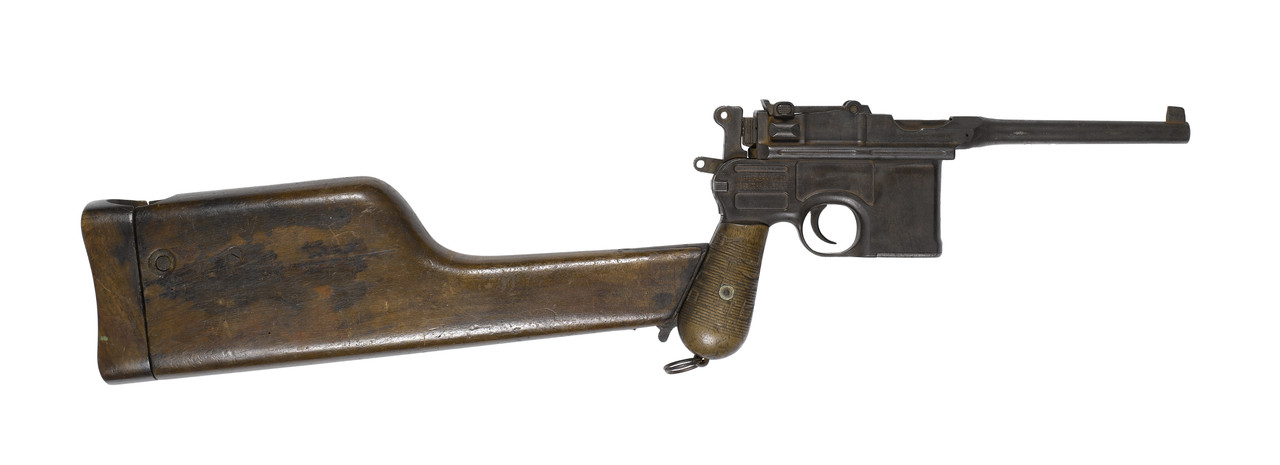
when the hyougono heckler with the Peter the Painter wanted to hole him The Huguenots were French Calvinists, many of whom settled in Ireland in the late 17th and early 18th centuries to escape the religious persecution of Louis XIV. Peter the Painter was, allegedly, the pseudonym of Jānis Žāklis, a Latvian anarchist, who masqueraded as a house painter in London while leading a gang whose criminal activities funded anti-Tsarist revolutionaries back in the Russian Empire. A botched burglary in January 1911 that resulted in the deaths of three policemen led to the siege of their safe house in Stepney. Peter the Painter is believed to have been present during the so-called Siege of Sidney Street. Two of his fellow-anarchists died when the house burned down following a lengthy shootout with the police, but Peter escaped―if he was ever there. He was never captured, or even heard from again, which only served to cement his reputation as a semi-mythical folk-hero:
In popular lore and certain anarchist narratives, Peter the Painter emerged as a legendary figure of resistance, portrayed as a skilled artist-turned-revolutionary who orchestrated daring escapes and stood defiantly against state authority during the Sidney Street Siege on January 3, 1911. His supposed miraculous evasion from the burning building fueled myths of heroic ingenuity, with the persona inspiring cultural echoes such as the naming of a pistol type after him by Irish insurgents and cementing his status as an East End anti-hero symbolizing unyielding opposition to oppression. ―Grokipedia
The type of gun which Peter the Painter allegedly used at Sidney Street has been identified as a German Mauser C96 pistol. Its nickname was in vogue in Ireland during the War of Independence (1919–21) and later.
chuck a chum a chance! The Chums of Chance in Thomas Pynchon’s novel Against the Day took their name from this phrase.
And that’s as good a place as any to beach the bark of our tale.
References
- Joseph Campbell, Henry Morton Robinson, A Skeleton Key to Finnegans Wake, Harcourt, Brace and Company, New York (1944)
- John Gordon, Finnegans Wake: A Plot Summary, Syracuse University Press, Syracuse, New York (1986)
- David Hayman, A First-Draft Version of Finnegans Wake, University of Texas Press, Austin, Texas (1963)
- Eugene Jolas & Elliot Paul (editors), transition, Number 4, Shakespeare & Co, Paris (1927)
- James Joyce, Finnegans Wake, The Viking Press, New York (1958, 1966)
- James Joyce, James Joyce: The Complete Works, Pynch (editor), Online (2013)
- Richard Michael Levey, J O’Rorke, Annals of the Theatre Royal, Dublin, Joseph Dollard, Dublin (1880)
- Roland McHugh, Annotations to Finnegans Wake, Third Edition, The Johns Hopkins University Press, Baltimore, Maryland (2006)
- Eric McLuhan, The Role of Thunder in Finnegans Wake, University of Toronto Press, Toronto (1997)
- Danis Rose, John O’Hanlon, The Restored Finnegans Wake, Penguin Classics, London (2012)
- William York Tindall, A Reader’s Guide to Finnegans Wake, Farrar, Straus and Giroux, New York (1969)
Image Credits
- Setanta and the Hound of Culann: © Guinness, Irish international Advertising Agency, Fair Use
- Butt Bridge, Dublin, in the 1880’s: Anonymous Photograph, Public Domain
- The Hotel at Recess, County Galway: Robert French (photographer), Lawrence Photograph Collection, National Library of Ireland, Public Domain
- Cashel, County Galway (1935): Anonymous Photograph, The Irish Historical Picture Archive, Public Domain
- Clifden Courthouse, County Galway: © Mac McCarron (photographer), Geograph Ireland, Creative Commons License
- Kilkieran, County Galway: © Peter Crosbie (photographer), Fair Use
- Ardmore and Moyrus Townlands: © OpenStreetMap Contributors, Open Data Commons Open Database License
- Irishman Holding a Pig: St Patrick's Day Postcard, Raphael Tuck & Sons, Series No 106, Public Domain
- Clifden Railway Station: Robert French (photographer), The Lawrence Photograph Collection, National Library of Ireland, Public Domain
- Theatre Royal: Anonymous Photograph, National Library of Ireland, Public Domain
- Joséphine de Beauharnais: François Gérard (artist), Museum of Napoleon I, Château de Fontainebleau, Fontainebleau, Public Domain
- Marie Louise Duchess of Parma: Jean-Baptiste Paulin Guérin (artist), Copied from François Gérard’s Portrait, Château de Versailles, Versailles, Public Domain
- A Peter the Painter Mauser: © National Museum of Ireland, Department of Culture, Communications and Sport, Creative Commons License
- :
Useful Resources
- FWEET
- Jorn Barger: Robotwisdom
- The James Joyce Scholars’ Collection
- FinnegansWiki
- James Joyce Digital Archive