What You Need To Know About Fast Fire Watch Services
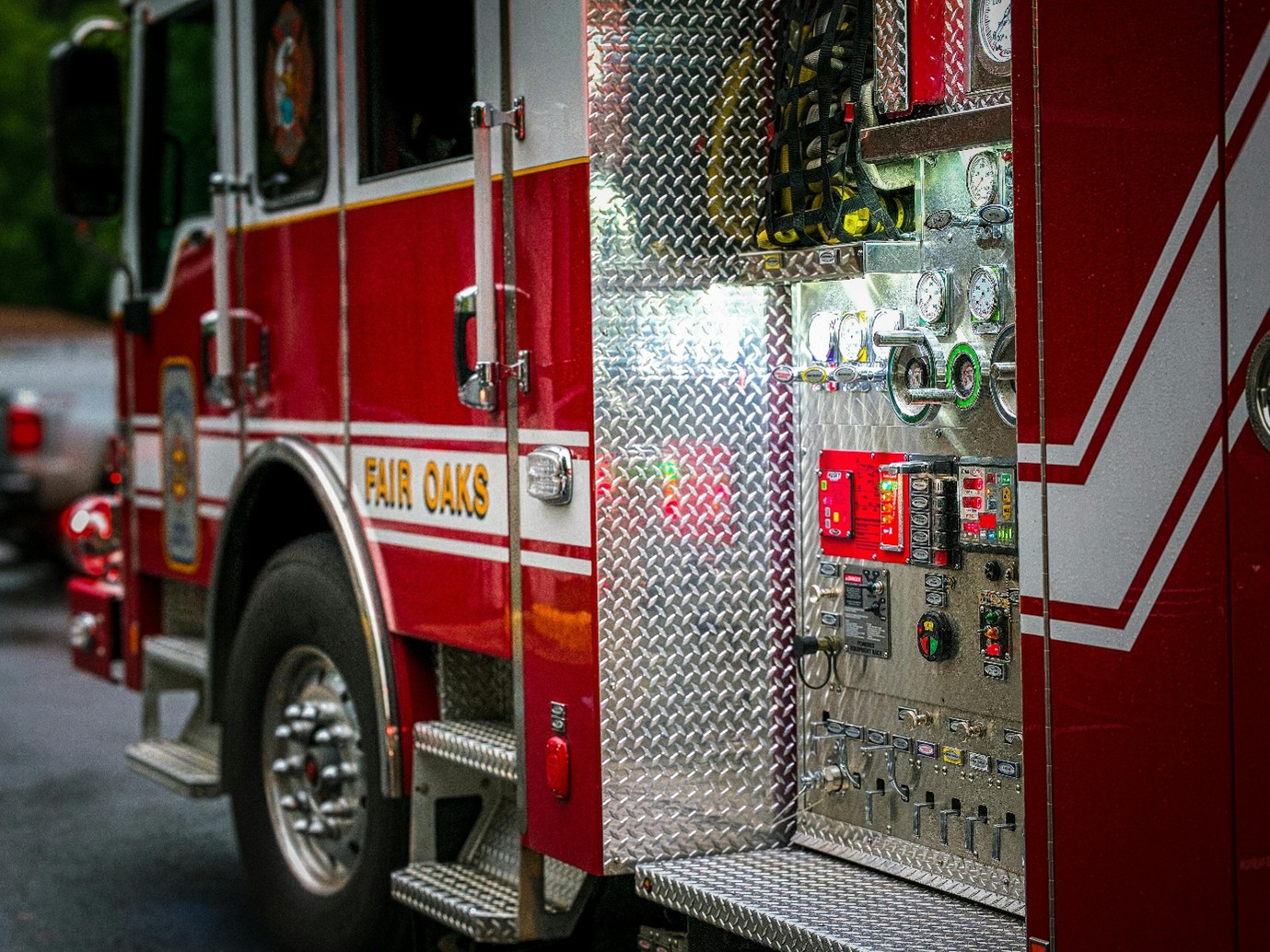
Emergencies don't schedule appointments, and neither should your fire safety measures. Fast fire watch services deliver on-demand, trained professionals to monitor high-risk sites when suppression systems fail or hot work ignites potential hazards. Whether it's a sudden sprinkler shutdown during renovations or urgent welding in a warehouse, these rapid-response teams bridge critical gaps. In a world where fires claim $15 billion in U.S. commercial losses yearly (per NFPA), understanding fast fire watch services equips businesses to act decisively.
Unlike traditional security, fire watch focuses on prevention and early detection. Guards patrol zones, wield extinguishers, and evacuate efficiently. "Fast" means mobilization within hours, often 1-2 for 24/7 providers, tailored to urgent needs like construction overruns or equipment breakdowns.
Why Speed Matters in Fire Prevention
Time is the enemy in fire scenarios. A smouldering cigarette butt or electrical arc can escalate in minutes. Fast fire watch services shine here, deploying certified personnel who comply with OSHA and NFPA standards instantly. Delays amplify risks: NFPA 241 mandates watches during impaired systems, with violations inviting $15,000+ fines.
Picture a bustling hotel in Florida facing an air conditioning retrofit. Sprinklers offline overnight; without rapid deployment, a kitchen flare-up could have spread. Fast services arrived in 90 minutes, patrolling kitchens and exits, averting disaster and saving $500,000 in potential damages. Speed ensures seamless integration, minimizing disruptions.
Core Components of Reliable Fast Fire Watch Services
Effective services pack essentials into swift action.
- Trained Personnel: Guards hold NFPA certifications, mastering hot work permits, thermal scans, and two-way radios for coordination.
- Equipment Arsenal: Portable extinguishers, fire blankets, and detection tools arrive ready-to-deploy.
- Documentation: Hourly logs prove compliance, shielding against audits.
- Scalability: Teams expand for large sites, like multi-building campuses.
- Providers often use apps for real-time reporting, alerting managers to anomalies like overheating machinery.
When to Call in Fast Fire Watch Services
Triggers abound in dynamic operations.
- Hot Work Hazards: Welding, cutting, or grinding demands watches for 30 minutes post-task.
- System Impairments: Sprinkler tests or repairs create vulnerable windows.
- High-Occupancy Events: Trade shows or film shoots spike risks.
- Post-Incident Monitoring: After small fires, guards prevent reignition.
A Texas oilfield contractor learned this the hard way. Rushed pipeline repairs without a watch led to a spark-fueled blaze, halting operations for weeks. Fast services now anchor their protocol, cutting downtime risks.
The Role of Fire Watch Guards in Rapid Response
Fire watch guards form the backbone, stationed strategically to spot blind-spot hazards. They enforce barricades, monitor combustibles, and conduct evacuation drills—repeating patrols every 30-60 minutes per code. In fast services, these experts rotate shifts for unwavering vigilance, often with hazmat training for chemical-heavy industries.
During a California data center upgrade, fire watch guards spotted a frayed cable sparking amid server racks. Their instant quench and shutdown prevented a multimillion-dollar outage. Repeated emphasis: fire watch guards are not optional; they are the human firewall in high-stakes moments.
Costs, Compliance, and Insurance Perks
Budget-savvy? Fast fire watch services deliver strong returns. Hourly rates hover at $60-120 per guard, with minimums of 4-8 hours. Packages bundle multiples for sites needing round-the-clock coverage. Compare that to fire losses averaging $350,000 per incident (Insurance Information Institute)—the math clearly favors prevention.
Compliance boosts insurance standings. Carriers like FM Global offer 15-25% premium cuts for documented watches. Legally, OSHA's 29 CFR 1910.252 mandates them for hot work, while local codes vary—always verify with fire marshals.
A Midwest factory bypassed costs during boiler maintenance; a valve leak ignited vapors, racking up $1.8 million in claims and lawsuits. Post-incident, fast services became standard, slashing premiums by 18%.
Choosing the Right Fast Fire Watch Provider
- Not all services sprint equally. Vet providers on these key factors:
- Response Time Guarantees: Aim for under 2 hours, 24/7.
- Certifications: NFPA 601 for guards, state licenses.
- References: Case studies from similar industries.
- Tech Integration: GPS tracking, live cams.
- Reputable firms like those endorsed by the International Fire Watch Association offer SLAs, ensuring accountability.
Real-World Wins and Future Trends
Success stories abound. A New York high-rise, mid-facade work, summoned fast services after a hoist malfunction disabled alarms. Guards' vigilance caught a welder's oversight, preserving tenant safety and $10 million in assets.
Looking ahead, drones and AI sensors augment guards, predicting hotspots via data analytics. Hybrid models promise even faster, smarter coverage by 2027.
Empower Your Business with Proactive Protection
Fast fire watch services demystify urgency, turning vulnerabilities into strengths. They safeguard assets, lives, and continuity, essential for resilient operations.
Don't wait for sirens. Partner with a provider today; knowledge is your first line of defense.