Nepal floods: how measuring snow in the Himalayas could help avoid future disasters
The massive and deadly floods on the Nepal-Tibet border are a stark reminder of why the world needs to constantly update its understanding of the fragile ecosystem in the Himalayas.
These towering mountains contain nearly 90,000 glaciers, which sustain ten major river systems. Countries nearby, including India, Pakistan, China, Afghanistan, Nepal and Bhutan, are reliant on water resources that cross borders here. As major river-based hydro economies, their agricultural production, energy security and wider economic stability depend on the availability and the timing of river flows.
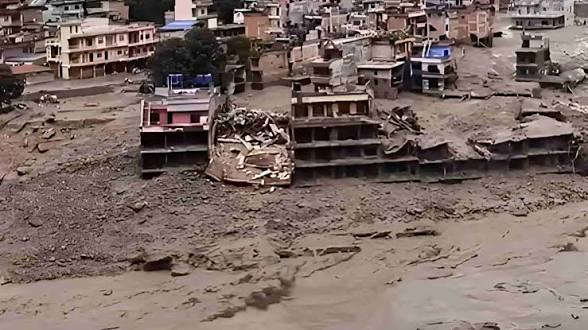
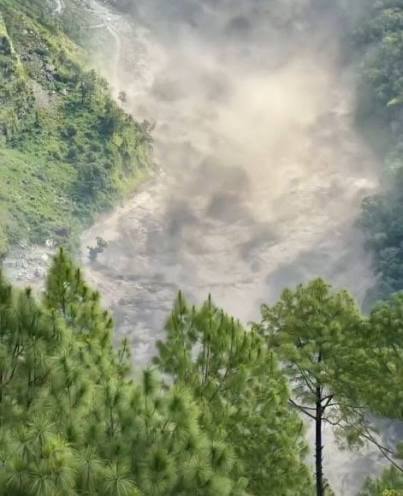
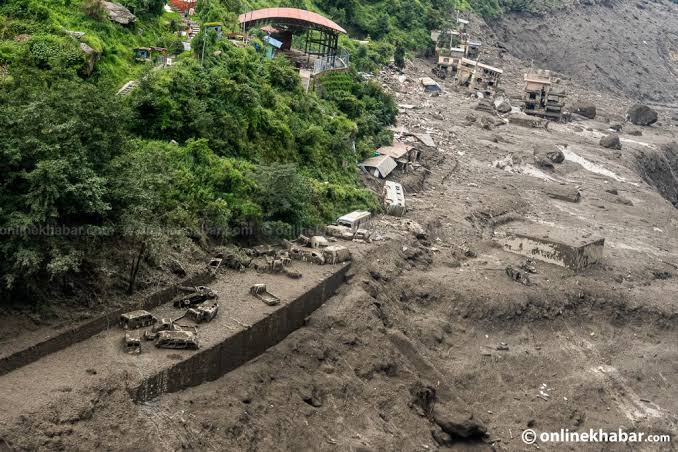
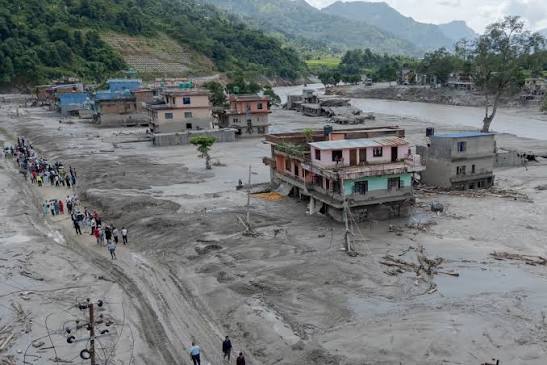
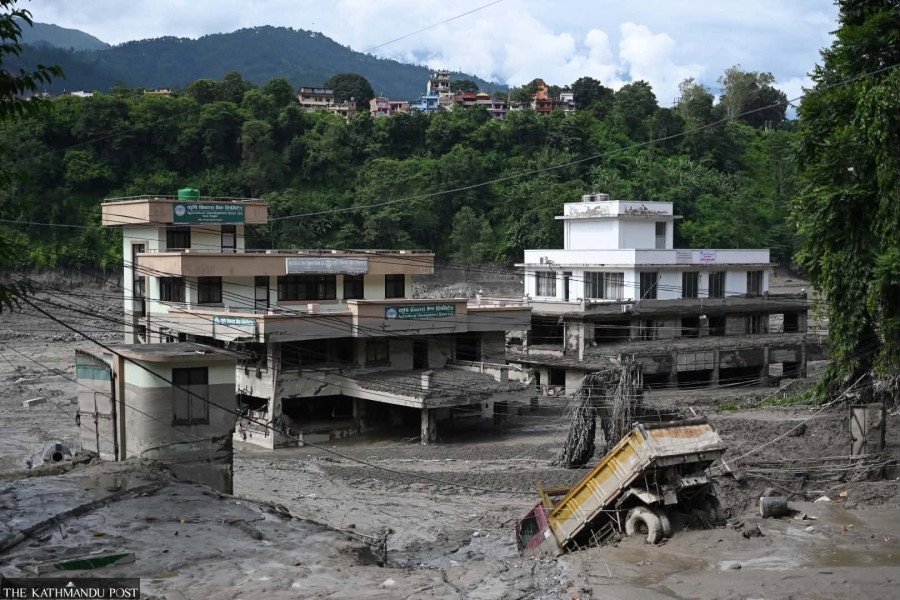
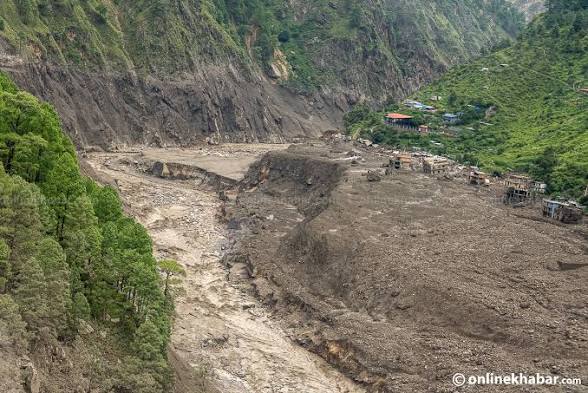
Changes in snowmelt, glacier retreat and water availability can cause untold hardship for millions of people relying on it. It can also create incredible danger as seen in August 2026, when a flash flood caused by a collapsed glacier washed away villages, bridges and roads on both sides of the Tibet-Nepal border, killing more than 1,000 people.
Understanding and measuring winter snowfall in these regions is exceptionally important. It is the main source of freshwater when it is released by snow melting during the region’s warm and early-summer crop growing seasons, when local communities need it most.
measure of the water stored in some of the key Nepalese glaciers using an airborne method that involves taking an aerial survey of the region using instruments mounted on a helicopter. Scientists are also using a technique known as radar interferometry, which uses a combination of radio waves to detect very fast-moving mountain slopes that risk collapsing.
A combination of one or more such techniques could be used to predict where snowfall is concentrated, how much water it is likely to contribute to the region and also identify areas at risk. New information could be used to cast early warning preparedness strategies feeding into a forewarning system for timely evacuation of the region’s most vulnerable.
What happens next?
Scientific innovation alone will not be enough. There is an urgent need for proven ideas to be commercially adapted and systematically deployed across critical zones. The numbers and the imminent dangers involved can now no longer be left to discussions in research papers and conferences, they must be made public on the equivalent of a war footing.
An evacuation success story from the Swiss village of Blatten in 2025 shows what this can achieve. Hundreds of people were moved out before a huge section of the glacier broke off. The authorities had already identified areas at risk and publicly shared hazard maps. Continuous monitoring of the landscape, precipitation and ground movement fed into an early warning signs.
But success stories from the west cannot simply be transplanted wholesale into the Himalayan context because of the region’s inhospitable elevation, harsh weather and limited infrastructure. An approach that factors in indigenous and traditional knowledge should be part of plans and policies.
What is also needed in the Himalayas is a far more highly coordinated monitoring network that brings together everyone who depends on and manages mountain water. This would include potential state and non-state organisations, researchers, local authorities and mountain communities. Communities should be central to this effort. Local people can help install and maintain monitoring equipment, collect observations and contribute knowledge of their own environment.
Examples of existing successes from the region include the use of community-managed reservoirs to artificially store meltwater, the construction of ice stupas (an artificial glacier) and glacier grafting techniques to grow new, water-producing glaciers designed to gradually release water during the growing season. The community-based flood warning system in parts of Nepal’s Koshi basin is a success story but is limited in its approach to provide alerts during a cascading disaster, such as the one we witnessed recently.
These results should help policymakers and scientists understand how communities dependent on mountain ecosystems are responding to change – and what support they need to adapt to reduce their vulnerability to future hydro-climatic shocks, such as droughts and floods.
Regardless of the current changes in Himalayan snowfall and glacier melt, local people need to play a vital role in helping measure what is happening in the climate system. And that, as well as countries working more closely together, should help with the future planning that is desperately needed.