Forsythia: The Golden Harbinger of Spring
When the first warm breezes stir after a long, gray winter, there’s one plant that refuses to stay hidden in the shadows: the forsthya. Its bright, buttery‑yellow blossoms appear almost overnight, announcing the arrival of spring with a confidence that can lift even the gloomiest mood.
Whether you’re a seasoned gardener, a city‑dweller with a balcony garden, or simply a lover of natural beauty, forsthya deserves a spot in your botanical repertoire. Below we’ll explore the history, varieties, and practical care tips that will let you enjoy this radiant shrub year after year.
A Brief History
Forsythia belongs to the Oleaceae family, the same lineage as olives and lilacs. Native to East Asia—particularly China, Korea, and Japan—the shrub was first introduced to Europe in the early 19th century by the Scottish botanist William Forsyth, after whom it is named.
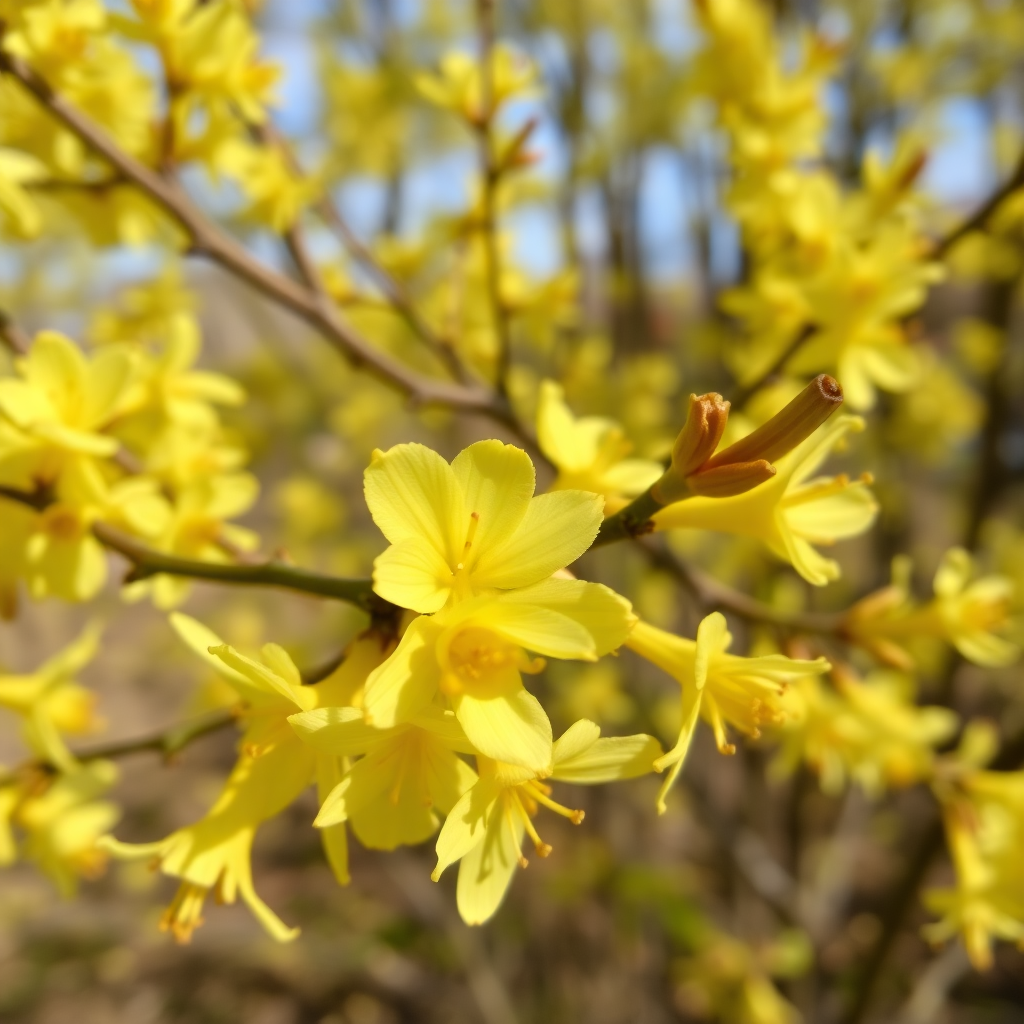
Its popularity exploded in Victorian England, when gardeners prized the plant for its early‑season color, using it to line pathways and frame garden “rooms.” Today, more than 30 cultivars are cultivated worldwide, each with its own nuance of size, bloom density, and foliage texture.
Why We Love Forsythia
- Instant Spring – Unlike many shrubs that wait weeks for buds to swell, forsthya bursts into flower on leafless wood, often when temperatures hover around 10 °C (50 °F). This early display makes it a favorite for “first‑flower” gardens.
- Low Maintenance – Once established, the plant tolerates a wide range of soils, from sandy loam to clay, provided the site is well‑drained. Its vigorous growth means pruning is rarely a chore; a simple hard prune after flowering keeps it tidy.
- Versatile Design – Small dwarf varieties (such as ‘Little Gold’) fit perfectly in containers or rock gardens, while taller forms like Forsythia × intermedia ‘Golden Arrow’ can serve as a stunning backdrop in larger borders.
Planting & Care Essentials
| Step | Details |
|---|---|
| Site Selection | Choose a sunny location (minimum 6 hours of direct light). Partial shade is acceptable but will reduce flower abundance. |
| Soil Preparation | Amend heavy clay with compost or coarse sand to improve drainage. A slightly acidic to neutral pH (5.5‑7.0) is ideal. |
| Planting Time | Early spring or late autumn, when the plant is dormant, reduces transplant shock. Space plants 1.2–1.8 m (4‑6 ft) apart for larger cultivars. |
| Watering | Keep soil evenly moist for the first growing season. Once established, forsthya is drought‑tolerant, but a deep soak during prolonged dry spells encourages robust blooming. |
| Pruning | After the yellow display fades (late May–early June), cut back stems to about 30 cm (12 in) above the ground. This stimulates new shoots that will bear next year’s flowers. |
Symbolism & Uses
In the language of flowers, forsthya represents “anticipation” and “renewal,” embodying the promise of warmer days. Its cut flowers, though short‑lived, are prized for fresh arrangements, while the shrub’s wood—light and slightly scented—has historically been used for small carpentry projects and traditional Japanese tea‑house décor.
A Quick Tip for Beginners
If you’re uncertain about spacing, plant a single dwarf cultivar in a large pot and observe its growth habit for a season. This “trial run” lets you gauge how much space the plant truly needs before committing to a permanent garden spot.
Forsythia’s exuberant yellow blossoms are more than a visual treat; they’re a seasonal reminder that nature is ever‑ready to reinvent itself. By understanding its origins, selecting the right variety, and providing simple, consistent care, you can guarantee that every spring your garden will burst into a chorus of gold—an unmistakable signal that winter has finally slipped away. Happy planting!