The Charm of the Clover Flower: Nature’s Lucky Symbol
When you think of a clover flower, you might picture a small, green plant with three heart-shaped leaves—often hiding a rare four-leaf version believed to bring good luck. But clover is more than just a symbol of fortune. It's a hardy, beneficial plant found in meadows, lawns, and gardens around the world.
Clover, belonging to the Trifolium genus, includes over 300 species. The most common types are white clover (Trifolium repens) and red clover (Trifolium pratense).
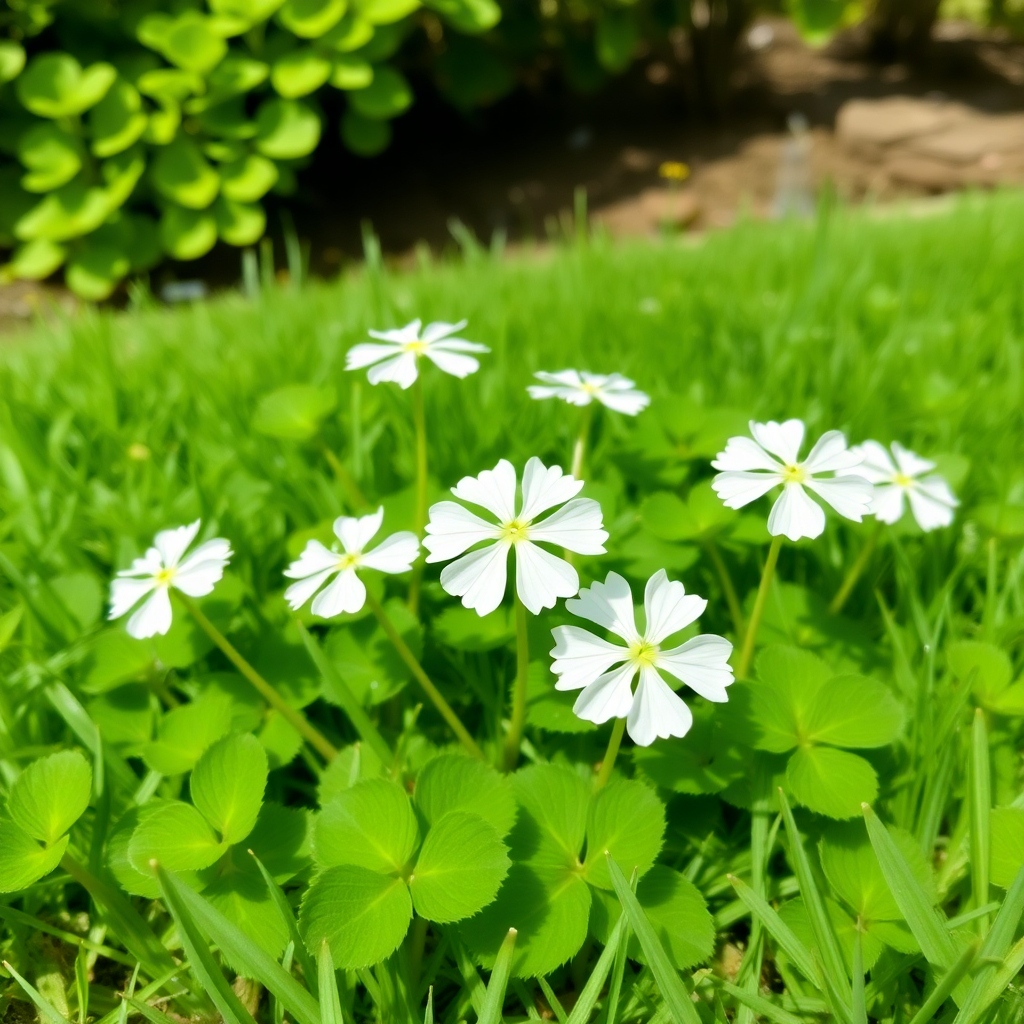
These plants grow low to the ground and produce tiny flowers clustered into round or oval heads. White clover blooms with pale pink or white flowers, while red clover features deep pink to purple blossoms.
One of clover’s biggest strengths is its ability to enrich the soil. Clover is a "nitrogen-fixing" plant, meaning its roots host bacteria that convert nitrogen from the air into a form that plants can use. This natural fertilization helps nearby plants grow stronger and healthier—making clover a favorite in organic farming and sustainable gardening.
Clover is also incredibly important for pollinators. Bees love clover flowers, which provide rich sources of nectar and pollen. In fact, clover honey—sweet and mildly floral—is made almost entirely from bees gathering nectar from clover blooms. Without clover, many bee populations would struggle to thrive.
Beyond its ecological benefits, clover has a long cultural history. The four-leaf clover is a widely recognized symbol of good luck, with each leaf representing faith, hope, love, and luck. This superstition dates back to Celtic traditions, where carrying a four-leaf clover was thought to ward off evil spirits and bring fortune.
In some places, clover is even edible. The flowers and leaves can be eaten raw in salads or brewed into tea. Red clover tea, in particular, is used in herbal medicine for its potential anti-inflammatory and antioxidant properties—though it’s always wise to consult a healthcare provider before using any herbal remedy.
Despite often being considered a "weed" in perfect green lawns, clover is making a comeback. Eco-conscious homeowners are choosing to grow clover in their yards because it requires less mowing, resists drought, and supports local wildlife.
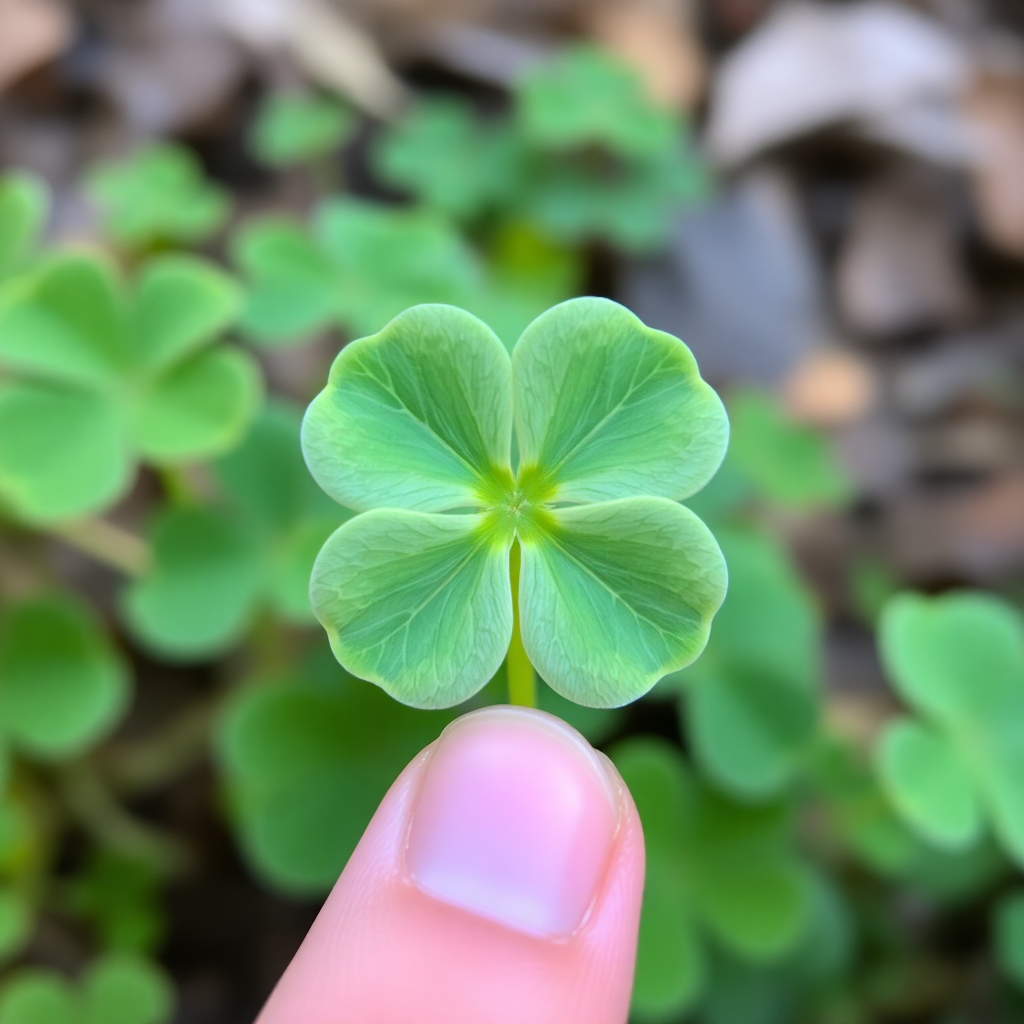
In short, clover is more than just a lucky charm—it’s a quiet powerhouse in the plant world. Whether it's feeding bees, feeding the soil, or bringing a smile when someone finds a four-leaf variety, clover shows how even the smallest plants can have a big impact. So next time you see a patch of clover, take a moment to appreciate nature’s humble but helpful wonder.