Queen Anne’s Lace: The Wild Elegance Behind the Common Name
If you’ve ever wandered through a meadow or passed a roadside ditch and spotted a delicate, lacy white bloom, you were likely looking at Daucus carota—better known as Queen Anne’s Lace. Though it often gets lumped in with weeds, this humble flower carries a surprisingly rich history, striking biology, and a suite of practical uses that deserve a closer look.
A Royal Moniker, Not a Royal Origin
The name “Queen Anne’s Lace” first appeared in 17th‑century England, when the delicate, lace‑like seed heads were said to resemble the intricate embroidery favored by Queen Anne herself.
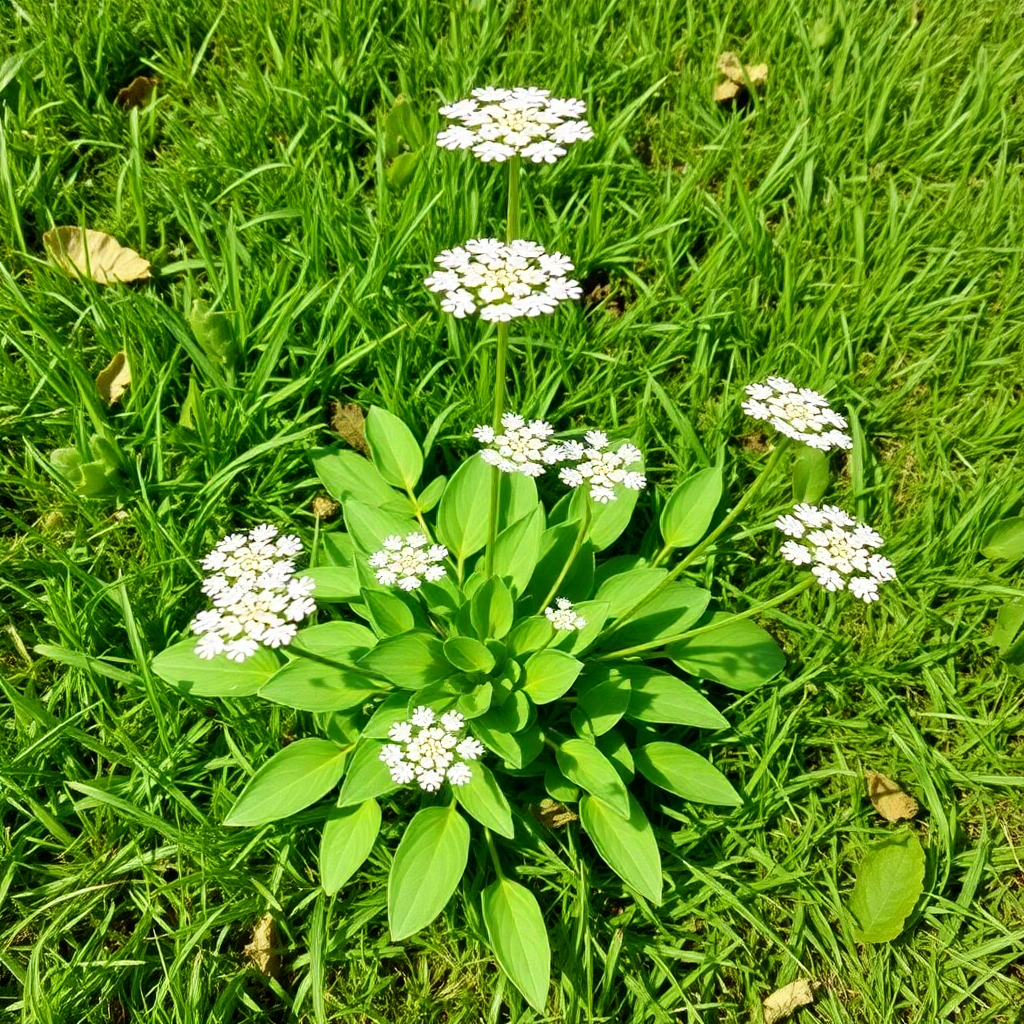
The alternative name “wild carrot” points to its true botanical family: the Apiaceae, which also includes carrots, parsley, and fennel. Unlike its cultivated cousin, the wild variety is bitter, with a woody taproot that made it a staple for early foragers.
Botanical Highlights
The plant sends up a single, hollow stem that can reach three feet tall, capped with an umbrella‑shaped umbel of up to 30 tiny white flowers. Each flower bears five petals and a distinctive darkened floret at the centre—a subtle cue that the plant is not a harmless ornamental.
This central floret often turns reddish as the umbel matures, a visual warning that the seeds contain compounds toxic to livestock in large quantities.
Ecological Role
Queen Anne’s Lace is a magnet for pollinators. Its open flowers provide easy landing pads for bees, flies, and butterflies, while the flat seed heads offer a winter food source for birds. In fact, the seeds are a favorite of goldfinches, who crack the tiny shells open with their strong beaks.
From Kitchen to Medicine
For the adventurous cook, the young, tender leaves can be added raw to salads, lending a peppery bite reminiscent of parsley. Historically, the roots were boiled to create a diuretic tea, and the dried seed heads were used in folk remedies for coughs and digestive woes. Modern herbalists still cite the plant’s anti‑inflammatory properties, though it should always be used under professional guidance.
A Word of Caution
While beautiful, Queen Anne’s Lace can be confused with the poisonous poison hemlock (Conium maculatum). The key differences: hemlock’s stems are spotted, its leaves are more finely divided, and its flowers are white but lack the characteristic central dark floret. When in doubt, admire from a distance.
In the Garden
If you’re looking to add a touch of wild elegance to a cottage garden, consider planting a controlled patch of Queen Anne’s Lace. It self‑sows readily, attracts beneficial insects, and offers a fleeting glimpse of nature’s untamed charm—just remember to keep it away from grazing animals and curious children.
In a world where cultivated perfection often steals the spotlight, Queen Anne’s Lace reminds us that beauty, utility, and history can thrive in the most unassuming of weeds. Next time you spot that delicate white umbrella, pause and appreciate the story woven into each lace‑like petal.