The Mayflower: A Symbol of Resilience and Spring’s Beauty
As the first embers of spring begin to bloom, the delicate Mayflower (Epigaea repens), also known as trailing arbutus, carpets the forest floor with clusters of pink or white bell-shaped flowers. Named not for the iconic 17th-century ship but for its May-blooming timing, this low-growing shrub is a cherished symbol of renewal and the spirit of exploration.
Found across the eastern United States and Canada, the Mayflower thrives in acidic, well-drained soils, often in oak or pine woods, where its leathery green leaves and fragrant blooms create a hidden garden underfoot.
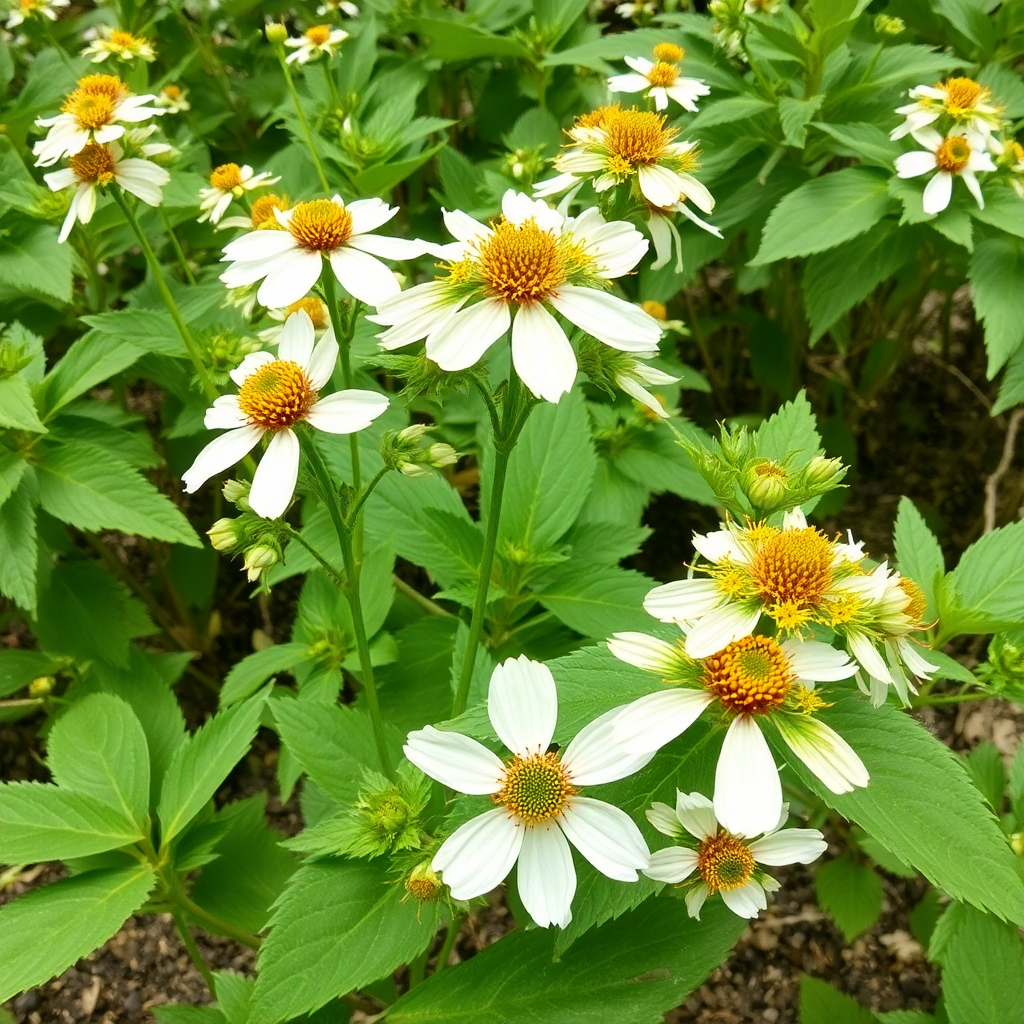
The Mayflower’s connection to the Mayflower ship is a poetic twist of history. When the Pilgrims arrived in the New World in 1620, they were startled to find the plant blooming in May, coinciding with their voyage’s timing.
This serendipitous link elevated the Mayflower to a cultural icon, symbolizing the hope and perseverance of early settlers. Today, it is the official state flower of Connecticut (adopted in 1907) and Massachusetts (1916), a nod to its deep roots in regional identity.
Beyond its historical ties, the Mayflower is a marvel of nature. Part of the Ericaceae family, it shares lineage with blueberries and rhododendrons. Its waxy, pink-to-white flowers emit a sweet, spicy fragrance, attracting pollinators like bees and butterflies. The plant spreads via runners, creating dense clusters over time, but it’s a slow grower, requiring patience and care.
For gardeners, cultivating Mayflower demands acidic soil (pH 4.5–5.5) and partial shade—a challenge that rewards with bursts of springtime color.
Once threatened by over-picking and habitat loss, the Mayflower now faces conservation efforts in some regions. Its fragility mirrors the resilience of the wild, reminding us to appreciate nature’s quiet miracles.
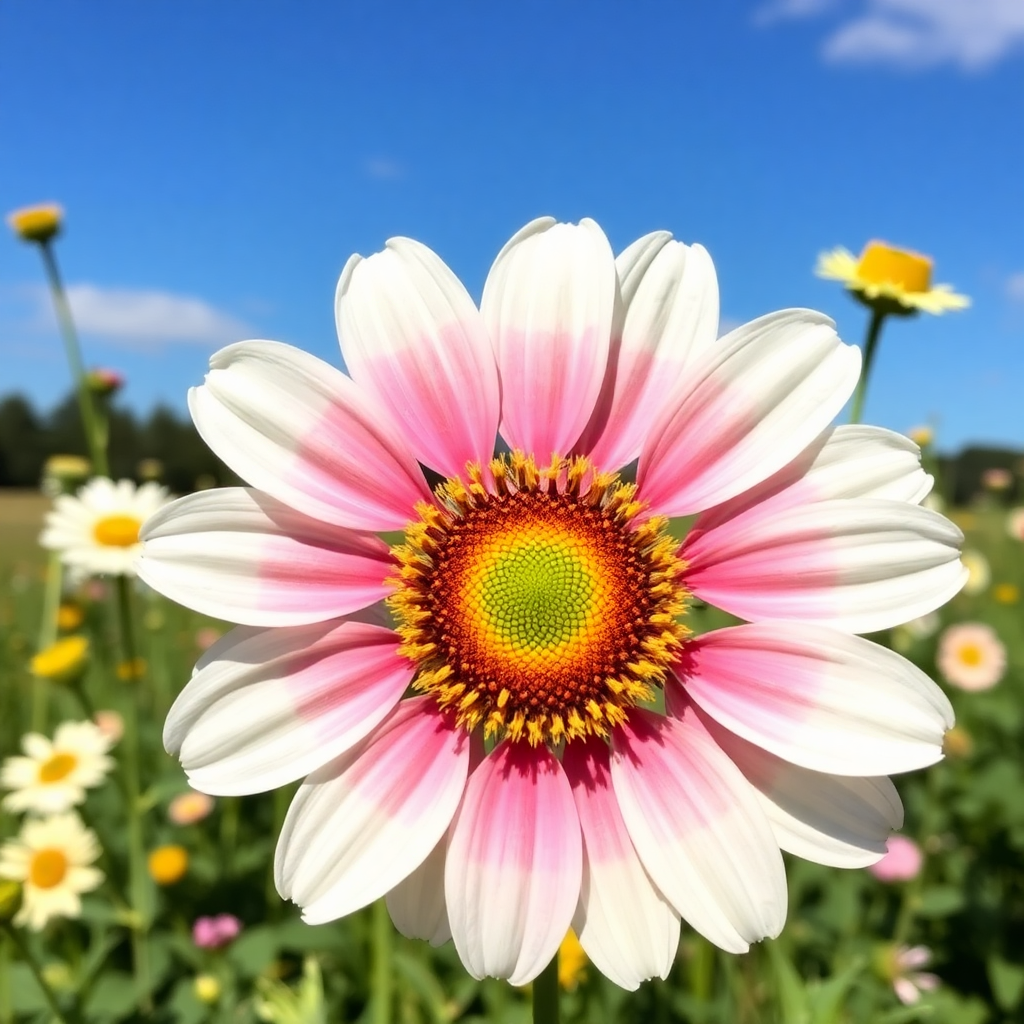
Whether in the wild or a garden, the Mayflower is more than a flower—it’s a bridge between seasons, a homage to history, and a call to cherish the delicate balance of our ecosystems. So next time you see its tiny bells, pause to honor a plant as enduring as the stories it carries.
Consider planting a Mayflower in your garden (if climate allows!) or visiting a nature reserve to witness its beauty firsthand. Let its blooms inspire you to grow, adapt, and thrive.
Upvoted! Thank you for supporting witness @jswit.