Cotoneaster Flowers: Nature’s Versatile and Charm-Filled Shrubs
Cotoneaster, a member of the rose family, is a genus of shrubs beloved for its delicate beauty and adaptability. These plants grace gardens and wild landscapes with clusters of white or pink flowers that bloom in spring, followed by vibrant berries that linger through winter. Whether you’re a seasoned gardener or a novice, Cotoneaster’s low-maintenance charm makes it a delightful addition to any space.
A Closer Look at Cotoneaster
Cotoneaster shrubs range in size from compact mounds to sprawling, horizontal forms. For instance, Cotoneaster horizontalis boasts flat, weeping branches, while Cotoneaster lucidus dazzles with glossy leaves.
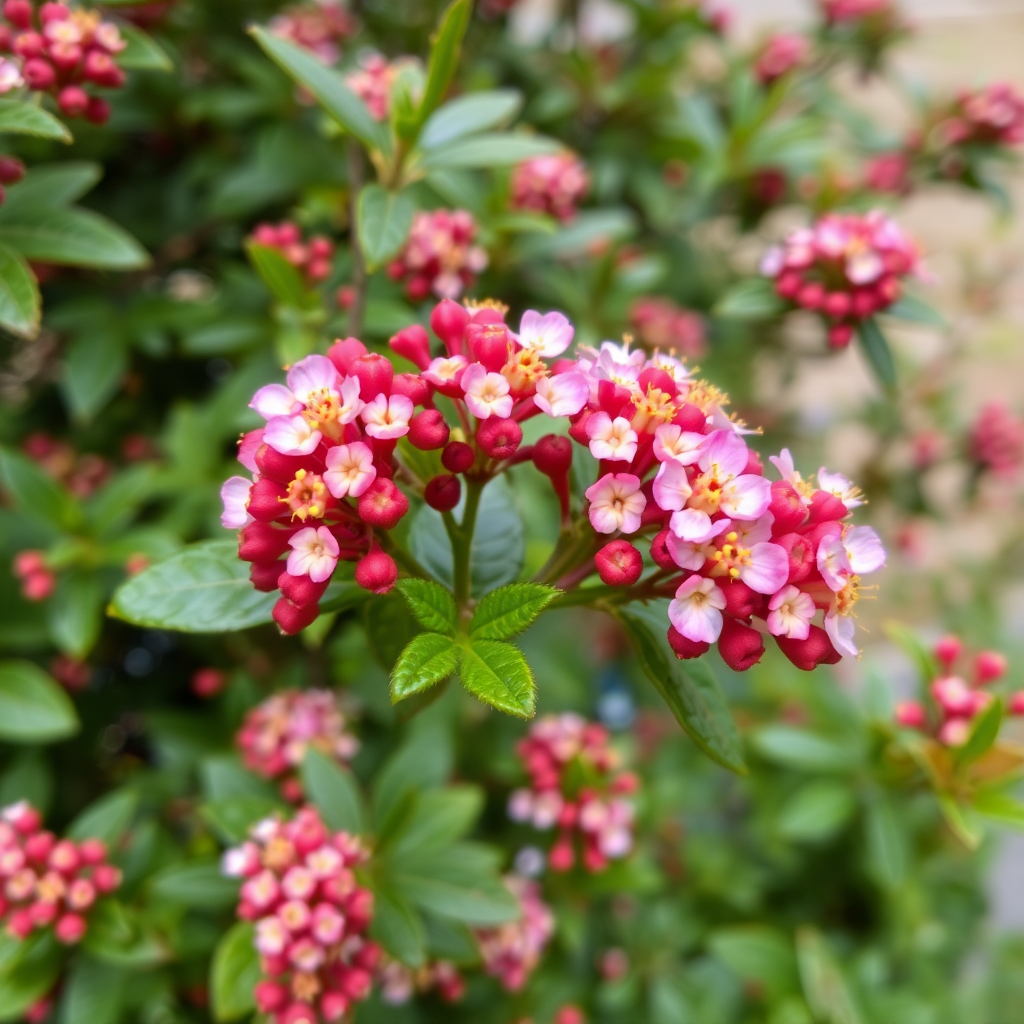
Most species have small, abundant flowers that create a frothy effect, though colors vary from pure white to soft pink. After blooming, the flowers give way to berries in shades of red, yellow, or orange. These berries not only add seasonal interest but also attract birds, making Cotoneaster a wildlife-friendly choice.
Easy Care, Big Impact
One of Cotoneaster’s greatest strengths is its ease of care. Thriving in full sun to partial shade, these shrubs adapt to various soil types, preferring well-drained conditions.
Once established, they tolerate drought and require minimal pruning—shaping them to fit your garden’s design or enjoying their natural form. Many species are evergreen, maintaining their foliage year-round, while others shed leaves in winter, revealing ornamental berries and bark.
Landscape Powerhouses
Cotoneaster’s versatility makes it a favorite among landscape designers. Used as hedges, ground cover, or accent plants, they fill spaces with grace. Their trailing varieties work beautifully in rock gardens or cascading from walls, while upright types serve as privacy screens. Beyond aesthetics, Cotoneaster helps prevent soil erosion, thanks to its dense root system.
Eco-Friendly Benefits
Cotoneaster supports local ecosystems by providing food and shelter for birds, especially in winter. Though generally pest-resistant, monitoring for occasional issues like aphids ensures their health. However, be mindful: in some regions, non-native species may become invasive, so choose varieties suited to your area.
Conclusion
Cotoneaster’s blend of beauty, resilience, and ecological value makes it a standout in gardens and natural settings. Whether you crave a low-effort shrub for your yard or a vibrant accent for wildlife, Cotoneaster delivers year-round charm. Embrace its elegance—your garden and the environment will thank you.