Tiger Flower – A Little Burst of Wild Beauty
If you’re looking for a garden plant that brings drama, color, and a touch of the exotic, the tiger flower is a perfect choice. Its scientific name is Tigridia pavonia, but most people simply call it “tiger flower” because the blossoms look a bit like the patterned coat of a tiger. In just a few short paragraphs, let’s explore what makes this plant special, where it comes from, how to grow it, and why gardeners love it so much.
What Does a Tiger Flower Look Like?
A tiger flower grows from a modest, grass‑like leaf clump that reaches about 12‑18 inches tall. In late spring or early summer, a single leaf sends up a thin stalk that bears one large flower. Each bloom is roughly the size of a dinner plate and opens for only a single day.
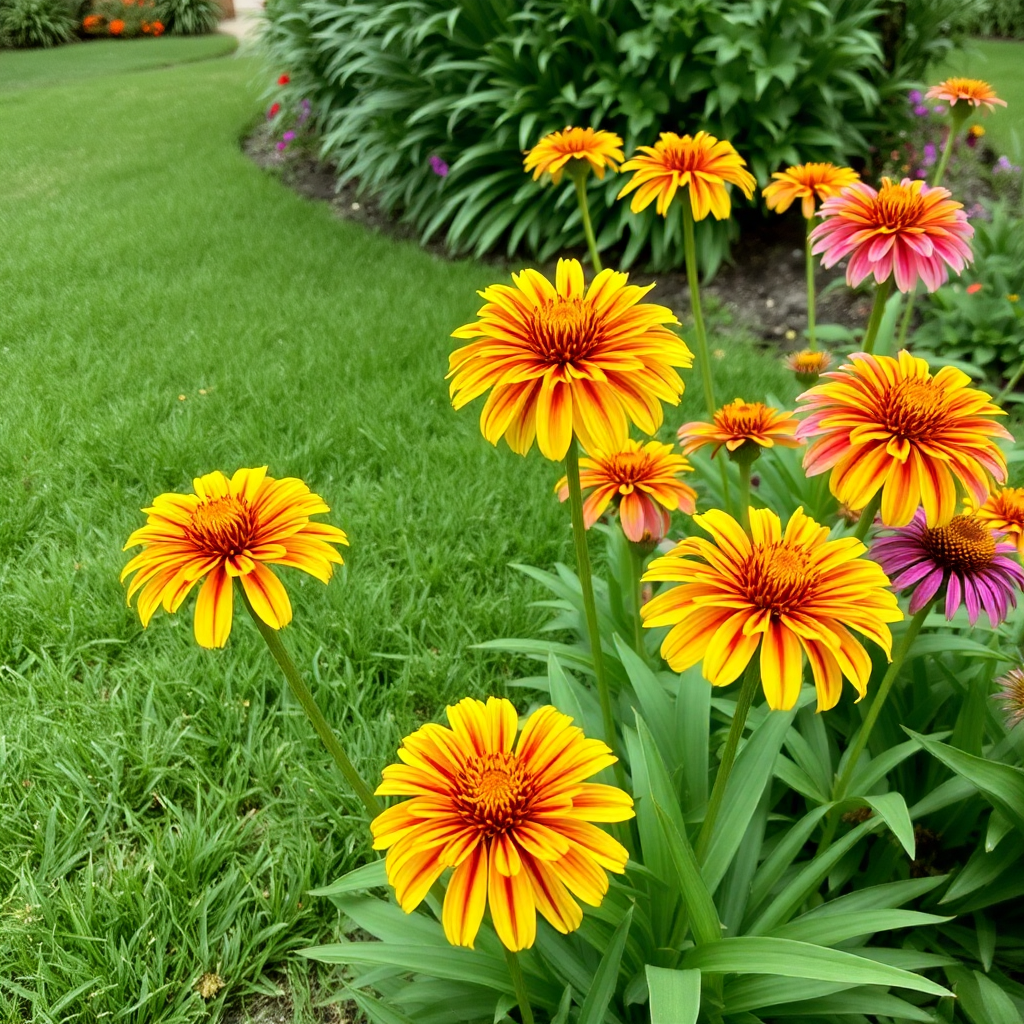
The petals are bright orange or yellow with bold, dark brown or black spots that create a tiger‑like pattern—hence the name. Inside the flower, the stamens and pistils can be a contrasting purple or deep red, adding even more visual interest.
Where Does It Come From?
Tiger flowers are native to the high‑altitude regions of Mexico, Guatemala, and parts of the southwestern United States. They thrive in the warm, sunny slopes of mountains where the soil is well‑drained and often a little rocky. Because they are adapted to these conditions, they tolerate heat and a short dry season very well.
Growing Tiger Flower in Your Garden
Sunlight: Plant tiger flowers where they receive at least six hours of direct sun each day. Too much shade will keep the bulbs from flowering.
Soil: Use a gritty, well‑draining mix. Adding sand or fine gravel helps prevent the bulbs from rotting.
Planting: Plant the bulbs (called corms) about 2–3 inches deep in the fall, spacing them 6–8 inches apart. This gives them time to establish roots before winter.
Water: Keep the soil slightly moist during the growing season, but let it dry out after the leaves die back in late summer. Over‑watering during dormancy can cause the corms to rot.
Care after Bloom: Once the flower fades, let the foliage continue to grow until it turns yellow and dies back naturally. The leaves feed the corm for next year’s bloom. You can dig up the corms in late fall, clean off the soil, and store them in a cool, dry place if you live in a region with harsh winters.
Uses and Symbolism
Tiger flowers are mostly grown for their ornamental value, but they have a few other uses:
Cut Flowers: Because the blooms open fully and stay fresh for a day, they make striking cut flowers for short‑term arrangements.
Traditional Medicine: In some Mexican folk traditions, the bulbs are used in herbal teas for digestive aid, though they should be used with caution and proper knowledge.
Symbolism: The dramatic, fleeting nature of the flower is often linked to ideas of fleeting beauty and the importance of enjoying the moment.
Quick Tips for a Successful Display
Plant in Groups: A cluster of tiger flowers looks more natural than a single plant.
Mix Colors: Pair them with solid‑colored plants like lavender or sage to let the tiger patterns stand out.
Dead‑head Promptly: Removing spent flowers encourages the plant to focus energy on the next corm.
Final Thoughts
The tiger flower may be simple in size, but its bold pattern and single‑day spectacle bring a wild, almost theatrical touch to any garden. With minimal care—just sunny placement, well‑draining soil, and a little patience—you can enjoy a series of vivid, tiger‑striped blossoms year after year. Give it a try, and let the fleeting beauty of the tiger flower remind you to pause, admire, and celebrate the everyday wonders of nature.