Queen’s Cup: The Regal Bloom That Turns Gardens into Royal Courts
When you stroll through a garden in late spring and spot a splash of delicate pink‑purple blossoms rising triumphantly from the foliage, you’re likely looking at the Queen’s Cup (Clintonia uniflora).
Often nicknamed “queen’s cup lily,” this modest yet majestic wildflower has been captivating botanists, gardeners, and folklore enthusiasts for centuries. Its unassuming charm belies a rich history of cultural reverence, ecological importance, and horticultural potential—making it a truly regal addition to any plant collection.
A Brief Botanical Portrait
Clintonia uniflora belongs to the Liliaceae family, though some taxonomists now place it in the Melanthiaceae. Native to the cool, moist forests of the Pacific Northwest—from coastal British Columbia down through Washington, Oregon, and northern California—the plant thrives in dappled shade beneath towering conifers.
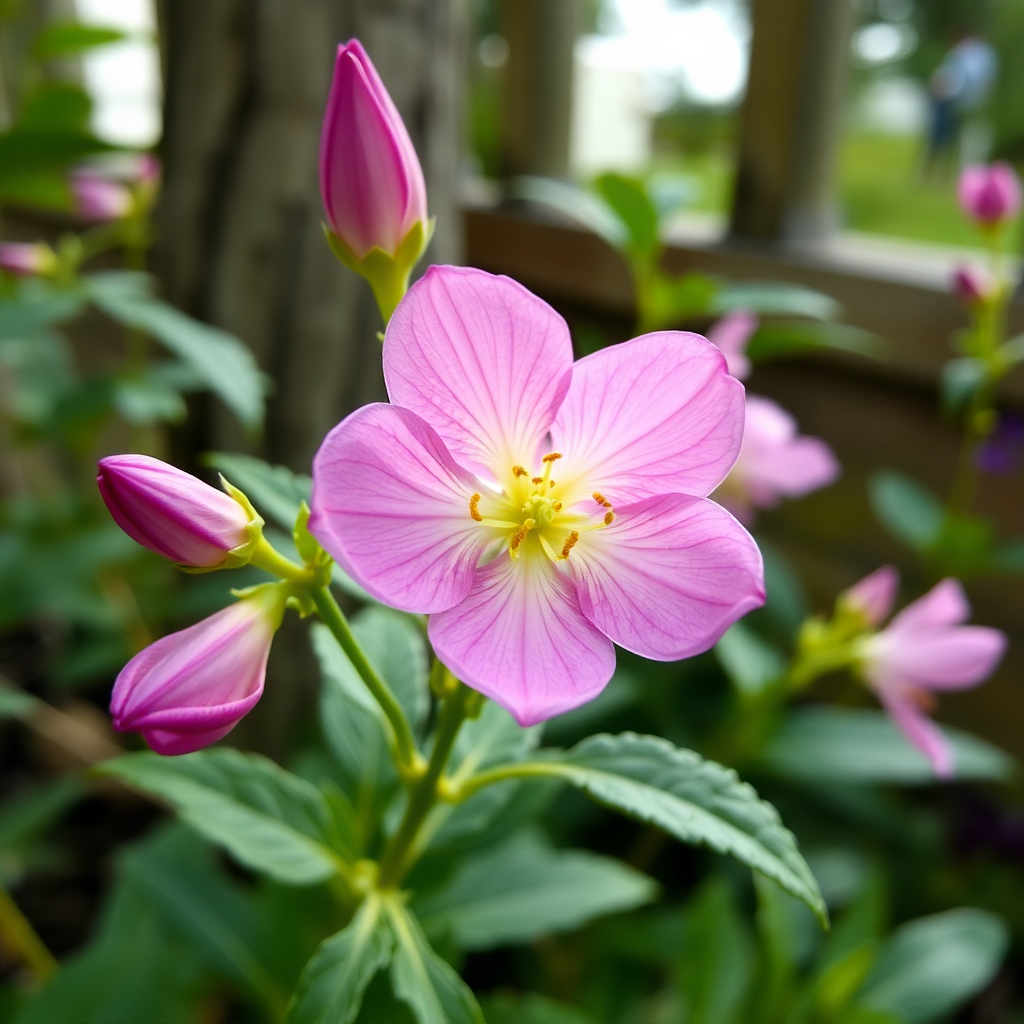
Each slender stem (10–30 cm tall) bears a single, bell‑shaped flower that sways like a tiny cup, thus earning its common name. The bloom’s petals transition from a soft rose‑pink at the base to a deep violet at the tip, a gradient that seems almost painted by a master artist.
Below ground, a robust rhizome stores nutrients, allowing the plant to re‑emerge year after year. This perennial resilience is one reason the Queen’s Cup is a favorite among low‑maintenance gardeners seeking a splash of color without the fuss of annual replanting.
From Forest Floor to Royal Folklore
The moniker “Queen’s Cup” stems from a blend of Indigenous legend and early European settler myth. Native Salish peoples referred to the plant as “sik‑tá‑tlé,” meaning “the little cup that holds the sunrise,” and used its roots in ceremonial teas for their mild astringent qualities. When European explorers arrived, they were enchanted by the flower’s graceful poise, likening it to a queen’s jeweled goblet—hence the English name.
In Victorian England, the Queen’s Cup became a symbol of humility and quiet strength, often featured in poetry that praised “the garden’s modest monarch.” Its delicate appearance also made it a popular motif in textile designs and fine china during the late 19th century.
Growing the Queen’s Cup in Your Garden
If you’re tempted to invite royalty into your own backyard, the Queen’s Cup is surprisingly easy to cultivate—provided you mimic its natural habitat:
| Requirement | Ideal Condition |
|---|---|
| Light | Dappled shade; avoid full sun |
| Soil | Moist, well‑draining, slightly acidic (pH 5.5–6.5) |
| Water | Keep consistently damp, especially during dry spells |
| Spacing | 15–20 cm apart to allow rhizome expansion |
| Propagation | Divide mature clumps in early fall or plant seed in spring |
Mulching with leaf litter not only conserves moisture but also recreates the forest floor’s organic layer, encouraging healthy growth. Because the plant spreads slowly, it can be paired nicely with ferns, hostas, or shade‑loving irises for a layered, naturalistic look.
Culinary & Medicinal Curiosities
While not a staple in modern cuisine, the young shoots of Clintonia uniflora were historically boiled and eaten by Indigenous peoples, who noted their mild, slightly sweet flavor. Modern herbalists occasionally use the plant’s rhizome in tinctures aimed at soothing minor skin irritations, though scientific validation remains limited. As always, any medicinal or culinary use should be approached with caution and proper identification.
A Crown Worth Growing
The Queen’s Cup may not command the dramatic flair of a rose or the towering stature of a peony, but its subtle elegance, ecological resilience, and storied past give it a regal air all its own. Whether you’re a seasoned horticulturist or a weekend garden enthusiast, planting a few cups of this humble monarch can transform a modest shade garden into a royal court—one gentle bloom at a time. 🌿👑