Goldenrod: The Unassuming Hero of Late‑Summer Gardens
When the heat of midsummer finally begins to wane, most gardeners brace themselves for a slow fade into autumn. Yet, if you’ve ever wandered through a meadow or a sunny roadside in late July or August, you’ve likely been greeted by a sea of bright, sunny gold. That dazzling display belongs to Solidago—commonly known as goldenrod.
Often maligned as the culprit behind seasonal allergies, goldenrod is actually a resilient, beneficial, and surprisingly versatile plant that deserves a place in any garden.
A Quick Botanical Portrait
Goldenrod is a member of the Asteraceae family, the same botanical clan that includes daisies, sunflowers, and asters. The genus comprises roughly 120 species, but in North America the most familiar are Solidago canadensis (Canada goldenrod) and Solidago gigantea (giant goldenrod).
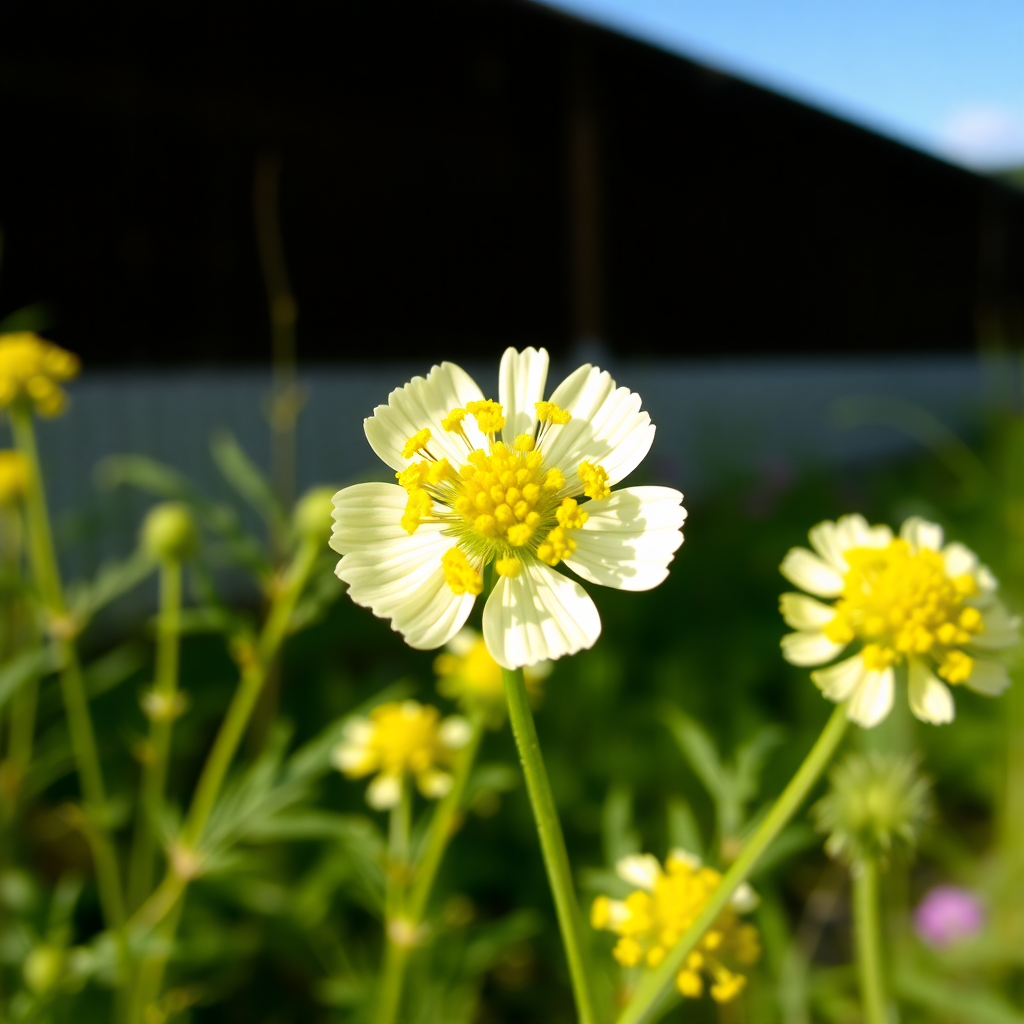
These perennials typically grow 2–5 feet tall, with slender, upright stems crowned by plume‑like clusters of tiny, four‑petaled florets. The flowers are not single blossoms but dense racemes that sway in the breeze, creating a vivid, waving carpet of gold.
Myths vs. Reality: Allergy Confusion
A persistent myth brands goldenrod as the primary cause of late‑summer hay fever. In truth, ragweed (Ambrosia spp.)—which blooms at the same time—produces the highly allergenic pollen. Goldenrod’s pollen is heavy and sticky, designed to fall straight to the ground and be transferred by insects rather than wind. So, while goldenrod may be a visual reminder of the sniffles, it’s rarely the real offender.
Garden Benefits
Pollinator Magnet – The tiny florets provide a rich nectar source for bees, butterflies, and hoverflies. Planting goldenrod can extend the foraging season well into September, supporting pollinator populations that are already under stress.
Soil Stabilizer – With a deep, fibrous root system, goldenrod helps prevent erosion on slopes and riverbanks. Its vigor makes it an excellent candidate for naturalized areas where soil disturbance is common.
Companion Plant – In vegetable gardens, goldenrod can act as a “trap crop” for aphids, drawing them away from more vulnerable crops. It also releases compounds that may deter certain soil‑borne pathogens, though research is still emerging.
Traditional Uses and Modern Applications
Historically, Native American tribes brewed goldenrod tea to treat urinary tract infections and kidney stones, while European herbalists prized it as an anti‑inflammatory remedy. Modern phytochemical studies have identified flavonoids, saponins, and essential oils that exhibit antioxidant and antimicrobial properties—fueling a renewed interest in goldenrod extracts for natural health products.
Beyond medicine, the plant’s tall, sturdy stems have been used for weaving rustic baskets, and its bright blooms inspire natural dyes ranging from buttery yellow to earthy amber.
Cultivation Tips for the Home Gardener
- Sunlight: Full sun (≥ 6 hours daily) yields the richest color.
- Soil: Tolerates a wide range, from loamy to sandy; prefers well‑drained conditions.
- Water: Once established, goldenrod is drought‑tolerant, though regular watering during the first growing season promotes vigorous growth.
- Spacing: Plant 18–24 inches apart to allow airflow and reduce fungal pressure.
- Division: Every 3–4 years, dig up clumps in early spring and divide to maintain vigor.
Embracing the Gold
Goldenrod’s understated beauty, ecological value, and rich cultural history make it more than just a roadside curiosity. By planting a few clumps in your garden, you’re not only adding a splash of late‑summer color—you’re supporting pollinators, stabilizing soil, and honoring a plant that has quietly thrived for centuries.
So the next time you see those shimmering tassels waving in the breeze, take a moment to appreciate the humble hero that is goldenrod.