The Challenges of Ensuring Global Food Security
Global food security—access for all people to sufficient, safe, and nutritious food—is a cornerstone of sustainable development. Yet, meeting this goal is increasingly complex as the world grapples with demographic, environmental, and economic pressures. Below are the key challenges that policymakers, farmers, and innovators must confront today.
- Rising Population Pressure
The United Nations projects the global population to hit 10 billion by 2050. More mouths mean higher demand for staple crops, protein sources, and diverse diets. Scaling production without expanding cropland—already limited by urbanization and land degradation—is a delicate balancing act.
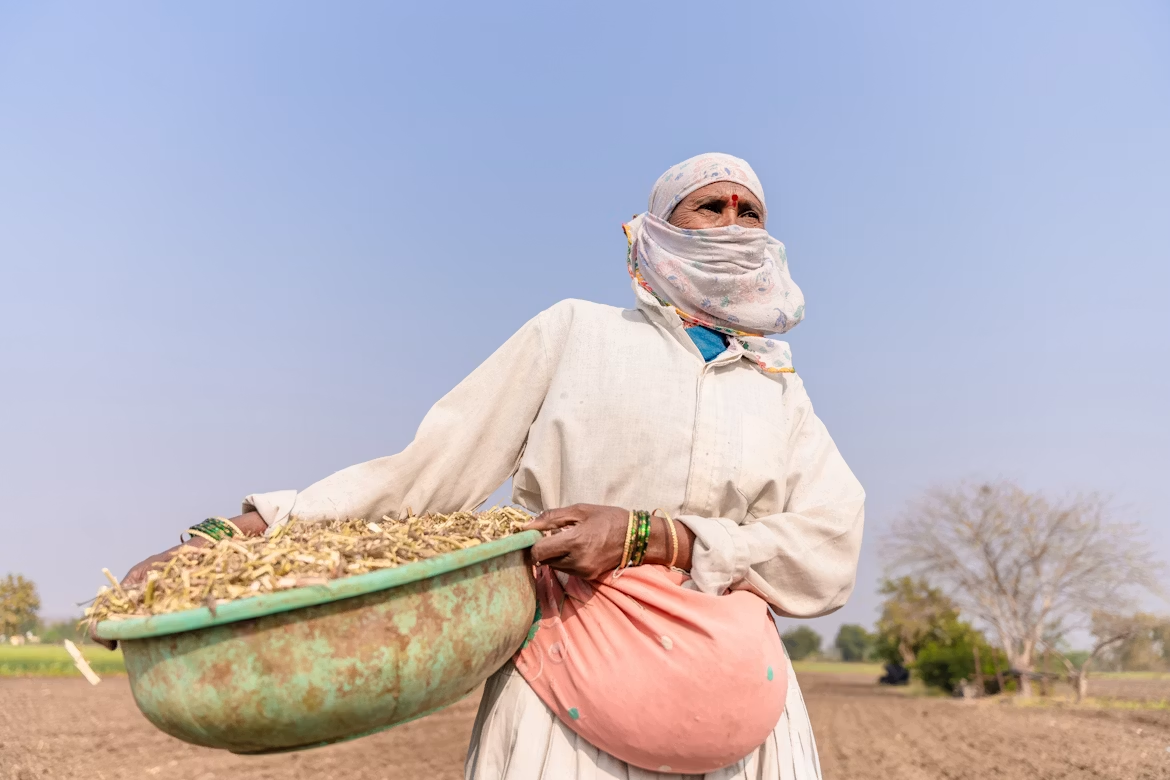
- Climate Change & Crop Yields
Extreme weather events, shifting precipitation patterns, and rising temperatures are eroding agricultural productivity. Heat‑stressed cereals, drought‑prone regions, and increased pest pressure threaten the reliability of harvests, making climate‑resilient farming practices an urgent priority.
- Supply‑Chain Vulnerabilities
From farm to fork, food travels through intricate logistics networks. Disruptions—whether caused by geopolitical tensions, pandemic‑related lockdowns, or transportation bottlenecks—can quickly turn regional shortages into global scarcity, inflating prices and undermining food access.
- Food Waste and Distribution Gaps
Approximately 1.3 billion tons of food are lost or wasted each year, according to the FAO. Inefficient storage, inadequate processing facilities, and uneven market access amplify the gap between production and consumption, especially in low‑income regions.
- Policy & Investment Hurdles
Effective food‑security strategies require coordinated policy frameworks, robust public‑private partnerships, and sustained investment in research and infrastructure. Yet, funding shortfalls, fragmented regulations, and limited access to credit for smallholder farmers hinder progress.
Moving Forward
Addressing these challenges demands integrated solutions: climate‑smart agriculture, digital supply‑chain analytics, waste‑reduction technologies, and inclusive policies that empower small producers. By tackling each obstacle head‑on, the global community can build a resilient food system that feeds every person, today and tomorrow.