The Hidden Price Tag: Investigating the True Cost of Fast Food
We’ve all been there: it’s 6:00 PM, you’re exhausted, and the neon glow of a drive-thru sign promises a quick, cheap solution to dinner. For just a few dollars, you get a hot meal in minutes.
But while the price on the menu board is low, is fast food actually cheap? When we dig beneath the surface, the "true cost" of our convenient dining habits reveals a much steeper bill.
The most immediate impact is on our physical health. Fast food is engineered for hyper-palatability, loaded with sodium, saturated fats, and refined sugars.
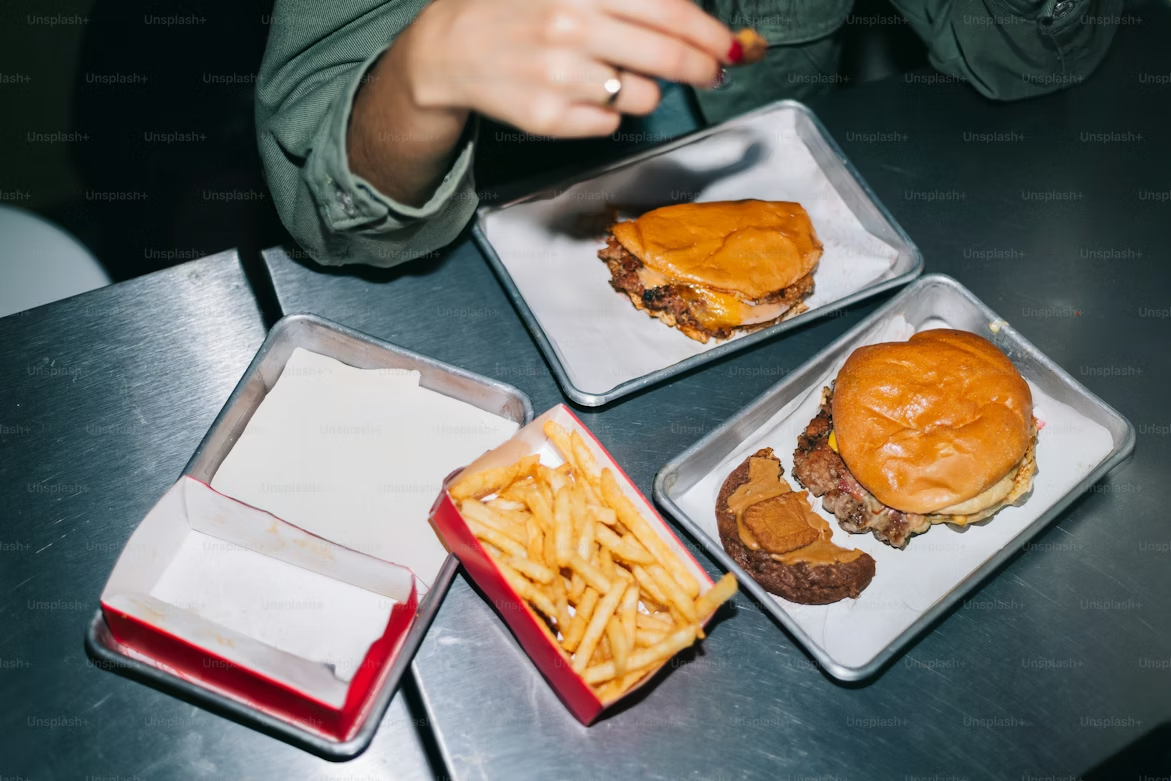
Regular consumption is scientifically linked to increased risks of heart disease, obesity, and type 2 diabetes. The "cost" here isn’t just the cash spent at the register; it’s the long-term expenditure on healthcare, medications, and a reduced quality of life.
Beyond our personal health, there is the environmental toll. The fast-food industry is a massive contributor to greenhouse gas emissions, deforestation, and water consumption.
The industrial farming required to produce cheap, mass-market meat depletes soil health and relies heavily on pesticides and antibiotics. When you factor in the massive waste generated by single-use plastics and packaging, the environmental "bill" is staggering.
Finally, there is the economic complexity of the labor force. The affordability of fast food often relies on suppressed wages for service workers, many of whom rely on public assistance to make ends meet.
We are essentially subsidizing the low prices of our burgers through our tax dollars, which support the social programs that fill the gap left by inadequate corporate wages.
Next time you pull up to the window, remember: the price you pay is only a fraction of the story. True value isn’t always found in convenience. By choosing whole, sustainably sourced foods, we pay a higher price upfront—but we invest in a healthier future for ourselves and the planet.