Optimizing Production with a Food Processing Machine
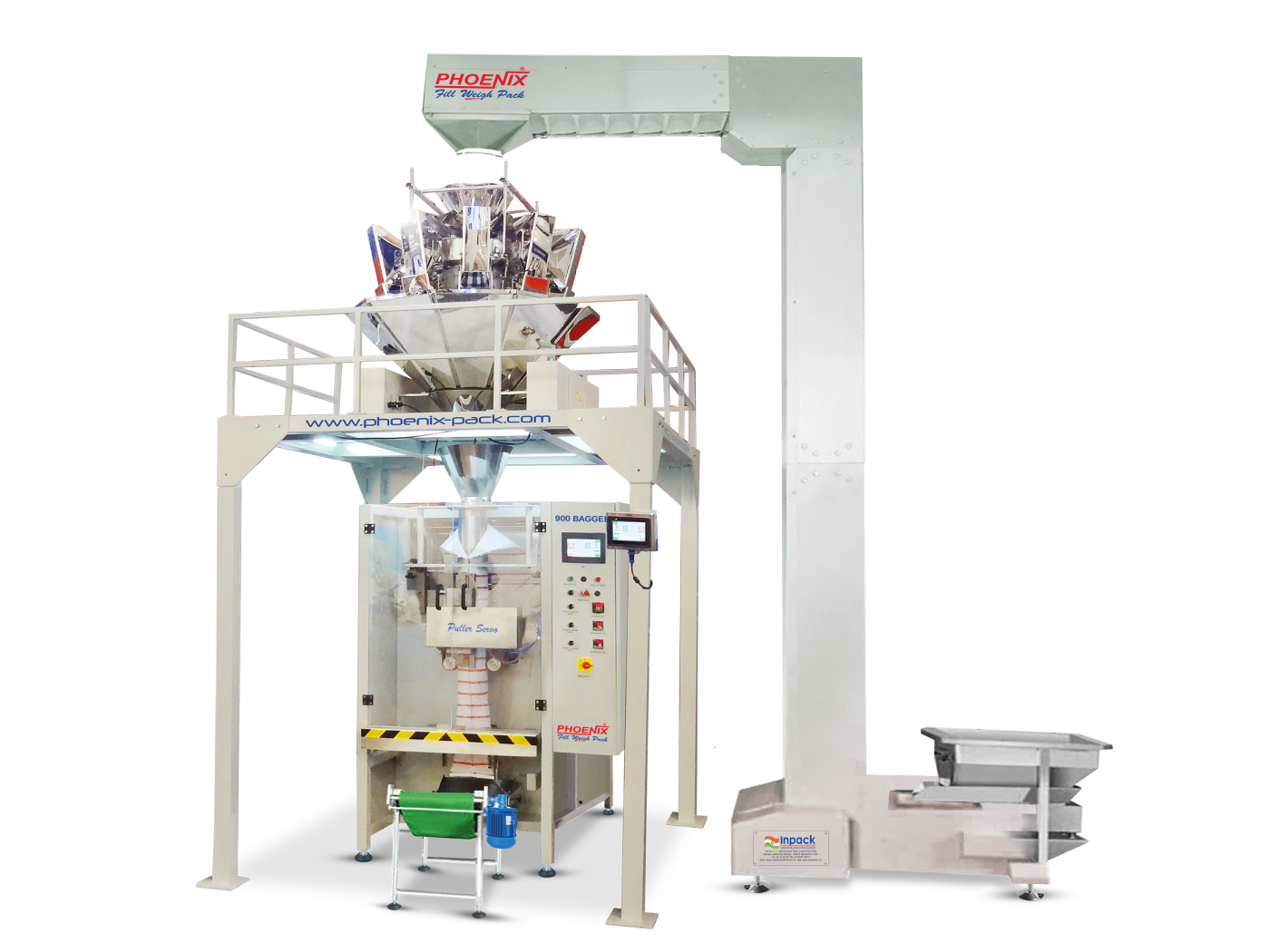
Maintaining total consistency while racing to meet strict delivery timelines strains even the most well-run manufacturing floors. Consumer brands across the globe face identical operational hurdles daily. Rising labor costs, sudden material waste, and stringent sanitary mandates pressure bottom lines constantly. To survive and scale sustainably in this cutthroat marketplace, your factory floor must transition away from slow, manual, or semi-automated lines. Investing in an engineered, industrial-grade food processing machine completely transforms your processing throughput, protects delicate flavors, and locks in immense commercial value.
Bespoke automation provides modern manufacturing lines with structural predictability. When your raw ingredients pass through an optimized processing sequence, every variable remains tightly regulated. This meticulous level of operational oversight dramatically minimizes product giveaway, reduces human error, and optimizes yield per batch. Adopting an automated workflow is no longer an optional luxury for growing enterprises. It serves as the definitive baseline for high-volume commercial survival.
The Strategic Importance of Automation in Modern Food Processing
Manual food production introduces too many points of failure into your supply chain. Relying on human hands to slice, mix, weigh, and fill raw ingredients leads to costly batch variations. These inconsistencies frustrate consumer expectations and damage brand equity. An automated processing setup replaces human variability with predictable, mechanical execution.
Furthermore, manual labor presents serious occupational health risks when processing intense or abrasive materials like whole spices and fine powders. Dust inhalation strains workers, leading to high turnover and frequent, costly line shutdowns. Automating your initial material handling, blending, and size-reduction phases isolates your workers from harsh operating conditions. Your floor achieves a clean, continuous production loop that runs comfortably for multiple shifts without unexpected stoppages.
[Raw Bulk Materials]
│
▼
[Processing Node] ──► (Automated Blending & Size Reduction)
│
▼
[Dosing Node] ──► (Precise Weighing & Auger Filling)
│
▼
[Packaging Node] ──► (Gas Flushing & High-Speed Sealing)
Maximizing Operational Efficiency with a Fully Automatic Food Packaging Machine
Once your raw ingredients pass cleanly through the processing stage, the secondary phase demands equal precision. Splicing a fully automatic food packaging machine directly into your production line prevents costly operational bottlenecks. If your processing room outputs bulk product faster than your wrapping line can secure it, your entire facility suffers from trapped efficiency.
An integrated, fully automatic food packaging machine handles the entire back-end workflow without requiring human intervention. The equipment forms the pouch, dispenses the exact product weight, flushes out residual oxygen, and applies an airtight seal in one continuous split-second motion. This high-speed synchronization eliminates the transitional downtime that often spoils fresh ingredients. By keeping your product moving rapidly from processing to final sealed pouch, you achieve a highly profitable, unified manufacturing system.
Addressing Global Demands: Spices Filling Machine India Solutions
The global appetite for authentic, highly aromatic spices is growing at an incredible rate. However, spice processors face unique packaging hurdles due to the volatile nature of the product. Fine ground powders are dusty, prone to clumping, and lose their essential oils rapidly when exposed to open air. To capture this lucrative international market, processors require a targeted spices filling machine india manufacturers rely on for heavy-duty, dust-tight execution.
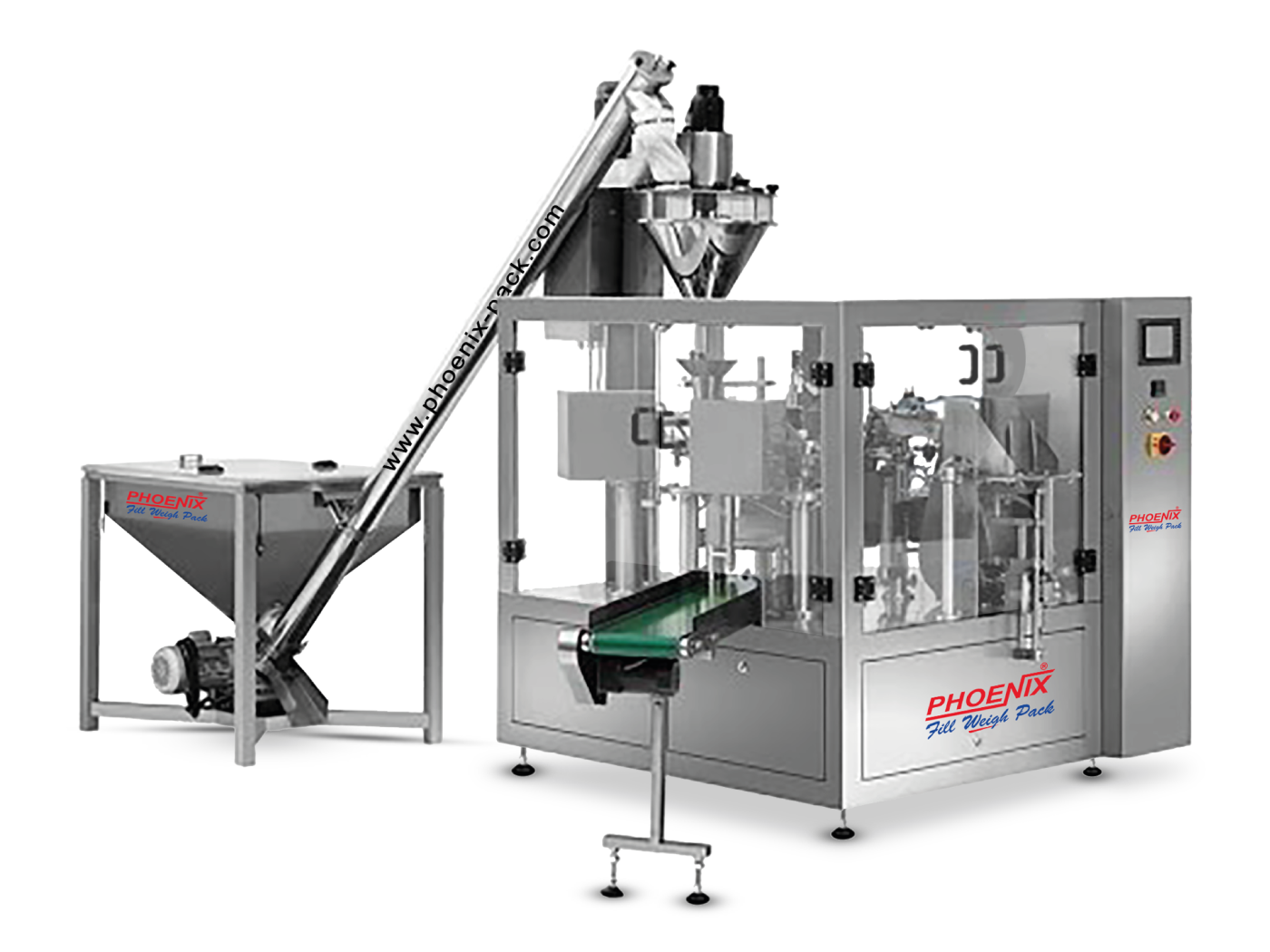
Finely ground chili, turmeric, and masala powders will quickly jam standard volumetric cup fillers. Dusty environment conditions clog open mechanical slides and interfere with delicate optical sensors. Specialized powder filling systems overcome this challenge by utilizing enclosed vertical auger screws.
The heavy-duty auger rotates a precise number of times inside a sealed funnel, driving the exact weight of dust-prone powder down into the pouch without releasing airborne clouds into your facility. This dust-tight containment shields your factory environment from irritation, protects workers’ respiratory health, and saves thousands of dollars in lost product weight over a standard operational year.
Preserving Product Shelf Life with a Commercial Vacuum Sealer
For delicate protein processors, cheese manufacturers, and bulk nut exporters, oxygen exposure is the ultimate enemy. Residual air trapped inside a sealed pouch accelerates bacterial growth, turns healthy oils rancid, and ruins product crispness long before the cargo reaches supermarket shelves. Integrating an industrial vacuum sealer into your end-of-line packaging setup completely neutralizes this threat.
The machinery clamps the filled pouch securely, extracts every trace of ambient air from the internal atmosphere, and instantly applies a thick, deep-set thermal seal. For exceptionally fragile foods like potato chips or roasted coffee beans, the system can replace the oxygen with a precise blast of clean nitrogen gas right before sealing.
This modified atmosphere packaging (MAP) technique cushions the contents against physical bruising during long-distance transit while stopping oxidative staling in its tracks. Your distributors receive a pristine, shelf-stable product that retains its rich flavor profiles for months.
Strict Hygiene Compliance and Material Standards
Investing in food processing infrastructure requires absolute confidence in material quality and sanitary engineering. You cannot afford to cut corners on food safety regulations. Leading manufacturing plants must strictly adhere to global hygienic standards to prevent hazardous batch contamination and passing international regulatory audits easily.
The Role of Marine-Grade Stainless Steel
Every single component of a commercial processing line that comes into direct contact with your food product must be constructed from premium, non-reactive materials. Trusted equipment utilizes high-grade SUS304 or marine-grade SUS316 stainless steel. These specialized metals completely resist pitting corrosion from acidic ingredients, salty brines, and aggressive chemical washdowns. The ultra-smooth, polished surfaces prevent microscopic food particles from lodging in cracks, eliminating dangerous bacterial breeding grounds like Listeria or Salmonella.
Clean-in-Place (CIP) Architecture
Modern equipment designs prioritize minimal manual cleaning downtime. Utilizing Clean-in-Place (CIP) architecture allows your operators to sanitize internal product lines, pumps, and filling nozzles thoroughly without completely dismantling the machinery. Automated sanitation cycles pump hot water and food-safe sanitizing agents directly through the enclosed system. This standardized process ensures flawless cleanliness, reduces labor overhead, and transitions your line from one product recipe to another with minimal operational delay.
Why Global Brands Choose Phoenix Pack for Processing and Packaging Lines
Selecting your industrial machinery partner is a long-term commercial decision. You need an established manufacturer that couples advanced engineering capabilities with reliable regional technical support. For over two decades, Phoenix Pack (operated under Phoenix Dison Tec LLC) has served as a trusted cornerstone of processing, filling, and packaging innovation across the UAE and the wider GCC region.
PHOENIX PACK REGIONAL footprint & TRUST
┌─────────────────────────────────────────────────────────────┐
│ 📍 Established: 1999 (Over 25 Years of Industry Expertise) │
│ 🏭 Location: Sharjah, UAE (Serving GCC, India, & East Asia) │
│ ⚙️ Core Focus: Filling, Packaging, & Precision Weighing │
│ 🛠️ Support: Comprehensive AMC & Readily Available Spares │
└─────────────────────────────────────────────────────────────┘
Established in 1999 by Mr. Sami Syed under the name Dison Tec LLC, the brand has built a stellar reputation for assembling and distributing premium industrial machinery. Operating directly out of Industrial Area №13 in Sharjah, UAE, Phoenix Pack designs state-of-the-art systems built specifically to thrive under demanding factory workloads.
We do not just drop an empty machine on your factory floor and disappear. We specialize in providing complete, turnkey manufacturing systems tailored precisely to your specific product viscosity, target packaging volumes, and daily output goals.
Our deep commitment to your long-term operational success is backed by highly responsive technical teams, comprehensive Annual Maintenance Contracts (AMC), and an extensive inventory of genuine spare parts located right here in the region. We actively minimize your mechanical downtime, ensuring your high-volume production lines continue moving smoothly year after year.
Frequently Asked Questions
What material grades are utilized in a Phoenix Pack food processing machine?
Every food contact component is manufactured from premium SUS304 or marine-grade SUS316 stainless steel. These high-end materials resist acidic corrosion, stop chemical degradation during cleanings, and prevent bacterial accumulation, ensuring complete compliance with international food safety standards.
Can a fully automatic food packaging machine handle multiple pouch sizes?
Yes, modern automated packaging lines feature highly modular designs. Your operators can swiftly swap out forming collars, adjusting sealing jaw parameters via an intuitive digital touchscreen control panel to transition between different bag dimensions with minimal downtime.
How does a spices filling machine india design handle dusty fine powders?
Specialized powder fillers utilize fully enclosed vertical auger dosing systems. The ground spice powder moves through a completely sealed hopper and funnel environment, keeping airborne dust out of your factory air, protecting worker safety, and stopping raw material waste.
What are the primary maintenance requirements for a commercial vacuum sealer?
Routine maintenance involves checking the condition of the Teflon sealing strips, inspecting the vacuum pump oil levels, and cleaning the silicone pressure pads daily. Phoenix Pack provides comprehensive maintenance support and rapid access to spare wear-parts to keep your line running cleanly.
Are Phoenix Pack machines suitable for small-scale FMCG startups?
Absolutely. We offer a highly versatile range of equipment, spanning from compact semi-automatic systems ideal for growing boutique brands to fully integrated, multi-lane automated production lines designed for massive enterprise manufacturing plants.
Conclusion
Upgrading your production floor with an automated manufacturing lineup protects your product quality, protects your profit margins, and secures long-term business growth. Relying on slow, outdated processing and packing workflows leaves your brand highly vulnerable to costly batch errors, product giveaway, and sudden regulatory compliance failures. Partnering with an experienced industrial machinery leader ensures your business can scale output confidently without ever sacrificing the rich aromas and flavors that your customers love.
Optimize Your Production Line Today
Stop letting mechanical downtime and manual bottlenecks limit your company’s growth. Secure a highly optimized, custom-engineered processing or packaging layout designed specifically for your unique commercial needs.
Contact the Phoenix Pack expert engineering team today to schedule a personalized technical consultation, request an accurate quote, or arrange a live equipment demo at our regional facility. Let us help you transform your manufacturing facility into a highly efficient, highly profitable production powerhouse.