Where the Forest Was a Temple Before a Monastery
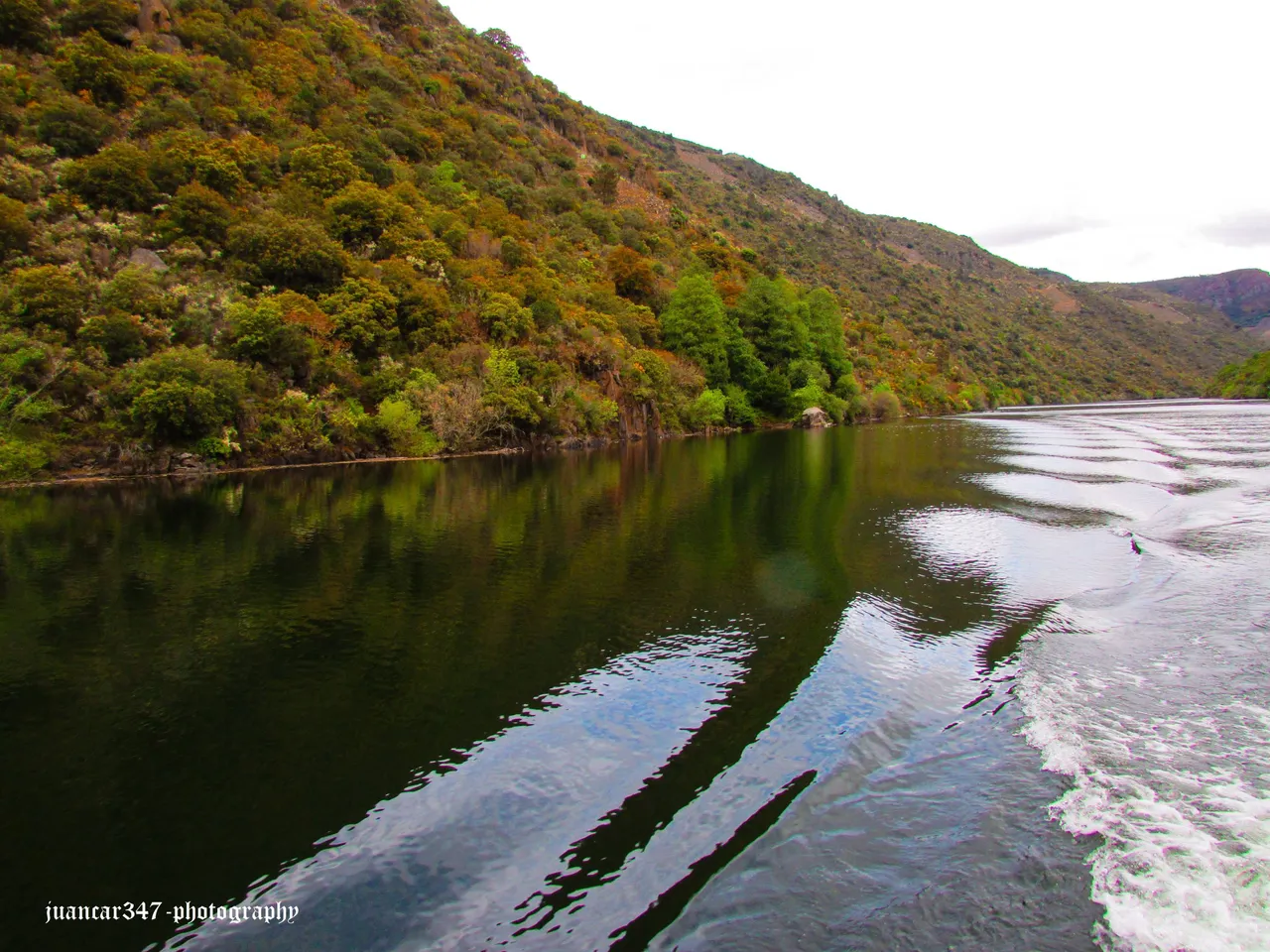
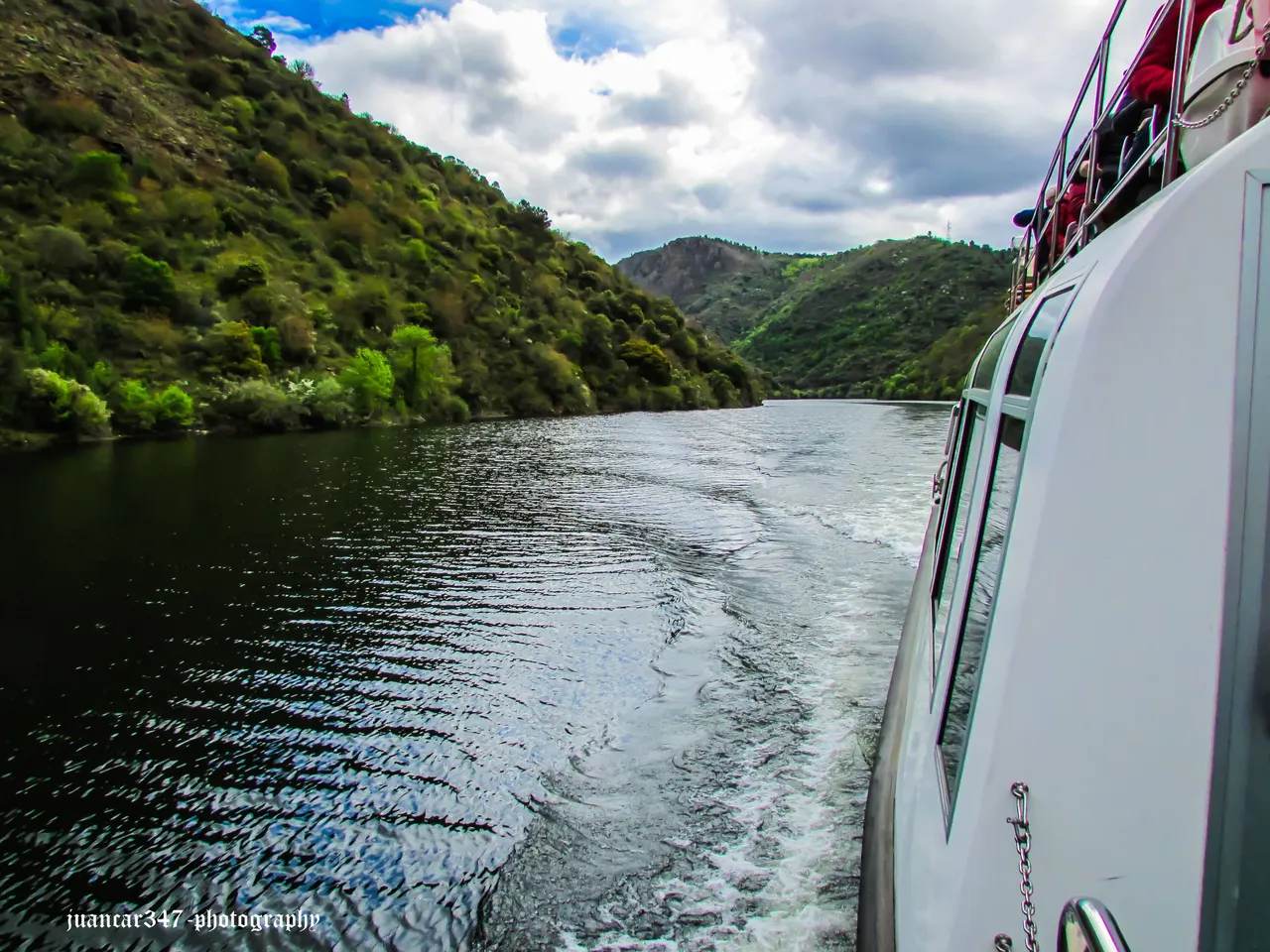
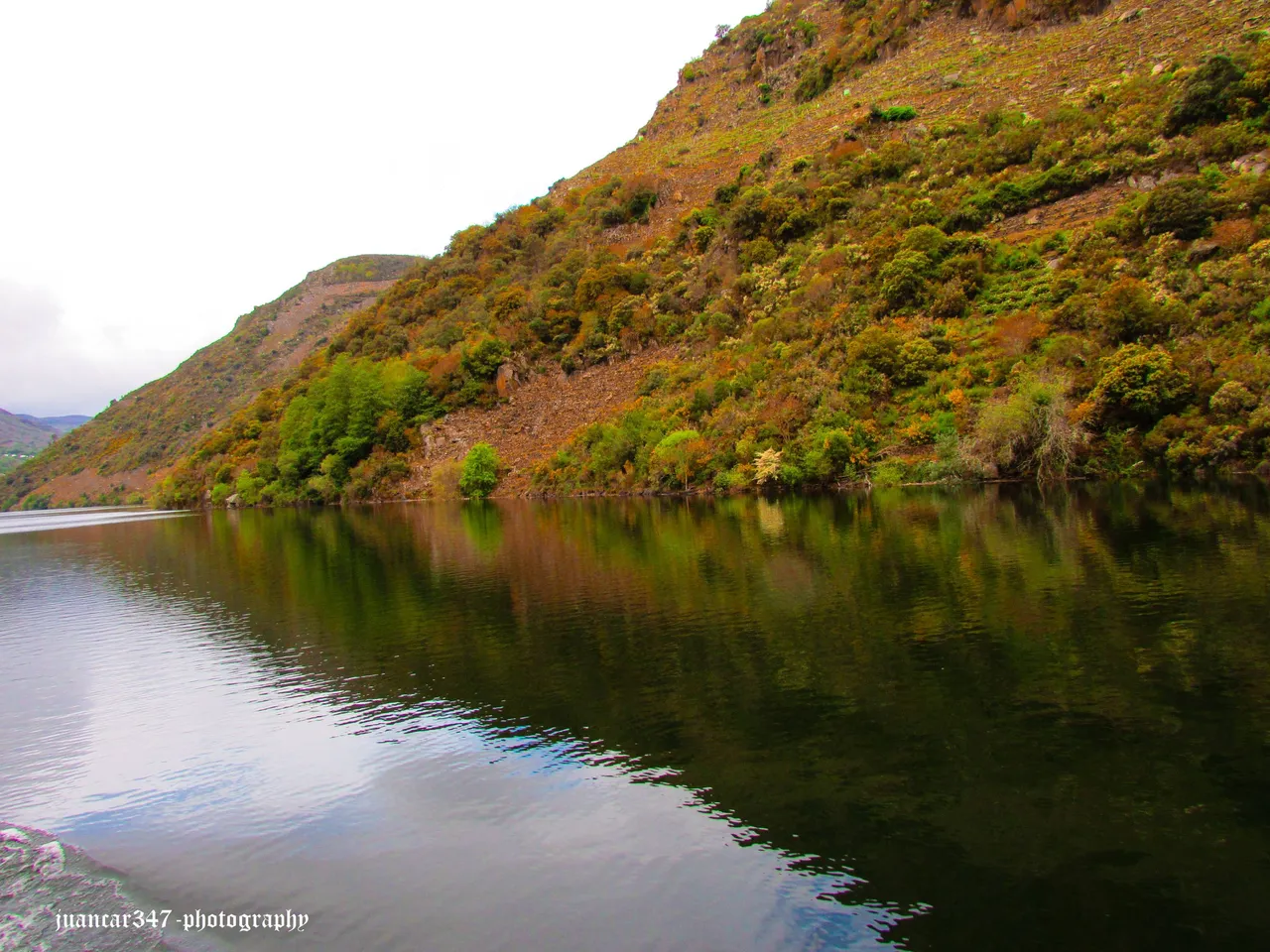
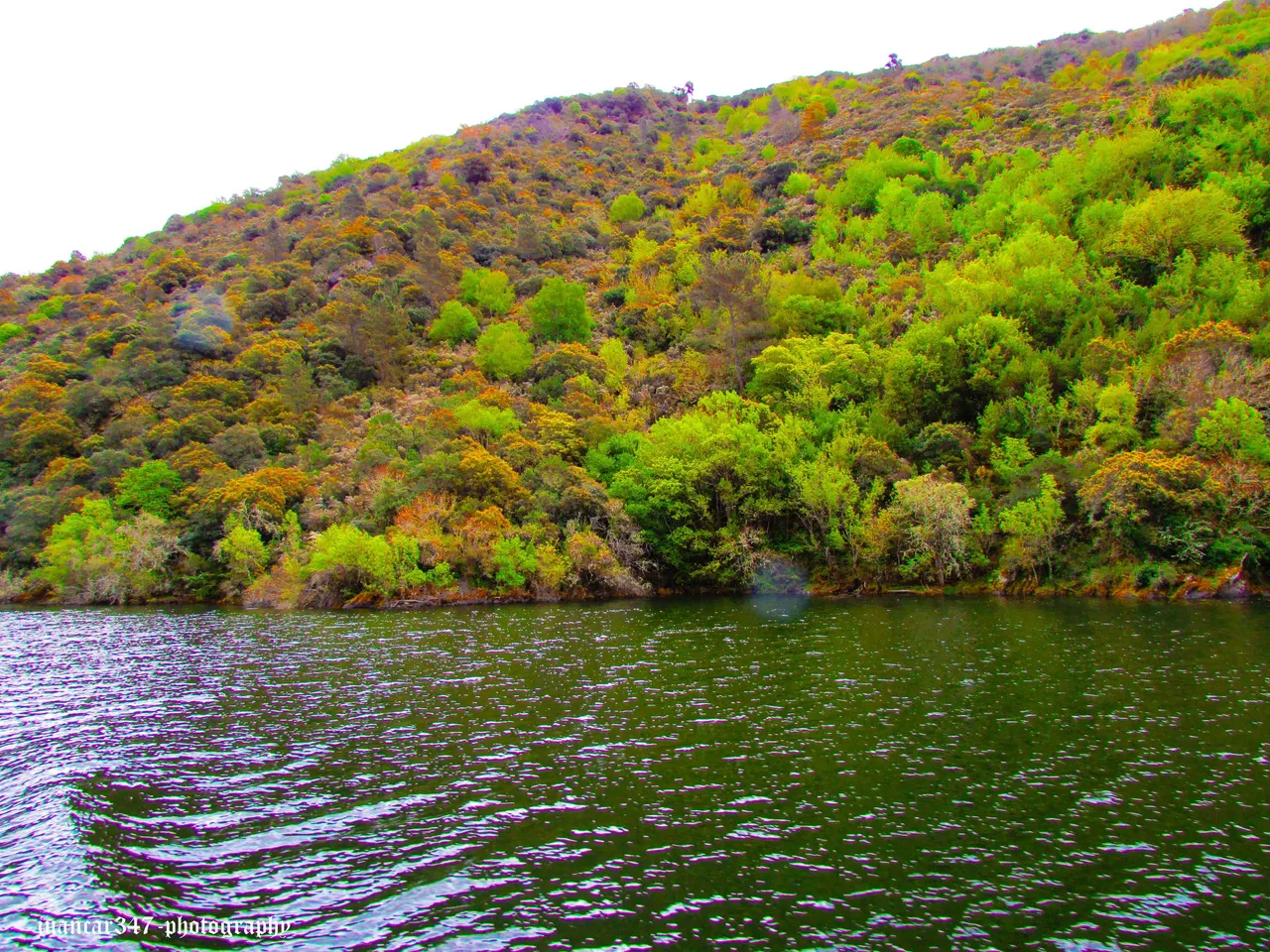
Galicia, besides being a mythical land, also remains a natural paradise, where the mysterious Celtic culture took root with the strength of the roots of its ancient oak groves, vast areas among whose picturesque footlights the Druids gathered sacred mistletoe with their precious golden sickles and celebrated their enigmatic rites in secret ceremonies that not even Christian evangelizers, with all their penetration, were ever able to completely eradicate.
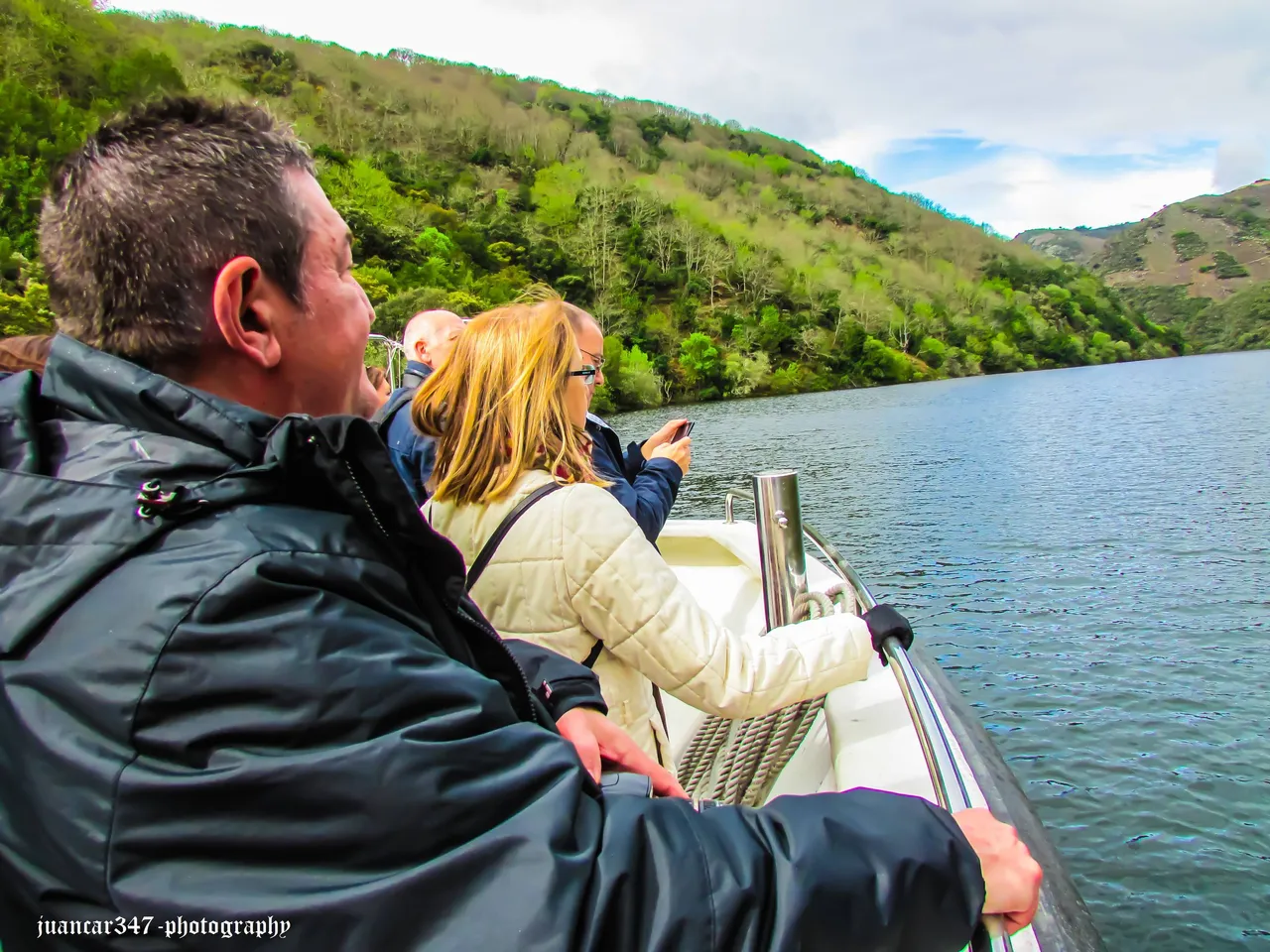
One of the most privileged areas, whose lush idiosyncrasy was the perfect matrix for work, silence, and a contemplative life, was this area of charismatic beauty, where two of its main communities, Lugo—in whose roots we observe the permanence of one of the most powerful deities of the Celtic Olympian pantheon, Lug—and Orense, are united by the fusion of two legendary rivers: the Sil, which brings the water, and the Miño, which, as they say, brings fame.