Crown Imperial : The Regal Bell‑Shaped Bloom That Rules Autumn Gardens
When the first frosts start to lace the garden, most perennials are already retreating, but one striking plant steps onto the stage with a flourish of regal pomp: the Crown Imperial.
Known scientifically as Fritillaria imperialis and affectionately called “the Imperial Crown,” this bulbous marvel has been captivating gardeners and botanists alike for centuries. Below, we explore why this exotic bloom deserves a place in your autumn planting plan.
A Brief Botanical Portrait
Fritillaria imperialis belongs to the lily family (Liliaceae) and hails from the rugged highlands of the Middle East—most notably Iran, Iraq, and Turkey. The plant grows 3–4 ft (90–120 cm) tall, topped by a dense, helmet‑shaped inflorescence of 15–30 pendulous, bell‑like flowers.
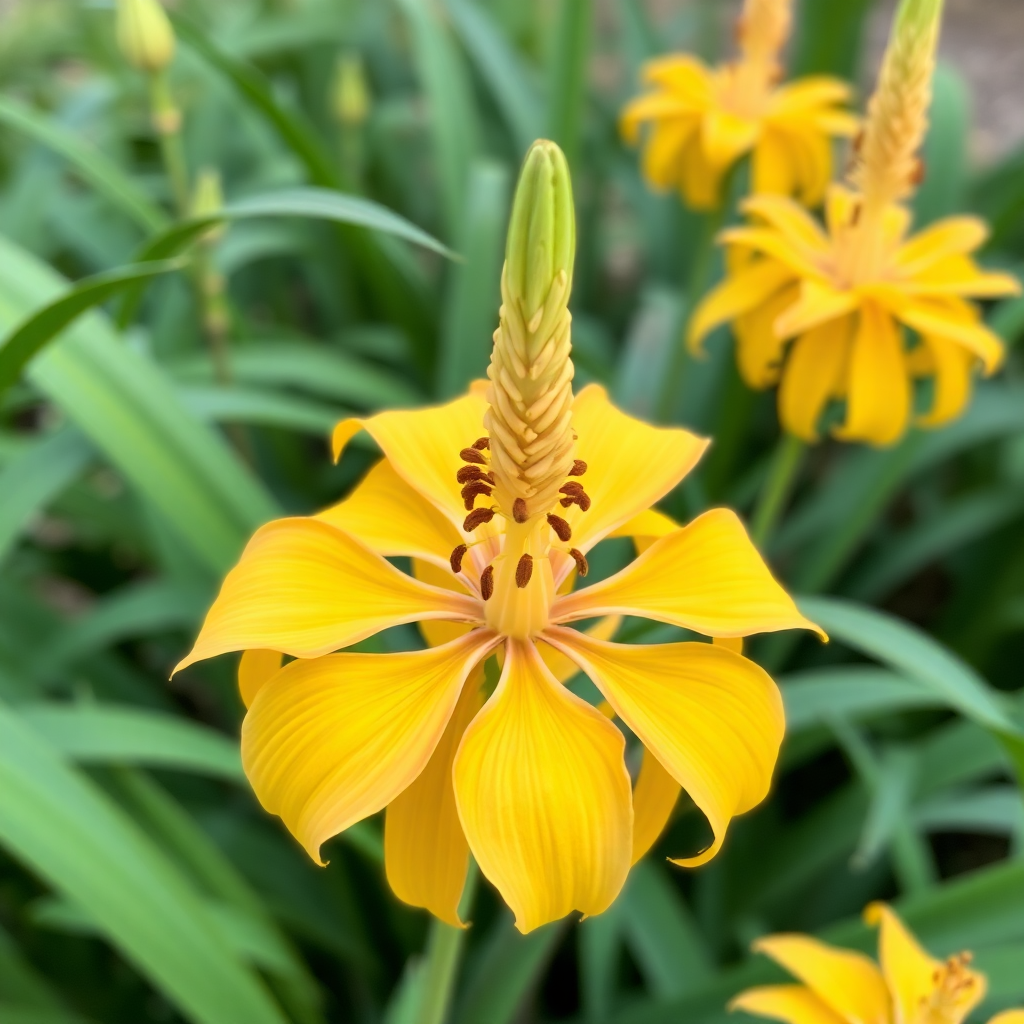
Each flower is a vivid orange‑red to deep copper, rimmed with a contrasting dark blotch that resembles a tiny crown. The whorls of bright scarlet bracts that sit just below the blossoms amplify the “crown” illusion, giving the species its iconic name.
History & Symbolism
The Imperial Crown has long been associated with power and protection. Ancient Persian folklore claimed that the flower could ward off evil spirits, while Ottoman poets likened its radiant “crown” to the glory of a just ruler. In the Victorian language of flowers, the Crown Imperial symbolized “nobility” and “royal favor,” making it a popular motif in garden designs meant to convey prestige.
Growing the Imperial Crown
Climate & Site – This hardy bulb prefers a Mediterranean climate—cool, dry winters and warm, sunny summers. In temperate zones, plant the bulbs in late autumn (October–November) to allow them a chilling period that stimulates blooming. Choose a spot with full sun to partial shade; the flowers love light, but a few hours of afternoon shade can protect them from scorching heat.
Soil – Well‑draining, loamy soil enriched with organic matter works best. A gritty mix of garden compost, sand, and a handful of pine bark ensures the bulbs won’t sit in water, a common cause of rot.
Planting Depth – Bury the bulbs 6–8 inches (15–20 cm) deep, tip first, and space them 12 inches (30 cm) apart. A layer of mulch helps maintain winter moisture while preventing frost heave.
Water & Fertilizer – Keep the soil evenly moist until shoots appear, then reduce watering. A balanced, slow‑release fertilizer applied in early spring supports robust foliage growth, which in turn fuels a spectacular flower spike in late autumn.
Garden Uses & Design Tips
Because the Crown Imperial blooms when most other perennials have faded, it provides a dramatic splash of colour against a backdrop of amber foliage. Plant it in groups of three or five for maximum visual impact, or use it as a striking focal point in a rock garden, container, or even a formal border. The tall, upright habit also works well as a natural back‑stop behind lower‑growing plants such as ornamental grasses or autumn asters.
Care After Bloom
Once the flamboyant flowers fade, allow the foliage to yellow naturally. This process lets the plant photosynthesize and store energy in the bulb for next year’s display. Remove any dead leaves only after they have turned completely brown.
Final Thought
The Crown Imperial is more than an ornamental curiosity; it’s a botanical tribute to resilience and grandeur. With a little preparation and respect for its native climate, you can enjoy its majestic “crown” year after year, turning the autumn garden into a royal court of colour. Give this historic bloom a spot in your planting calendar, and watch nature bestow its own aristocratic elegance on your landscape.
Wow, what a beautiful rose! Its yellow color is gorgeous. I can't resist roses and flowers; their scents are so refreshing and lovely. Thank you, brother, for this wonderful post. Best of luck to everyone.