The Enchanting Columbine: A Garden’s Hidden Gem
If you’ve ever wandered through a meadow or explored a well‑tended border and felt a sudden “wow” at the sight of delicate, bell‑shaped blooms swaying in the breeze, you were likely looking at a columbine (genus Aquilegia). Though modest in size, this perennial packs a punch of color, history, and ecological value—making it a must‑have for both novice gardeners and seasoned horticulturists.
A Quick Botanical Portrait
Columbines belong to the Ranunculaceae (buttercup) family and comprise over 70 species native to temperate regions of the Northern Hemisphere. The most common garden variety, Aquilegia vulgaris (European columbine), boasts upright stems 30–60 cm tall, each tipped with a cluster of five sepals that look like tiny petals.
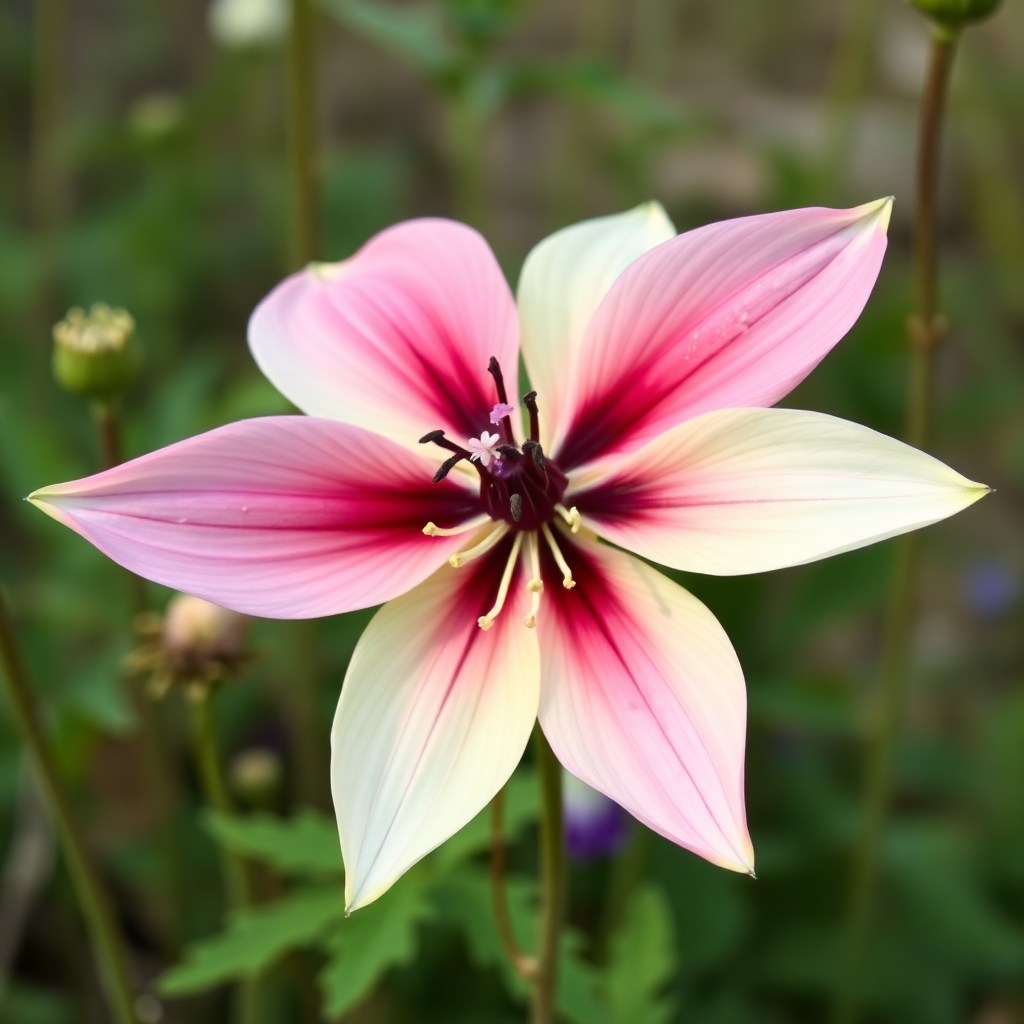
The true flowers are the elegant, tubular spurs that project from the center, each containing nectar that attracts pollinators with a specialized feeding apparatus. Colors range from classic blue‑violet and pristine white to vibrant reds, pinks, and even bi‑colored “double” forms that have been selectively bred for ornamental use.
Symbolism & Cultural Roots
The name “columbine” derives from the Latin columba—meaning “dove”—because the flower’s shape was thought to resemble a cluster of dove heads in flight. In the language of flowers, columbine conveys a mix of faith, hope, and sacred love, making it a popular choice for wedding bouquets and memorial arrangements.
Historically, herbalists prized the plant for its purported medicinal properties, using decoctions to treat fevers and digestive ailments—though modern science advises caution, as some species contain mild toxins.
Growing Tips for a Thriving Display
Location & Soil – Plant columbines in a spot that receives partial shade to full sun. They thrive in well‑drained, loamy soil enriched with organic compost. Avoid heavy, water‑logged grounds; soggy roots can lead to rot.
Planting Depth – Space plants 30–45 cm apart to allow air circulation, and set the root ball at the same depth it was in the nursery pot.
Watering – Keep the soil consistently moist during the first season to establish a strong root system. Once established, they tolerate brief dry spells.
Fertilizing – A light application of balanced (10‑10‑10) fertilizer in early spring is sufficient. Over‑fertilizing can diminish the intensity of the flower colors.
Deadheading & Division – Snip spent blooms to encourage a second flush later in the season. Every 3–4 years, dig up and divide clumps in early autumn to rejuvenate growth and prevent overcrowding.
Ecological Benefits
Beyond aesthetics, columbines serve as a vital food source for native pollinators. Their elongated spurs cater specifically to long‑tongued bees, hummingbirds, and butterflies, fostering biodiversity within garden ecosystems. Moreover, the plant’s self‑seeding habit ensures a natural, low‑maintenance ground cover that discourages invasive weeds.
Design Ideas
Rock Gardens & Alpine Walls – The compact habit of dwarf varieties like A. caerulea adds delicate texture among stones.
Mixed Borders – Pair columbine with shade‑loving perennials such as hostas, ferns, or astilbes for a layered, year‑round display.
Containers – Because the root system is relatively shallow, columbines thrive in large pots; choose a bright, contrasting pot to showcase their pastel hues.
Whether you’re seeking a splash of color, a pollinator magnet, or a flower steeped in poetic symbolism, the columbine delivers on all fronts. With minimal care and a little patience, this unassuming bloom can become the quiet star of your garden—reminding us that even the smallest flowers can carry the most profound stories. Happy planting!