Aconite Flowers: Beauty Wrapped in a Lethal Embrace
When spring unfurls its palette across the garden, few blooms captivate the eye quite like the delicate, hooded blossoms of the aconite (genus Aconitum). Known colloquially as monkshood, wolfsbane, or simply “aconite,” these flowers combine a regal elegance with a dark, almost mythic reputation.
In the span of a brief garden visit you’ll be drawn in by their sapphire‑blue, deep violet, or buttery yellow petals—then reminded, perhaps subconsciously, that every petal hides a potent secret.
A Quick Botanical Portrait
Aconite belongs to the Ranunculaceae family, the same lineage that houses buttercups and delphiniums. Native to the cool, mountainous regions of Europe, Asia, and North America, the plant thrives in moist, well‑drained soils and prefers partial shade—conditions that mimic its alpine origins.
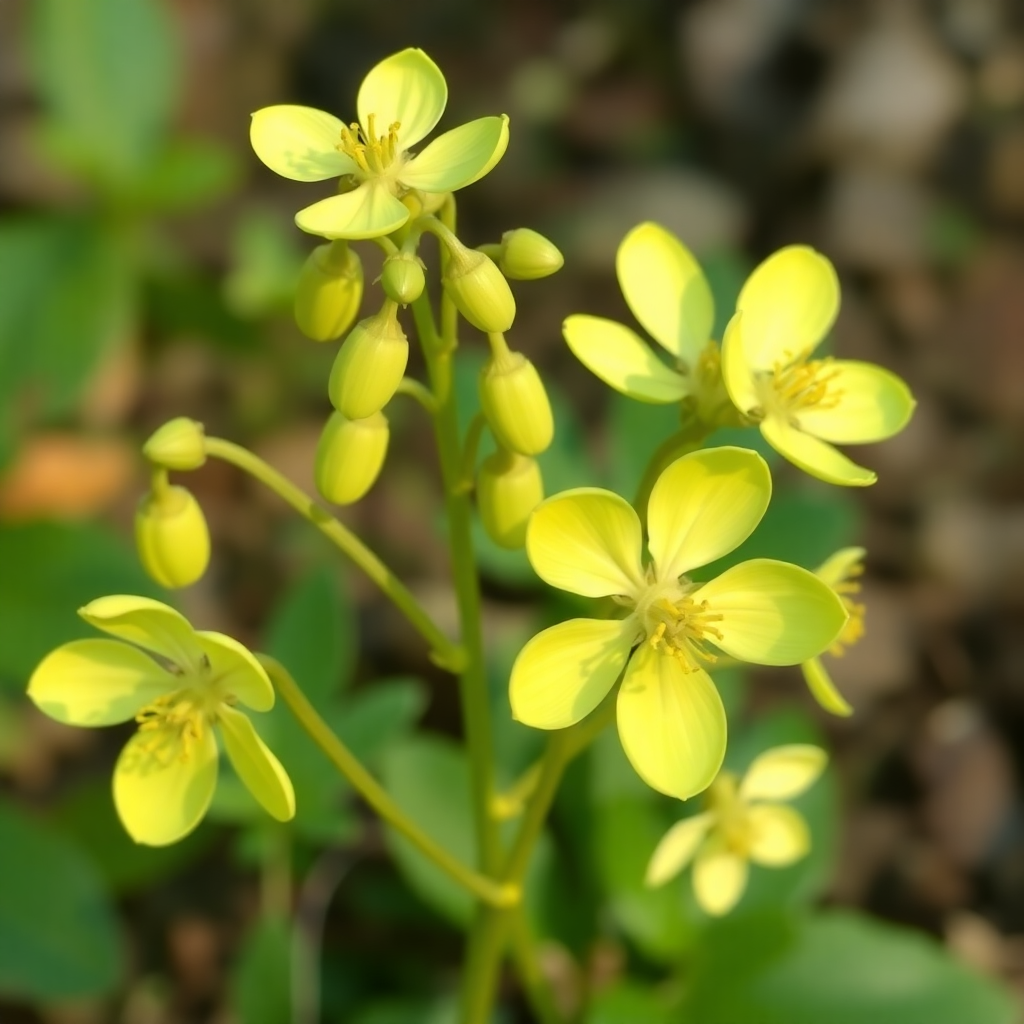
The flowers themselves are tubular, forming a distinctive “helmet” that hangs gracefully from a slender stalk. Their bloom period is relatively brief, typically stretching from late May to early July, making each appearance feel like a fleeting, high‑society affair.
Cultivation Tips for the Curious Gardener
Site Selection – Choose a spot with dappled sunlight; too much direct sun can scorch the foliage, while deep shade may stunt flowering.
Soil Preparation – Incorporate organic matter to improve drainage and maintain a slightly acidic pH (6.0–6.5).
Planting Depth – Set rhizomes or root divisions about 4–6 inches deep, spacing them 18–24 inches apart to allow air circulation.
Watering – Keep the soil consistently moist but never waterlogged; a mulch layer helps retain humidity.
Winter Care – In colder zones, a light mulch of straw or evergreen boughs offers protection from harsh freeze‑thaw cycles.
With these basics in place, the plant will reward you with a dramatic spike of color that can become the focal point of any shade garden.
The Dark Side of Beauty
While the visual allure of aconite is undeniable, the plant’s chemistry tells a cautionary tale. Every part—roots, stems, leaves, and especially the flowers—contains aconitine, a potent neurotoxin that interferes with sodium channels in the heart and nervous system.
Even a small ingestion can trigger numbness, cardiac arrhythmias, and in severe cases, respiratory failure. Dermal contact may cause tingling or burning sensations, so gloves are advisable when handling the plant.
Historically, this toxicity earned aconite a place in folklore as “wolf’s bane,” a poison allegedly used to fell wolves and, later, as a covert weapon in medieval assassinations.
Modern medicine, however, has turned the tables: controlled extracts of aconitine are being investigated for anti‑inflammatory and analgesic properties—though they remain strictly regulated.
Symbolism and Cultural Footprint
In the language of flowers, aconite conveys “beware” or “danger,” reflecting its poisonous nature. Yet there’s an underlying respect for its resilience and the way it thrives in adversity—qualities that have inspired poets and painters alike.
From the Renaissance canvases of Albrecht Dürer to contemporary garden design, aconite’s duality of elegance and peril continues to fascinate.
A Final Thought
If you decide to welcome aconite into your garden, treat it as you would a priceless, yet hazardous, artifact. Admire its striking blooms from a respectful distance, wear gloves when pruning, and keep children and pets well away.
In doing so, you’ll enjoy a slice of alpine mystique without courting the plant’s lethal legacy—a perfect reminder that nature’s most beautiful creations often come with a hint of danger.