Marguerite Daisies: The Cheerful Charmers of the Garden
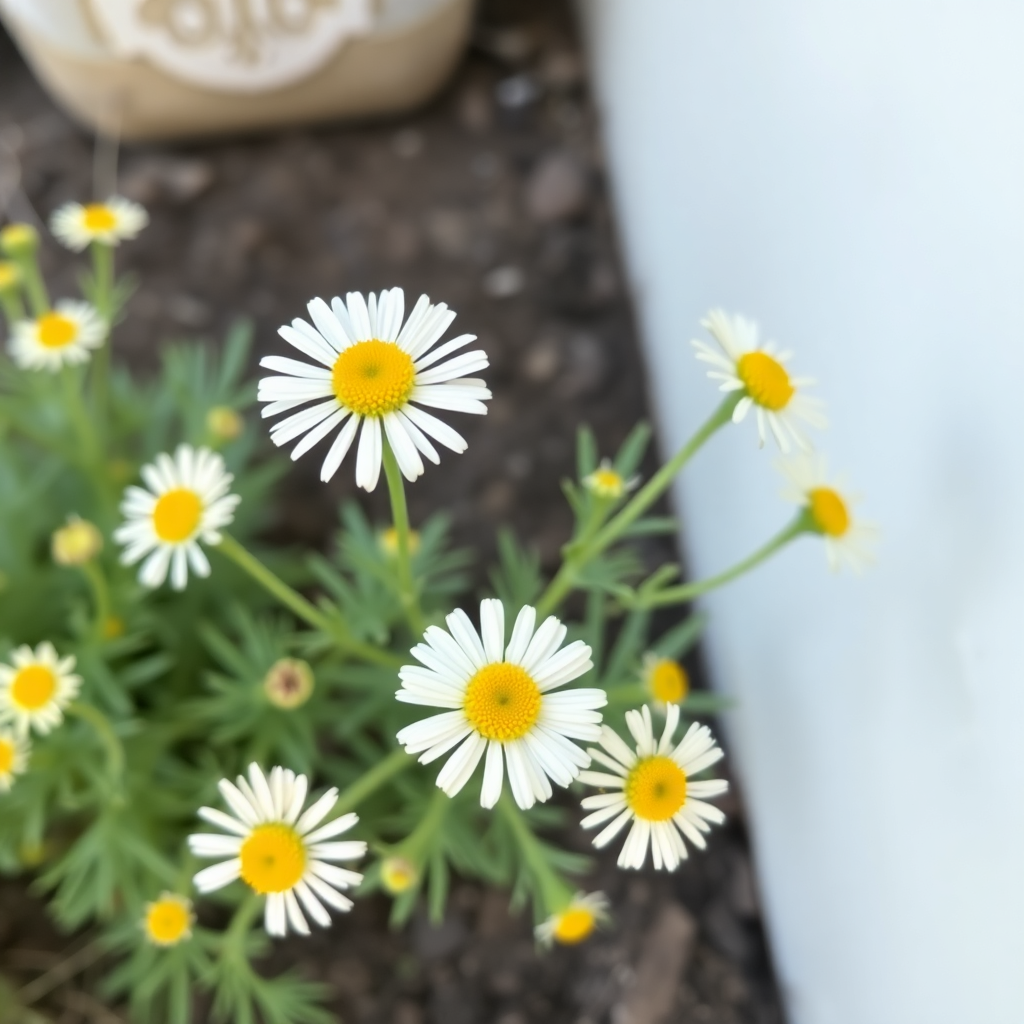
When you think of a classic, sun‑kissed flower, the daisy instantly springs to mind. Among the many varieties that share the familiar “white‑petaled, golden‑centered” look, the Marguerite daisy ( Argyranthemum frutescens ) stands out for its exuberant sprays, long blooming season, and effortless elegance.
Whether you’re a seasoned horticulturist or a budding balcony gardener, Marguerites deserve a spot in your planting plan. Below, we explore what makes these blossoms so beloved, how to grow them, and the little stories that add extra sparkle to their already radiant reputation.
A Brief Botanical Snapshot
Marguerite daisies belong to the Asteraceae family, the same lineage that includes chrysanthemums, sun‑flowers, and asters. Native to the coastal cliffs of the Canary Islands, the plant evolved to tolerate salty breezes and poor, well‑drained soils—traits that translate into an impressive drought‑resistance for garden use.
The shrub‑like habit produces woody stems that can reach 18‑24 inches tall, while the foliage remains a soft, silvery‑gray, providing a subtle backdrop for the vivid flower heads.
Blooming Brilliance
One of the most enticing qualities of Marguerite daisies is the sheer duration of their display. From early summer through the first frosts, individual plants continually produce clusters of 30‑plus flower heads, each about 2‑3 inches across.
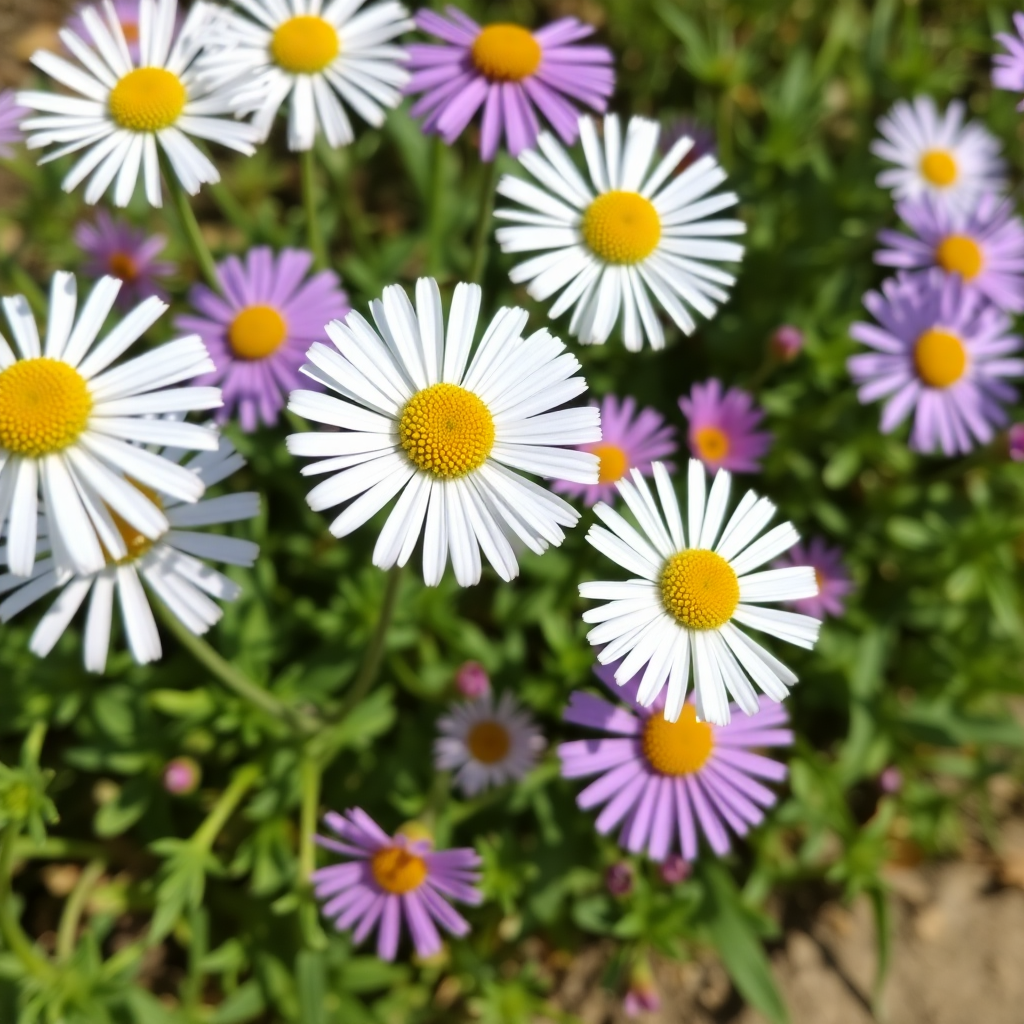
While the classic form showcases white ray petals surrounding a golden disc, modern cultivars have expanded the palette to include pink, lavender, and even deep burgundy. This variety allows designers to craft monochrome drifts or striking color contrasts in mixed borders.
Symbolism & Culture
In the language of flowers, the daisy traditionally conveys innocence, purity, and loyal love—traits that have kept it a favorite in wedding bouquets and children’s garlands for centuries.
The specific “Marguerite” name, derived from the French word for “daisy,” also evokes the literary figure Marguerite in Victor Hugo’s Les Misérables, who is associated with optimism amid hardship—an apt metaphor for a flower that thrives in challenging conditions.
Growing Tips for a Flourishing Bed
| Aspect | Recommendation |
|---|---|
| Sunlight | Full sun (6‑8 hrs). Tolerates light shade but blooms best in bright light. |
| Soil | Well‑draining, sandy or loamy mix. Add perlite or coarse sand if your garden is heavy clay. |
| Water | Water moderately until established; thereafter, occasional deep soak suffices. Over‑watering invites root rot. |
| Feeding | Apply a balanced, slow‑release fertilizer in early spring; a light top‑dress mid‑season sustains vigor. |
| Pruning | Deadhead spent heads regularly to encourage repeat flowering. Cut back in late fall to 6‑8 inches to maintain a tidy shape. |
| Propagation | Softwood cuttings in late spring root quickly in a mist chamber; division works best in early autumn. |
Landscape Ideas
Coastal Cottage Garden – Pair Marguerites with lavender, rosemary, and sea thrift for a breezy, salt‑tolerant tableau.
Container Color Block – Fill a large terracotta pot with a single cultivar—say, ‘Pink Ice’—for a bold statement on balconies or patios.
Pollinator Pathway – Mix them with echinacea and sage; the abundant nectar attracts bees, butterflies, and even hummingbirds.
A Quick Maintenance Checklist
Weekly – Inspect for pests (aphids, spider mites) and remove wilted blooms.
Monthly – Mulch with coarse bark or gravel to preserve soil moisture and deter weeds.
Seasonally – In colder zones (USDA zones 7‑8), protect roots with a winter mulch or relocate potted plants indoors.
Final Thoughts
Marguerite daisies are more than just pretty faces; they’re resilient performers that brighten any space with minimal fuss. Their long flowering period, diverse color options, and low‑maintenance nature make them a versatile choice for both ornamental beds and functional pollinator gardens.
So next time you stroll through a garden bursting with sunshine‑colored blossoms, take a moment to appreciate the understated heroics of the Marguerite daisy—nature’s reminder that simple beauty, when nurtured, can flourish year after year.
Happy planting!
Good job