Charming Hatred Lily Flowers : Living reminderof our feelings
Among the countless blooms that grace gardens and wild meadows, one flower stands out for its striking paradox: the Hatred Lily. Its name, a provocative juxtaposition of beauty and bitterness, invites curiosity and, for many, a lingering sense of mystery.
Unlike its more romantic counterparts, the Hatred Lily thrives in shadows, emerging from the darkest corners of woodlands where sunlight is a rare visitor.
The plant’s morphology mirrors its ominous moniker. Petals are a deep, velvety crimson, edged with a subtle, blackish sheen that seems to drink the faint light.
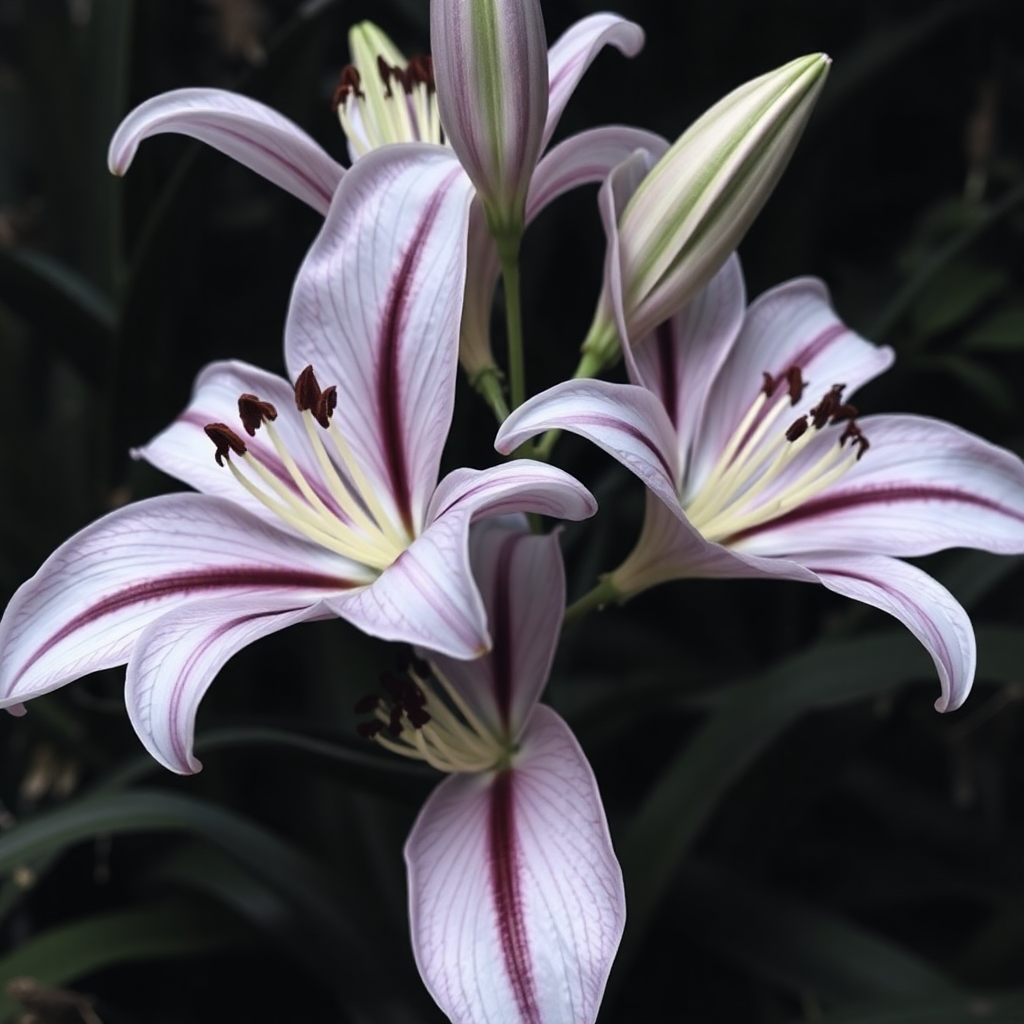
At the center, a cluster of stark white stamens contrasts sharply, creating a visual tension that feels almost theatrical. When the flower opens at dusk, a faint, musky fragrance wafts through the air—more unsettling than sweet, reminiscent of damp earth after a storm.
Historically, the Hatred Lily has been woven into folklore across cultures. In ancient Chinese poetry, it symbolized unrequited love turned sour, a reminder that passion can quickly sour into resentment.
European alchemists once believed the bloom possessed the power to repel malevolent spirits, using its dried petals in protective talismans. Today, horticulturists prize the Lily for its resilience; it flourishes in poor soil, tolerates frost, and requires minimal care—qualities that echo its tenacious spirit.
Cultivating a Hatred Lily in a modern garden can be an act of reclamation. By embracing a flower that embodies both darkness and endurance, gardeners acknowledge the full spectrum of emotion, allowing space for the uncomfortable alongside the beautiful.
In a world that often sanitizes pain, the Hatred Lily stands as a living reminder: even the most bitter feelings can blossom into something undeniably striking.
Whether placed at the edge of a rose bed or tucked behind a stone wall, the Hatred Lily invites reflection—an elegant paradox that reminds us beauty can arise from the soil.