Flaming Katy: The Show‑Stopping Summer Bloomer You Need in Your Garden
If you’re hunting for a plant that can turn a modest garden bed into a fireworks display, look no further than the Flaming Katy hibiscus. This vibrant cultivar—named for its blazing cascade of orange‑red petals—has become a favorite among both seasoned horticulturists and weekend hobbyists. In this post we’ll explore what makes Flaming Katy so special, how to grow it successfully, and a few creative ways to showcase its dramatic flair.
A Quick Portrait of Flaming Katy
- Scientific name: Hibiscus rosa‑sinensis ‘Flaming Katy’
- Height: 4–6 ft (1.2–1.8 m) when mature, though dwarf versions exist for container culture.
- Bloom size: 5–7 in (12–18 cm) across, with a classic hibiscus trumpet shape.
- Color palette: A fiery gradient from a deep scarlet throat to a luminous orange‑yellow edge, often flashing a hint of pink under bright sunlight.
- Seasonality: Blooms profusely from late spring through the first frost in USDA zones 9‑11; in cooler zones it can be grown as an annual or kept indoors during winter.
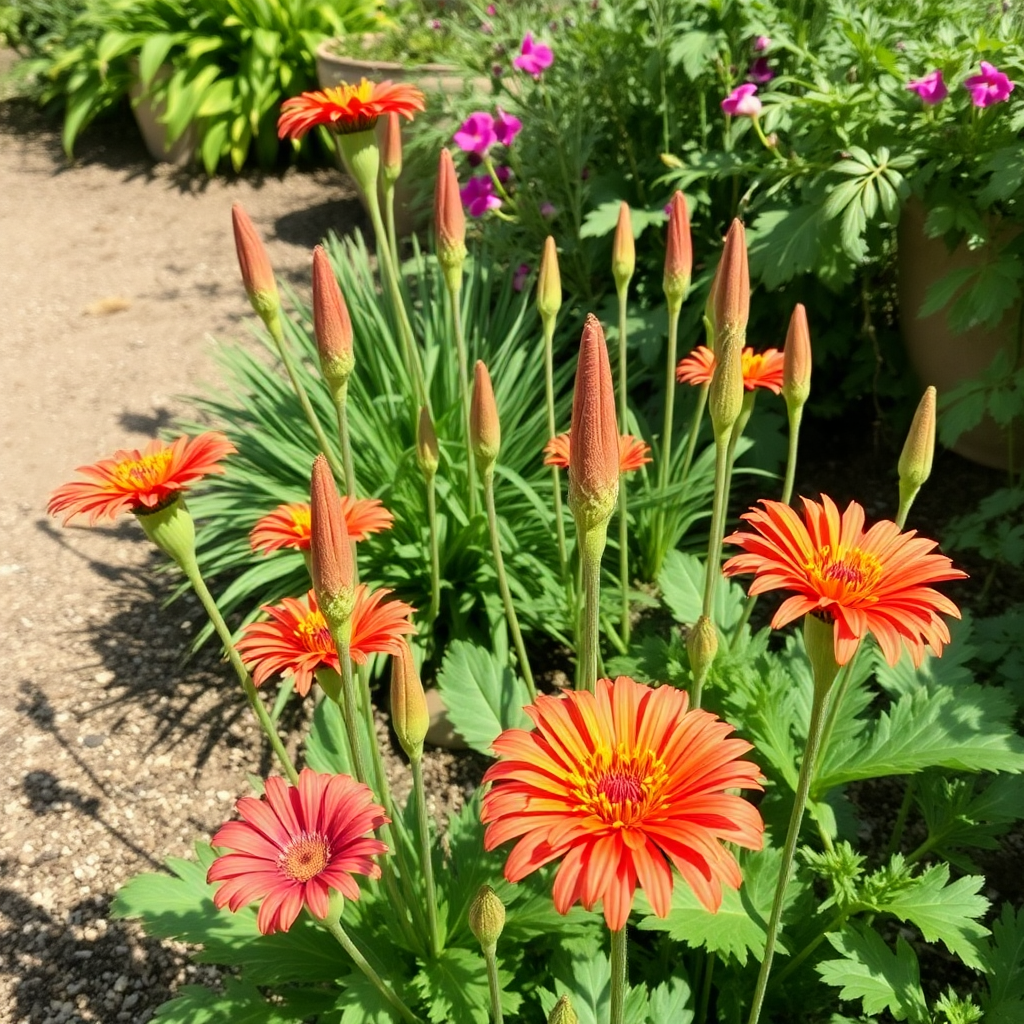
What sets Flaming Katy apart is its exceptionally long flowering period. While many hibiscus varieties have a short burst of blossoms, this cultivar repeats its show‑time week after week, especially when dead‑heading is practiced.
Growing Basics: Soil, Sun, and Water
| Requirement | Ideal Condition |
|---|---|
| Sunlight | Full sun (6–8 hrs daily). Partial shade can be tolerated, but expect fewer blooms. |
| Soil | Well‑draining loam with a pH of 6.0–6.5. Amend heavy clay with compost or perlite. |
| Water | Keep the root zone consistently moist but not soggy. A deep watering once a week is better than daily shallow sprays. |
| Fertilizer | Apply a balanced (10‑10‑10) fertilizer every 4–6 weeks during the growing season. A high‑phosphorus bloom booster can intensify flower color. |
A common mistake is overwatering, which leads to root rot and a sudden drop in blooming. Conversely, allowing the soil to dry out completely can cause the plant to shed buds prematurely.
Tips for a Lush, Long‑Lasting Display
Pinch the tips when seedlings reach 6–8 in tall. This encourages bushier growth and more flowering stems.
Dead‑head regularly. Removing spent blooms redirects the plant’s energy toward new flower buds.
Mulch with a 2‑inch layer of shredded bark or straw. Mulch conserves moisture, moderates soil temperature, and reduces weed competition.
Winter protection in zones 8‑9: wrap the base with frost‑cloth and move potted plants indoors to a bright, heat‑tolerant spot.
Decorating With Flaming Katy
Because of its striking hue, Flaming Katy works beautifully in several garden styles:
Tropical oasis: Pair it with banana plants, bird‑of‑paradise, and a draping elephant ear for a vacation‑vibe patio.
Modern minimalism: Use sleek, gray planters and let the flower’s fire‑like color become the focal point.
Cut flower arrangements: Stems last up to a week in a vase; they add dramatic contrast to soft whites and greens at weddings or dinner parties.
Symbolism & Cultural Touches
In many cultures, hibiscus flowers symbolize delicate beauty, passionate love, and tropical bliss. The “Flaming” moniker amplifies these ideas, making the plant a popular choice for summer festivals, romantic garden parties, and even as a living reminder of resilience—its ability to bloom fiercely under the harshest sun.
Bottom line: If you crave bold color and a garden that keeps on giving, the Flaming Katy hibiscus is a low‑maintenance, high‑impact addition. With the right light, soil, and a bit of routine pruning, you’ll enjoy a cascade of fiery blossoms that transform any outdoor space into a summer masterpiece. Happy planting!