Hyssop Flowers: A Little‑Known Gem for Gardeners and Herbalists
When you picture a classic herb garden, lavender, rosemary, and thyme usually steal the spotlight. Yet tucked among the aromatic foliage, a modest purple‑bloomed plant quietly waits for its turn—hyssop (Hyssopus officinalis).
Though it may not command the same fanfare as its more famous relatives, hyssop is a horticultural and medicinal treasure worth discovering. Below, we explore its history, garden value, and practical tips for growing this delightful perennial.
A Brief History – From Sacred Rituals to Modern Medicine
Hyssop’s reputation stretches back millennia. The ancient Greeks associated the plant with healing and purification, while the Romans used it as a fumigant in temples. Biblical references—“the hyssop that the Lord commanded Moses to use” (Exodus 12:22)—cemented its symbolic link to cleansing.
In medieval Europe, monks cultivated hyssop in monastery gardens, believing its aromatic smoke could ward off disease. Today, the herb’s essential oil is still valued for its antimicrobial and respiratory‑supporting properties, making it a staple in natural‑medicine circles.
Why Hyssop Deserves a Spot in Your Garden
Eye‑Catching Blooms
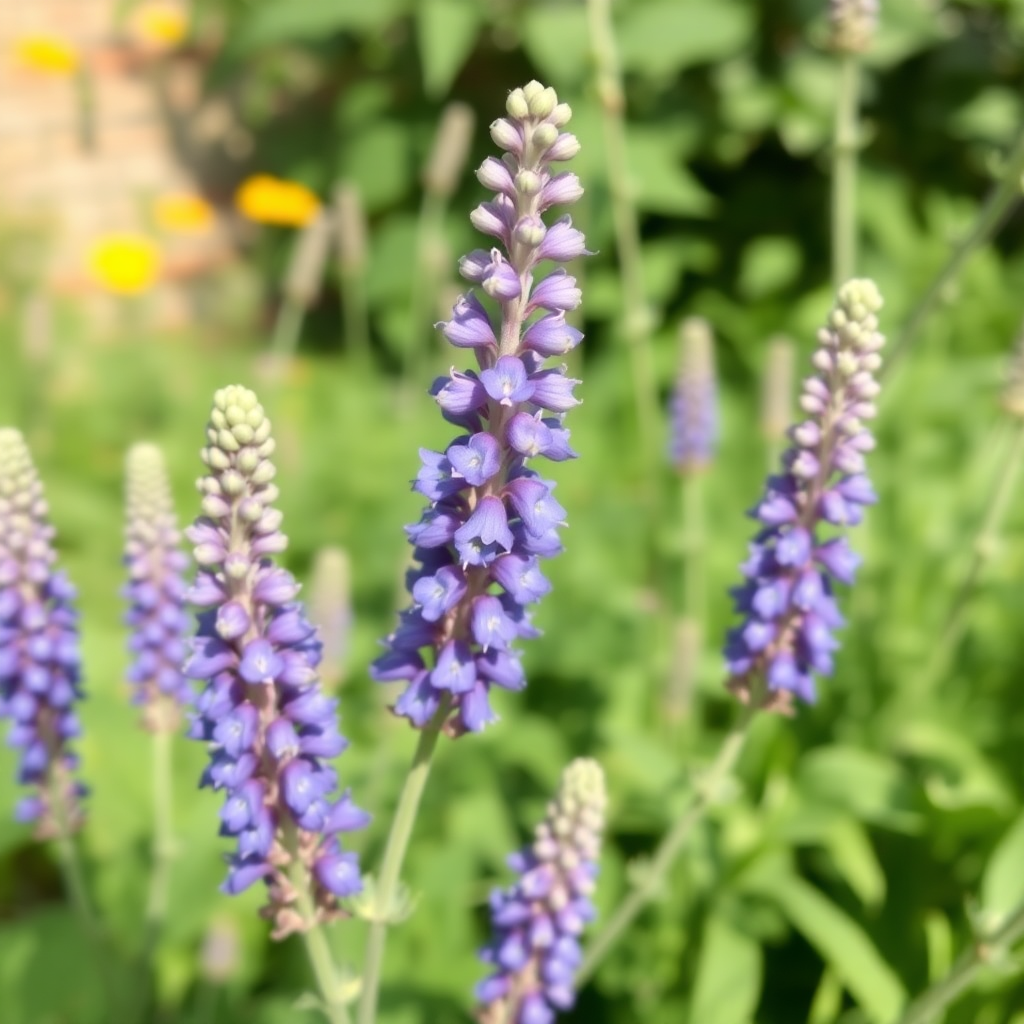
Hyssop produces dense spikes of tiny, tubular flowers that range from soft lilac to deep violet, often speckled with white. The blossoms appear from midsummer to early autumn, providing a late‑season color boost when many other perennials have faded.
Pollinator Magnet
The nectar‑rich flowers attract bees, butterflies, and hummingbirds, turning even a modest border into a buzzing ecosystem. Gardeners seeking to support local pollinators will find hyssop a low‑maintenance, high‑reward choice.
Aromatic Versatility
When the stems are brushed, a fresh, camphor‑like scent emerges. This fragrance makes hyssop a natural addition to herb bundles, potpourri, and culinary experiments—think spiced teas, marinades for lamb, or a subtle lift in gin infusions.
Drought Tolerance
Once established, hyssop thrives in dry, sunny spots with well‑draining soil. Its deep root system reduces water demand, rendering it an excellent candidate for xeriscape designs or rock gardens.
Growing Tips – From Seed to Bloom
| Step | Guidance |
|---|---|
| Site Selection | Full sun (6‑8 hrs) and gritty, alkaline‑to‑neutral soil. Avoid water‑logged beds. |
| Planting | Space plants 18‑24 inches apart to allow airflow. Plant seedlings at the same depth as the nursery pot. |
| Watering | Keep soil evenly moist for the first month. Afterward, water sparingly; the plant prefers dry periods. |
| Fertilizing | A light application of low‑nitrogen compost in early spring is sufficient. Over‑fertilizing can diminish flower production. |
| Pruning | Cut back spent flower stems after the first frost to encourage tidy growth and prevent self‑seeding. A hard prune in early spring (leaving 6‑8 inches above ground) rejuvenates older plants. |
| Pests & Diseases | Generally pest‑free. Watch for powdery mildew in humid climates—improve airflow and avoid overhead watering. |
Harvesting & Using Hyssop
The ideal harvest window falls just as the buds begin to open. Cut stems early in the morning, then either use the fresh leaves and flowers in the kitchen or dry them in a dark, ventilated space for teas and tinctures. Remember that hyssop essential oil is potent; a little goes a long way.
Final Thought
Hyssop may not dominate garden conversations, but its combination of striking blooms, pollinator benefits, aromatic charm, and historical intrigue makes it a star worth inviting into any planting scheme. Whether you’re a seasoned horticulturist, a budding herbalist, or simply someone who loves a splash of purple on the patio, give hyssop a chance—your garden (and senses) will thank you.