The Vibrant World of Ixora: A Garden‑Ready Showstopper
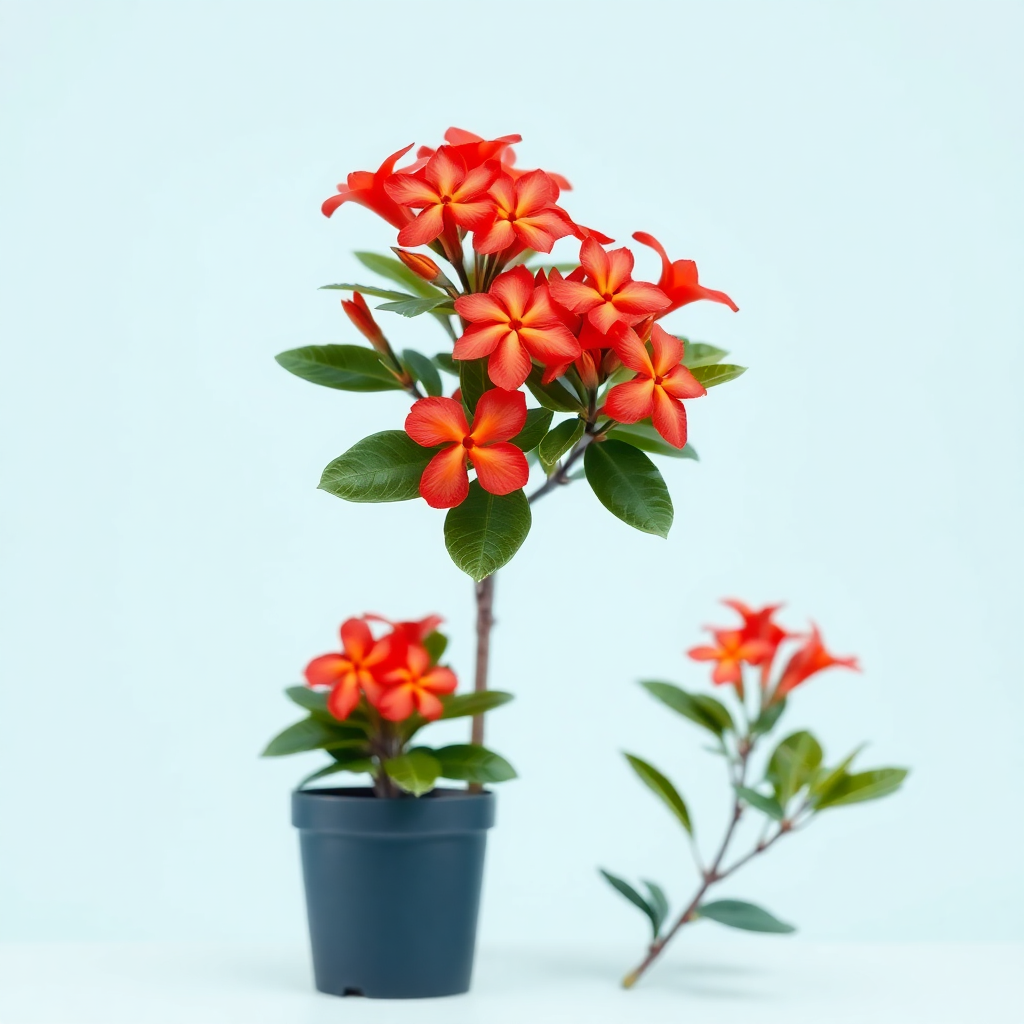
If you’re hunting for a plant that can turn any garden, balcony, or tropical landscape into a splash of color year after year, look no further than the Ixora. Often called “Jungle Flame” or “West Indian Jasmine,” this low‑maintenance shrub delivers dense clusters of tiny, star‑shaped blossoms that range from fiery reds and oranges to soft pinks and pristine whites.
Its compact habit, evergreen foliage, and relentless blooming cycle have secured Ixora a beloved spot in both traditional Asian gardens and modern urban containers.
A Brief Botanical Snapshot
- Scientific name: Ixora coccinea (and several close relatives)
- Family: Rubiaceae – the same family as coffee and gardenia.
- Native range: Tropical Asia, particularly Sri Lanka, India, and the Malay Peninsula.
- Growth habit: Evergreen shrub, 3–6 ft tall, 2–5 ft wide, with glossy, leathery leaves that stay vibrant even in full sun.
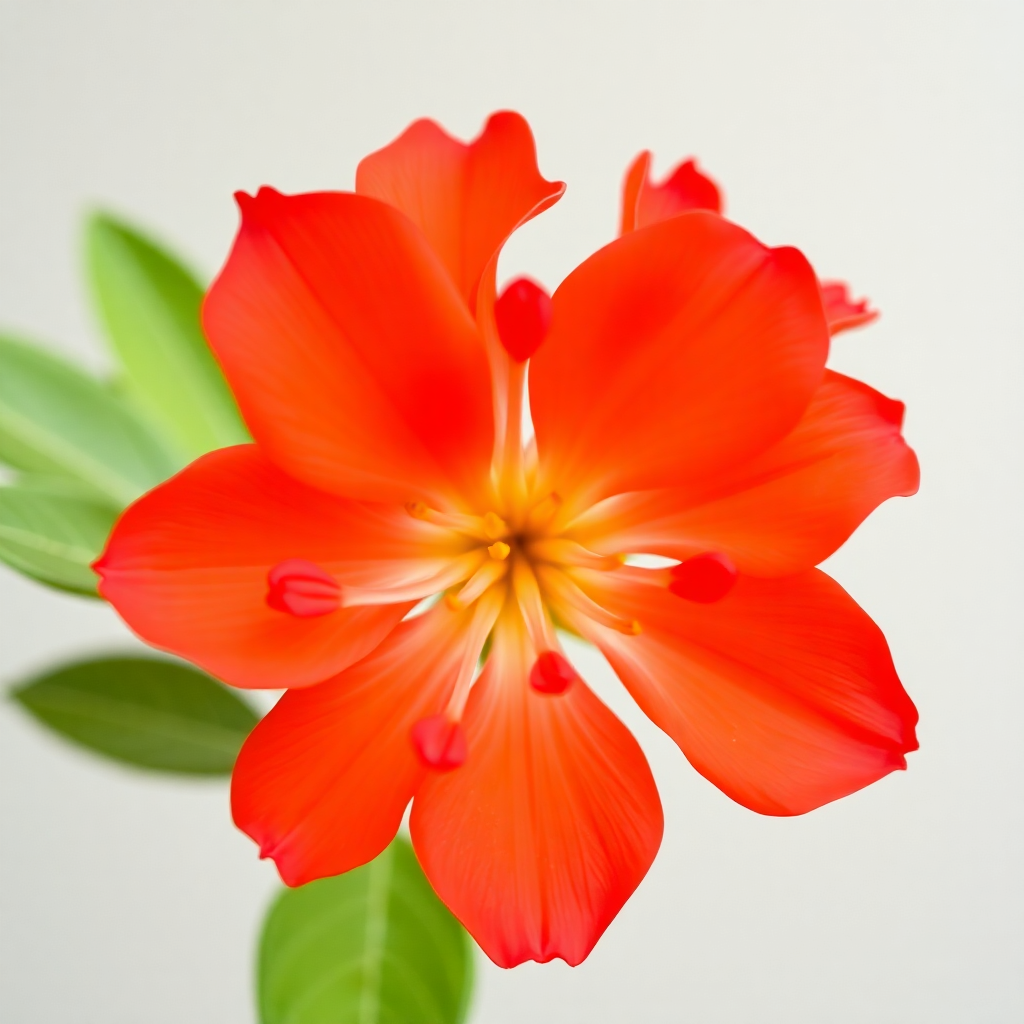
The plant’s signature “florets” are not single flowers but tightly packed cymes, each composed of dozens of minute blossoms. This architectural arrangement maximizes visual impact while conserving the plant’s energy—a clever adaptation to the intense, monsoonal climates of its homeland.
Why Ixora Thrives in the Home Garden
Sun‑Loving yet Tolerant – Ixora craves at least six hours of direct sunlight, but it will survive in filtered light, making it suitable for sunny patios or partially shaded borders.
Heat‑Resistant – Its tropical pedigree gives it a natural resilience to high temperatures and humidity, perfect for Southern U.S. gardens, Mediterranean climates, and indoor winter rooms with grow lights.
Low Water Demand – Once established, Ixora’s deep root system allows it to endure short dry spells. A weekly deep watering during the hottest months is usually sufficient.
Pruning Friendly – Light shaping after the main bloom period (late summer to early fall) encourages a fresh flush of flowers the following spring.
Planting & Care Tips
| Step | Details |
|---|---|
| Site selection | Choose a spot with well‑draining soil; a sandy loam enriched with compost works best. |
| Planting depth | Position the root ball so the soil line meets the base of the stem—no burying the crown. |
| Fertilization | Apply a balanced, slow‑release fertilizer (10‑10‑10) in early spring and again after the first bloom cycle. |
| Pest management | Occasionally, spider mites or whiteflies may appear. A gentle spray of neem oil or insecticidal soap typically resolves the issue. |
| Winter protection | In USDA zones 9‑11, Ixora is hardy year‑round. In colder zones, move potted specimens indoors or mulch heavily around the base for frost protection. |
Design Ideas to Showcase Ixora
Border brilliance: Plant a row of Ixora along a garden path for a continuous burst of color. Pair with low‑growth grasses or ornamental ferns for texture contrast.
Container star: A 15‑gal pot filled with a mix of Ixora, dwarf hibiscus, and basil creates a living sculpture that can be moved to follow the sun.
Mixed shrub beds: Combine Ixora with other evergreen shrubs like Loropetalum or Camellia to create layered foliage that stays attractive even when the blooms fade.
Final Thoughts
Ixora isn’t just a pretty face; it’s a hardy, versatile, and surprisingly easy-to-care-for shrub that rewards gardeners with weeks of vivid, nectar‑rich blooms.
Whether you’re a seasoned horticulturist or a budding balcony grower, incorporating Ixora into your plant palette will bring a touch of tropical drama that endures season after season. So dig in, give it the sunshine it loves, and watch your garden ignite with the spectacular hues of the Jungle Flame.