The English Bluebell – A Simple Guide to Britain’s Beloved Spring Flower
When spring arrives in England, one of the first signs that winter is finally over is the gentle carpet of blue‑bell flowers that begins to appear in woods, gardens, and hedgerows.
The English bluebell ( Hyacinthoides non‑scripta ) is more than just a pretty plant; it is a piece of British natural heritage, a symbol of the season, and a favorite among gardeners and nature lovers alike. In this short post we’ll explore what makes the bluebell special, where it grows, and how you can enjoy it in your own garden.
What Does the English Bluebell Look Like?
A bluebell is a slender, grass‑like plant that grows from a bulb hidden beneath the soil. In spring, each bulb sends up a single, upright stem that can reach 15‑30 cm (about 6‑12 inches) tall. At the top of the stem sits a delicate, nodding bell‑shaped flower.
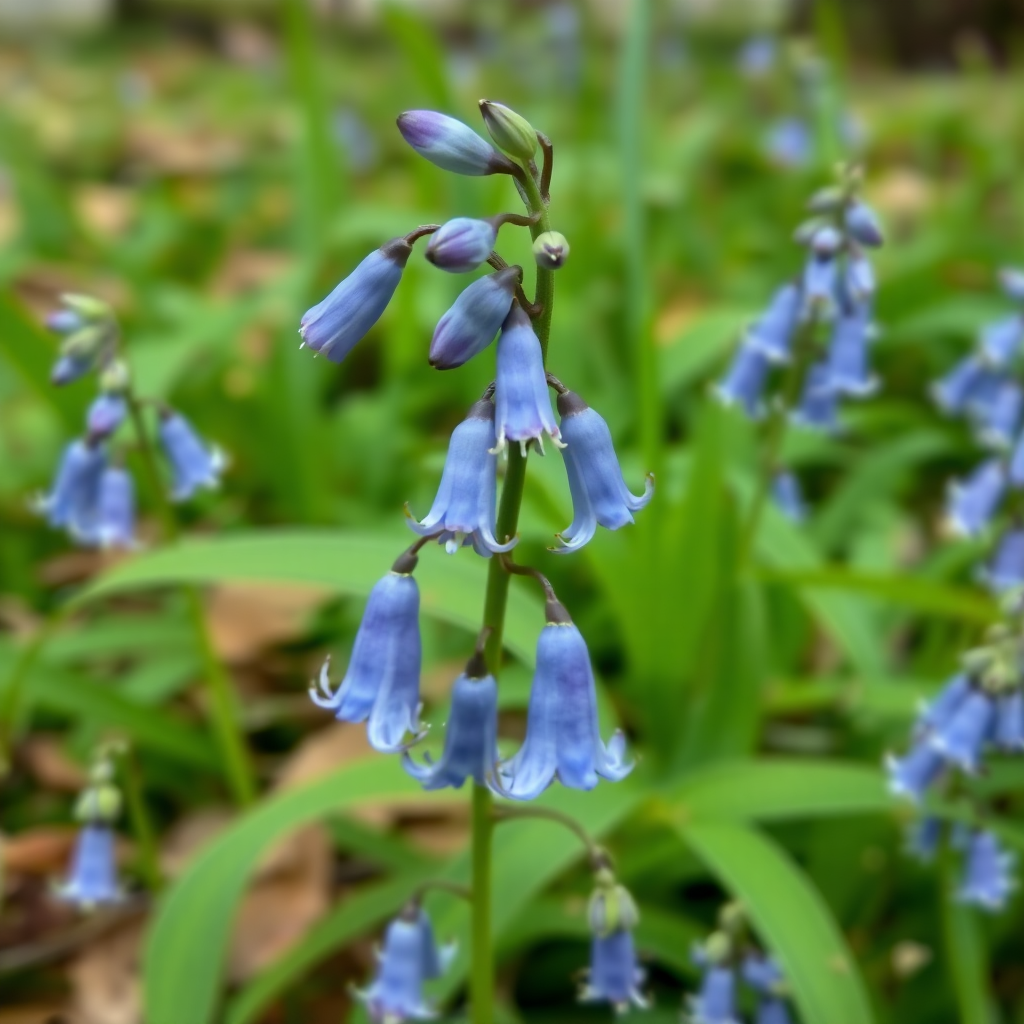
The petals are usually a soft, sky‑blue, but you can also find pink‑tinged or white varieties. The flowers hang on one side of the stem, creating a graceful, sweeping curve that looks like a tiny, hanging lantern.
The leaves are narrow and dark green, forming a basal rosette at the base of the plant. When the bluebells are in full bloom, the forest floor looks like a sea of tiny bells swaying in the breeze.
Where Do Bluebells Grow in England?
Bluebells love cool, damp soil that is rich in leaf litter. This makes ancient woodlands and shaded hedgerows perfect homes for them. In the UK they are most common in the south and east, although you can find them in many other parts of the country too.
Because they spread slowly from bulb to bulb, a large, ancient wood can contain thousands of individual bluebells, each one a descendant of a plant that may have been there for centuries.
Why Are Bluebells Important?
Cultural Symbol – The bluebell is often used as a symbol of spring, renewal, and the English countryside. It appears on postcards, in poetry, and even on some local coats of arms.
Ecological Role – Early‑season pollinators, especially bees and hoverflies, rely on bluebell nectar when few other flowers are open. This helps sustain the insect population that later supports birds and other wildlife.
Legal Protection – In the UK, the native bluebell is a protected species. Picking the flowers or digging up the bulbs in the wild is illegal, and it’s considered good etiquette to admire them without disturbing them.
Growing Bluebells in Your Garden
If you would like to bring a touch of the English woods to your own garden, here are a few simple steps:
Choose the Right Spot – Plant bluebells in a shady area with well‑draining, humus‑rich soil. An orchard, under a deciduous tree, or a north‑facing border works well.
Plant the Bulbs – Plant the bulbs in late autumn, about 5 cm (2 inches) deep and 10 cm (4 inches) apart. Keep the soil moist but not water‑logged.
Leave the Leaves Alone – After the flowers fade, let the foliage die back naturally. The leaves feed the bulb for the next year, so avoid cutting them off.
Patience is Key – It may take a couple of years for a planting to become a dense carpet. Once established, bluebells can thrive for many decades.
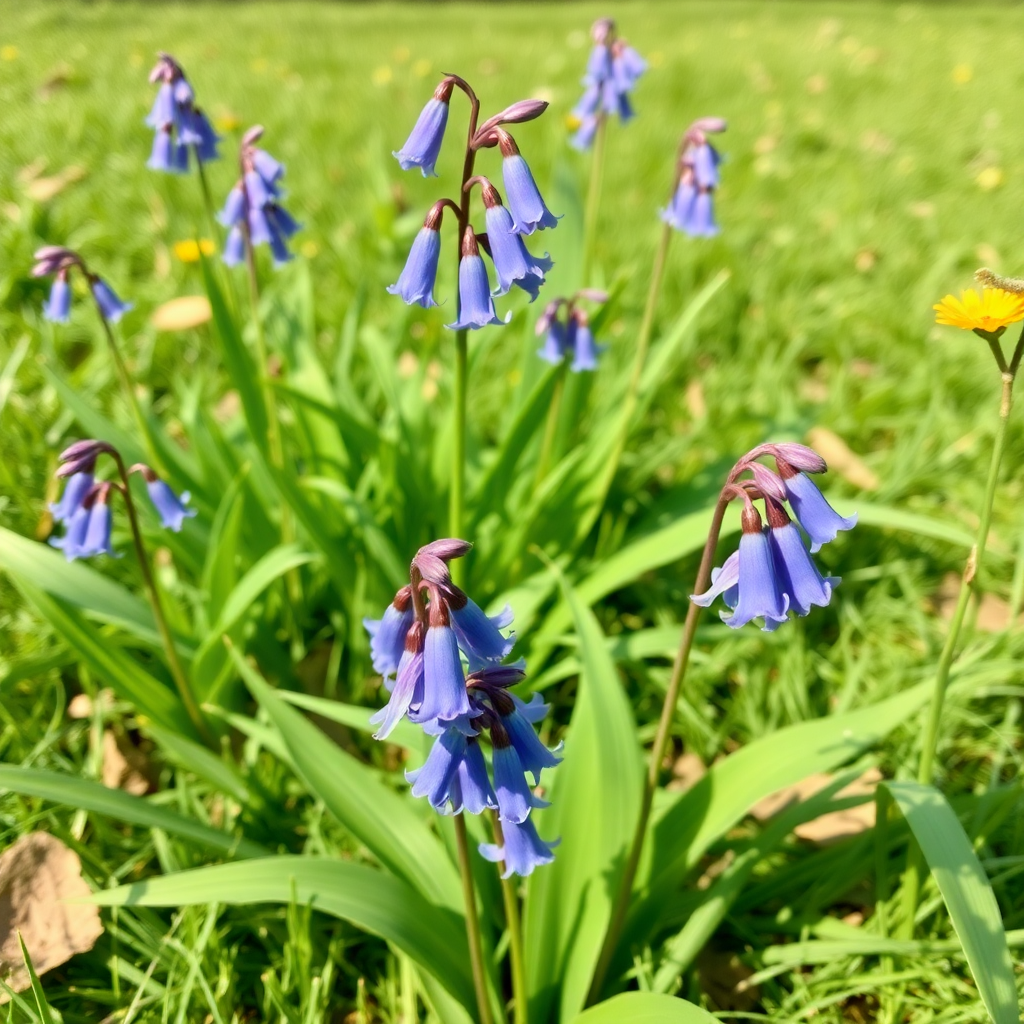
A Simple Way to Celebrate Spring
The next time you walk through a park or a woodland in early spring, pause for a moment and look down at the bluebells. Their subtle colour and sweet scent remind us that even the smallest things can bring great joy.
Whether you are a seasoned gardener or just someone who loves to wander the countryside, the English bluebell offers a gentle, beautiful glimpse of nature’s rebirth each year. Enjoy it, protect it, and let it inspire you to welcome the season with open arms.
Upvoted! Thank you for supporting witness @jswit.