What Exactly Are Lantana Flowers?
Ever walked through a sunny garden and been drawn to a burst of small, star‑shaped blooms that seem to change color with every step? Those are lantana flowers, a favorite of both gardeners and pollinators.
Native to the tropical Americas, lantana (Lantana camara) is a sprawling shrub that has been introduced to warm regions worldwide. Its name comes from the Latin word “lantana,” meaning “to spread,” a fitting description for a plant that easily covers fences, walls, and open beds.
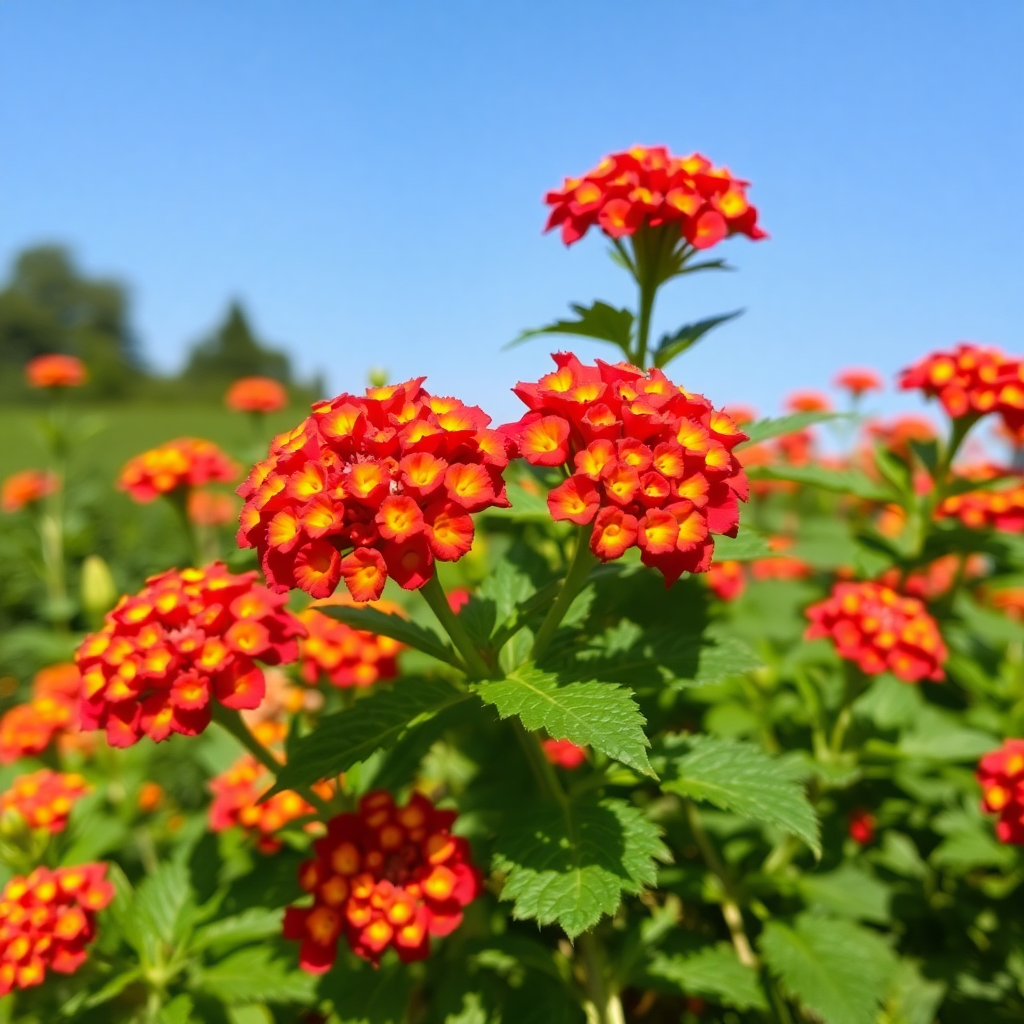
Each flower head is actually a tight cluster of many tiny florets, each one a different shade of pink, orange, yellow, red, or white. The colors often shift as the florets mature—young buds may start as deep red, then fade to yellow before the whole cluster drops. This dynamic display not only delights the eye but also signals to hummingbirds and butterflies which flowers still contain nectar.
Lantana is prized for its low maintenance needs. It thrives in full sun, tolerates drought, and can survive in poor soils, making it ideal for xeriscaping. However, its vigor can become a problem; in some regions it is classified as an invasive species because it outcompetes native plants and alters habitats. Responsible gardeners prune regularly, remove seed heads, and avoid planting near natural areas.
Beyond aesthetics, lantana has traditional uses. In folk medicine, leaf extracts have been employed as anti‑inflammatory agents, while the plant’s essential oils are used in perfumery. Gardeners also appreciate its ability to attract beneficial insects that help control pests.
In short, lantana flowers are more than just colorful accents—they are resilient, pollinator‑friendly blooms with a rich history and ecological impact. When cultivated thoughtfully, they add vibrant life to any garden while supporting a thriving ecosystem. Choose a compact variety for containers, and enjoy endless summer color that brightens every visit.