The Trillium Flower: A Simple Guide to One of Nature’s Little Gems
When you walk through a quiet forest in early spring, you might spot a small, three‑petaled flower standing proudly on a short stem. That’s the trilling flower, a plant that many people call “trillium.” Though it’s not as famous as a rose or a sunflower, the trillium has its own special story, and it’s worth a closer look.
What Does a Trillium Look Like?
The name “trillium” comes from the Latin word tril‑, meaning three. True to its name, every trilling flower has three parts:
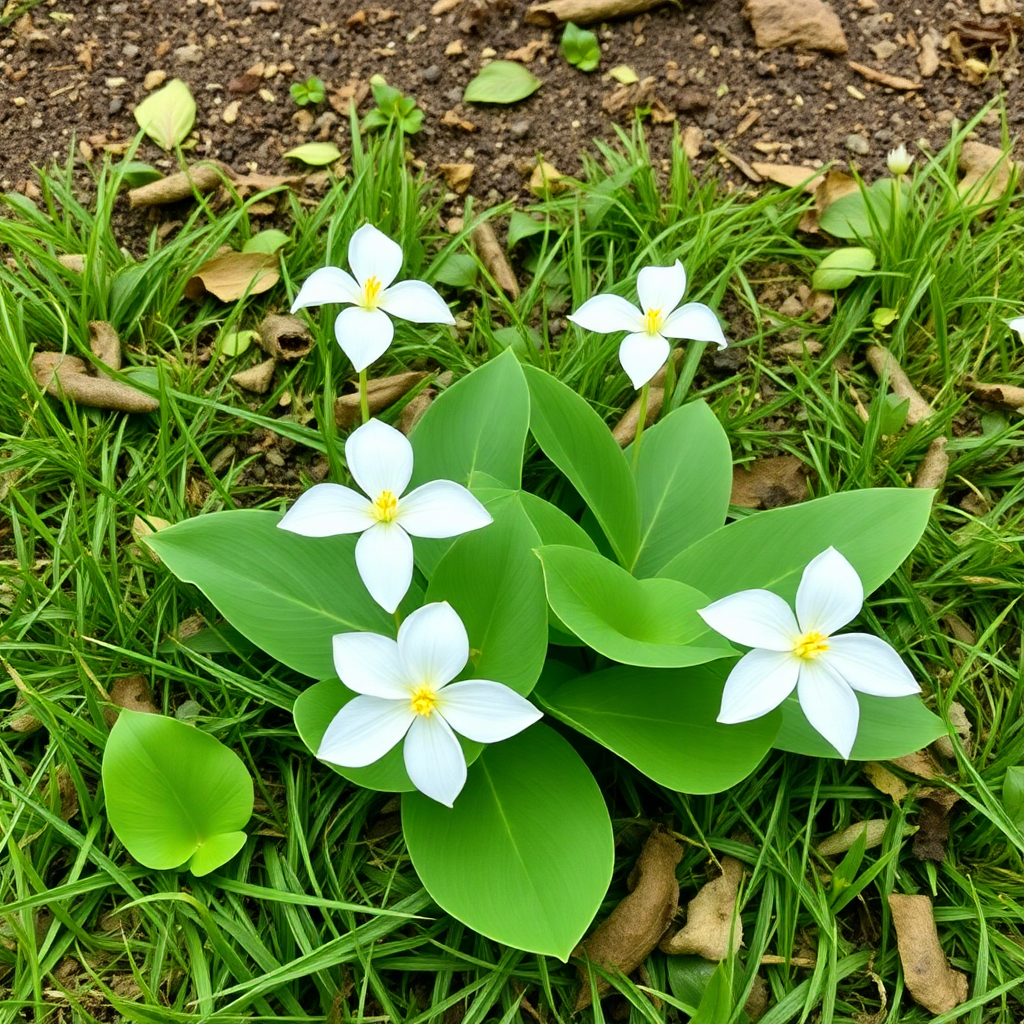
Three sepals – the green leaf‑like pieces that protect the bud before it opens.
Three petals – bright and often glossy, they are usually white, pink, or red.
Three leaves – a set of three broad leaves that sit just under the flower.
The whole plant is low to the ground, usually only a few inches tall. The leaves form a neat, three‑leaf “base” and the flower rises straight up from the middle. The simple, symmetrical shape makes the trilling flower easy to spot, even when it’s hidden among ferns and moss.
Where Do Trilliums Grow?
Trilliums love cool, moist places. You’ll find them most often in:
Wooded areas – especially where the canopy lets a little dappled light through.
Northern forests – many species thrive in the United States, Canada, and parts of East Asia.
Mountain slopes – higher elevations give the cool, damp conditions they need.
Because they prefer undisturbed ground, you’ll usually see them in old‑growth forests, not in busy city parks. If you’re looking for them, try a quiet trail early in the spring season, just after the snow melts.
Why Are Trilliums Important?
Beyond their beauty, trills play a small but vital role in the ecosystem:
Food for insects – bees, beetles, and some butterflies visit the flowers for nectar.
Indicator of healthy forest – because they need clean, undisturbed soil, a thriving trilling population often signals a healthy woodland.
Cultural significance – many Native American tribes consider the trilling a symbol of purity and balance. In some places it even appears on state flags and emblems.
Caring for Trilliums
If you love trilling flowers, there are a few simple ways to help them:
Stay on the trail – stepping on the plants can damage their roots.
Leave leaves alone – fallen leaves protect the soil and keep the plant moist.
Don’t pick – the flowers need their petals to attract pollinators and make seeds.
By respecting their space, you help ensure that future hikers can enjoy the same quiet beauty.
A Little Reminder
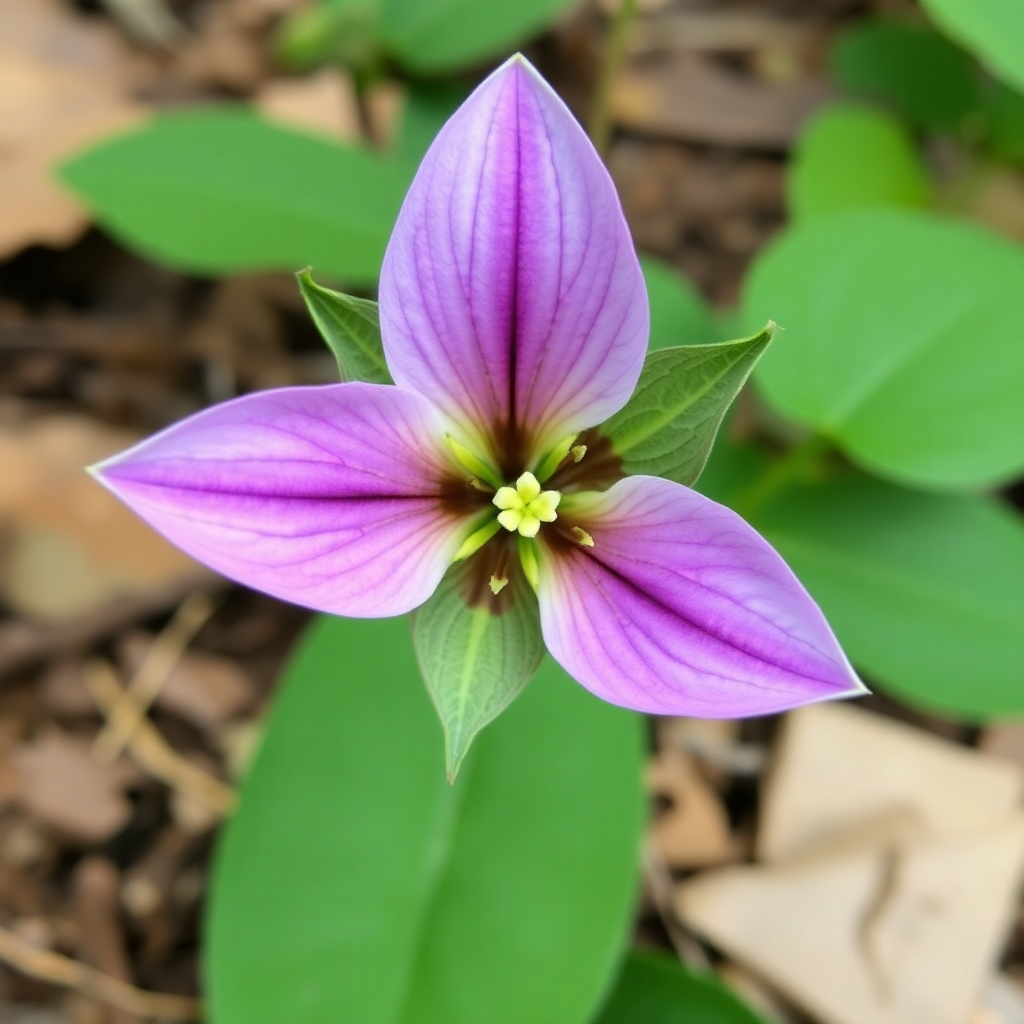
The next time you wander through a forest in early spring, pause for a moment and look down. If you spot three broad leaves with a three‑petaled bloom perched right in the middle, you’ve found a trilling flower. Its simple design reminds us that nature doesn’t need extravagance to be wonderful. Each tiny trilling is a reminder that even the smallest plants have a place in the grand tapestry of life.
So, keep your eyes open, tread lightly, and let the trilling’s quiet charm add a touch of wonder to your walk. Happy exploring!