The Enchanting Elegance of the Water Lily (Nymphaea)
Few sights in the natural world are as serene and captivating as a water lily unfurling its petals atop a tranquil pond. Known scientifically as Nymphaea, these aquatic perennials are more than just botanical beauties; they are symbols of peace, purity, and resilience across various cultures.
Belonging to the family Nymphaeaceae, water lilies are marvels of evolutionary adaptation. Their broad leaves, often called "lily pads," float gracefully on the water’s surface, anchored by long, flexible stems reaching down to the pond’s muddy bottom.
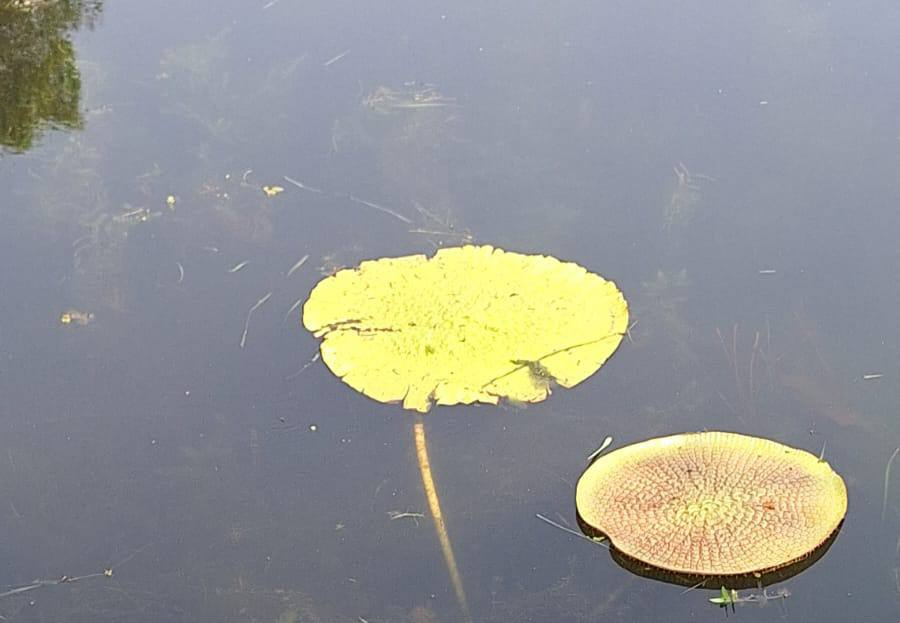
These pads act as natural umbrellas, shading the water below, which helps regulate temperature and provides essential cover for fish and other aquatic life.
The true magic of the Nymphaea lies in its bloom. Depending on the species, water lilies can be diurnal (blooming during the day) or nocturnal (opening at night).
As they emerge from the depths, their petals display a stunning array of colors—ranging from pristine white and soft pink to vibrant yellow and deep, royal purple. The flower’s geometry is nothing short of artistic, with symmetrical layers that spiral toward a radiant, golden center.
Beyond their aesthetic appeal, water lilies play a vital ecological role. They act as natural water purifiers, absorbing excess nutrients and oxygenating the water. For gardeners, they are the crown jewel of any water feature, turning a simple basin into an enchanting landscape.
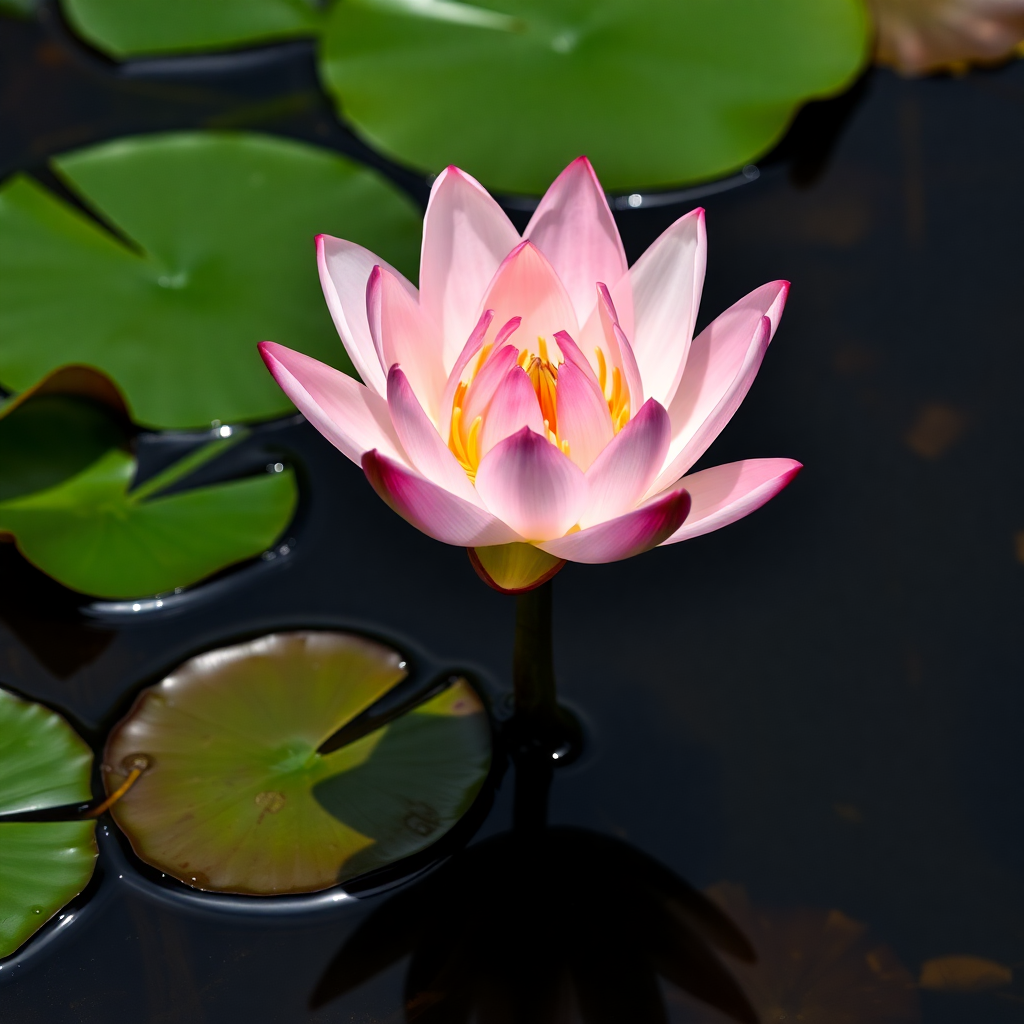
Whether you are admiring them in a wild marsh or a curated garden, the water lily reminds us to find stillness in the midst of life’s currents. They rise from the depths to embrace the sun, proving that beauty can flourish even in the quietest, muddiest corners of the world.
If you’re looking to add a touch of tranquility to your own space, the Nymphaea is, without a doubt, the perfect choice.