The Fall Crocus: A Whisper of Color in Autumn’s Palette
When summer’s heat fades and the first chill of autumn settles in, most gardeners begin to pack away their vibrant annuals, assuming the garden’s show will pause until spring. Yet a modest, cup‑shaped bloom refuses to surrender its stage: the fall crocus (Colchicum spp.).
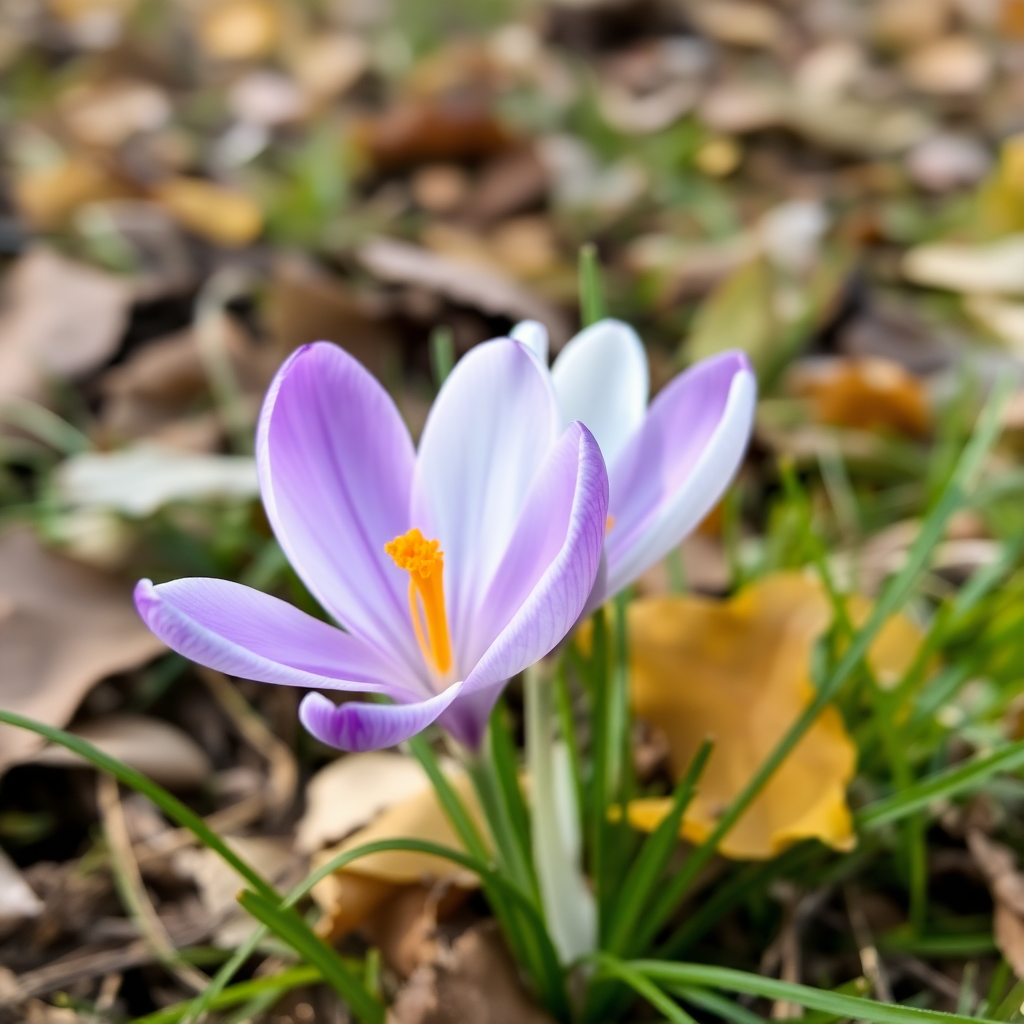
Often confused with its spring‑time cousin, the true crocus, the fall crocus quietly emerges from the earth in October or November, offering a splash of mauve, pink, or pure white that feels almost too delicate for the season’s muted tones.
What Makes the Fall Crocus Special?
Late‑season Bloomer: While many bulbs lie dormant through winter, fall crocuses break the trend, peeking through fallen leaves and early frosts.
Low‑maintenance: Once planted, they need little more than occasional watering and a protective mulch layer. Their natural cycle is designed to survive a harsh winter and re‑emerge the following fall.
Aromatic Heritage: Historically, several species of Colchicum have been prized for medicinal uses (the alkaloid colchicine is still employed in modern gout treatment). Though beautiful, all parts of the plant are toxic if ingested, so handle with care.
Planting Tips for a Successful Display
Choose the Right Site – Fall crocuses thrive in well‑draining soil with a neutral to slightly acidic pH. A sunny spot that receives at least six hours of light works best, though they tolerate light shade.
Timing Is Everything – Plant the corms in late summer (July–August). Position them about 3–4 inches deep, spacing each 4–6 inches apart.
This gives the roots time to establish before the first frosts.
Soil Preparation – Incorporate a handful of compost or well‑rotted manure into the planting hole. This enriches the soil and encourages robust foliage growth in the spring, which subsequently fuels the fall bloom.
Mulch for Protection – A thin layer of straw or leaf mulch after planting guards the corms against temperature swings and helps retain moisture.
Water Wisely – Water thoroughly after planting, then allow the soil to dry out between waterings. Over‑watering can lead to rot, especially in heavy clay soils.
Extending the Joy
Because the foliage appears in spring, you can let the leaves photosynthesize and store energy for the next year’s bloom. If you’d like a longer visual display, interplant fall crocuses with ornamental grasses or late‑season asters. The contrast of the crocus’s delicate cup against the feathery plumes of grasses creates a garden tableau that feels both wild and cultivated.
Symbolism & Garden Lore
In many cultures, the fall crocus symbolizes resilience and the promise of renewal. Its emergence after the first frost reminds us that beauty can thrive even when the world seems to be winding down. Some garden writers even consider it a “pre‑winter flower,” a gentle reminder that the cycle of growth never truly stops.
Bottom Line: If you’re looking to add an unexpected pop of color to your autumn garden, the fall crocus is a low‑effort, high‑impact choice. Plant it this summer, and come November you’ll be rewarded with a quiet chorus of petals that whisper, “the garden is still alive.” Embrace the season’s subtle elegance—let the fall crocus be your garden’s secret smile.