Dianthus barbatus – The Sweet‑William That Brightens Every Garden
If you’ve ever walked past a flower border and noticed a burst of pink, red or white blossoms that look a little like tiny carnations, you were probably looking at Dianthus barbatus. Known to gardeners as Sweet William, this plant is a favorite for its cheerful colors, pleasant scent, and easy care. Below is a quick guide that covers everything you need to know about this lovely flower in just a few simple paragraphs.
What Is Sweet William?
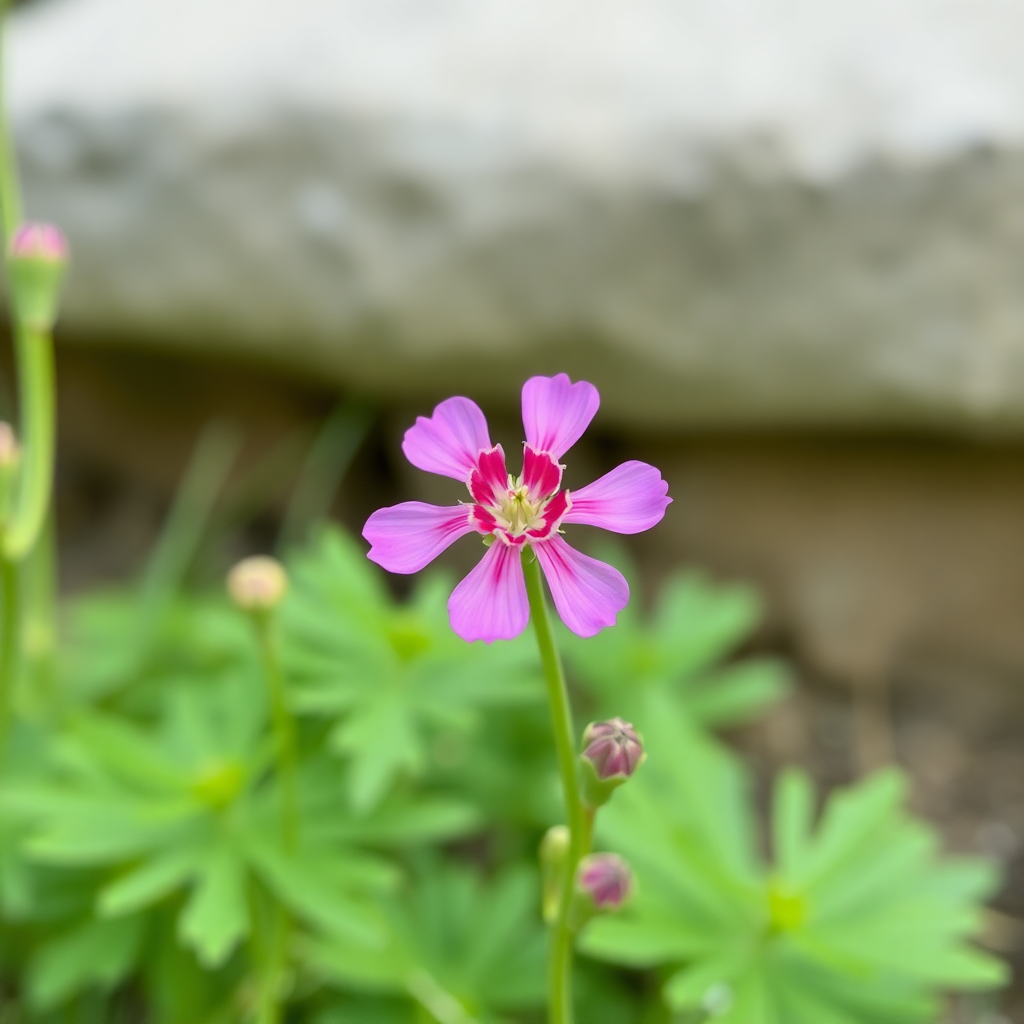
Dianthus barbatus belongs to the carnation family (Caryophyllaceae). It is a herbaceous perennial in its native range, but in many cooler climates it behaves like a hardy annual. The plant produces upright stems that reach 30–60 cm (12–24 in) tall, each topped with a dense cluster of five‑petaled flowers. Colors range from deep scarlet to soft pink, creamy white, and even bi‑colored varieties. The petals have a gentle frill, giving the blooms a slightly ruffled look.
Where Does It Come From?
Originally from the Mediterranean basin and western Asia, Sweet William was first cultivated in Europe during the 16th century. It was named after a nobleman, William, the 4th Earl of Southampton, who helped popularise the flower in English gardens. Today it grows in temperate regions worldwide and is a staple in cottage‑style plantings.
Growing Sweet William
Sun & Soil:
Plant in a location that receives at least 6 hours of direct sunlight each day.
Well‑draining soil is essential; a mix of garden loam and a little sand works well.
Planting Time:
In most zones, sow seeds in early spring as soon as the soil can be worked.
You can also start seedlings indoors 6–8 weeks before the last frost and transplant them later.
Watering:
Keep the soil evenly moist, especially during the first few weeks.
Once established, the plant tolerates short dry spells, but regular watering encourages the most abundant blooms.
Feeding:
A light feeding of balanced fertilizer (10‑10‑10) once a month will keep the flowers vigorous.
Deadheading:
Snip off spent flowers regularly. This not only looks tidy but also prompts the plant to produce fresh blossoms throughout the season.
Uses and Symbolism
Sweet William is more than just a pretty face. Its gentle fragrance makes it a popular choice for cut flower arrangements, and the sturdy stems last well in vases. In the language of flowers, Sweet William traditionally represents bounty, admiration, and good cheer—perfect for birthdays, anniversaries, or simply to brighten someone’s day.
Gardeners also plant Sweet William to attract butterflies and bees. The nectar‑rich blooms provide a valuable food source for pollinators, helping the whole garden ecosystem thrive.
Quick Tips for Success
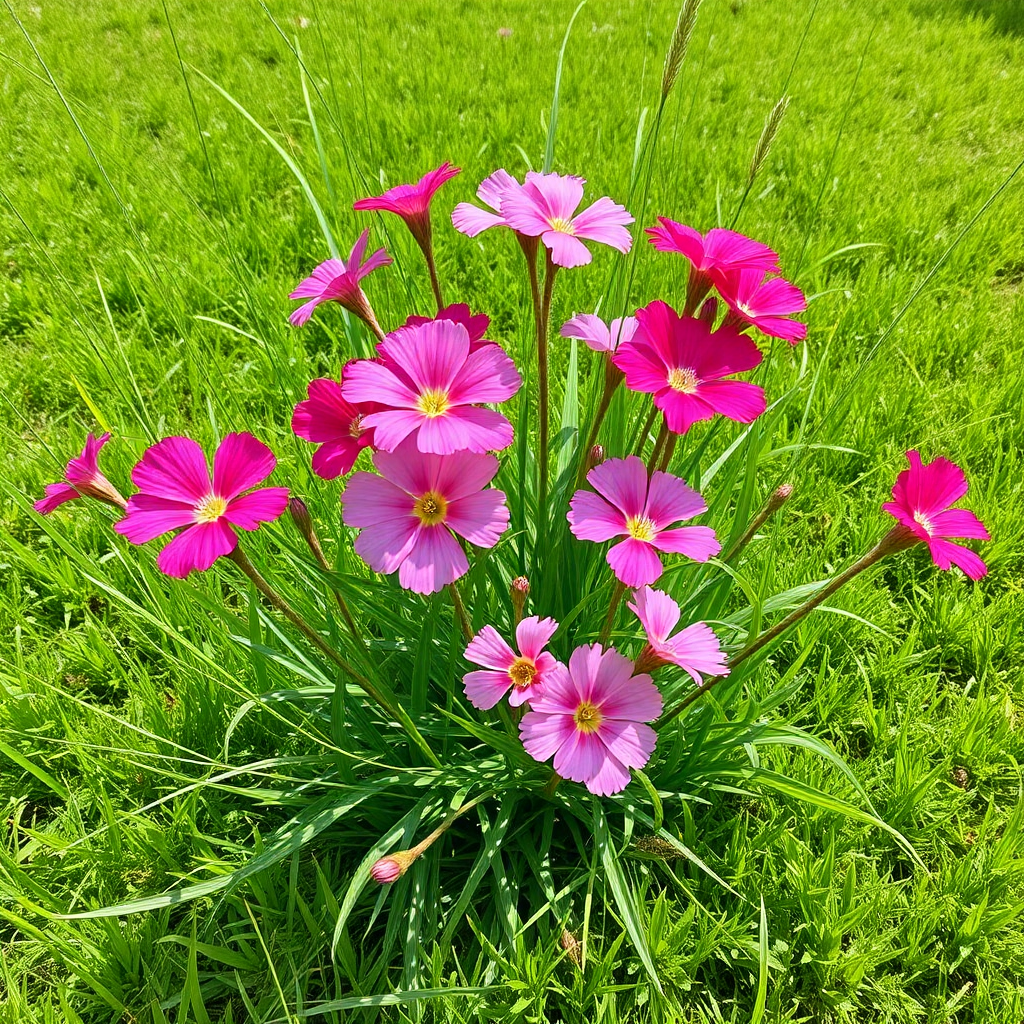
Space plants 30 cm apart to give each stem room to air‑circulate and reduce disease risk.
Mulch around the base to keep the soil temperature stable and retain moisture.
Avoid overhead watering; water at the soil level to keep foliage dry and prevent fungal spots.
Final Thought
Whether you’re a seasoned gardener or just beginning to explore flower beds, Dianthus barbatus is a reliable, low‑maintenance choice that delivers a splash of colour throughout summer. Its sweet scent, resilient nature, and charming blooms make Sweet William a timeless staple that continues to bring joy to gardens around the world. Give it a try—you’ll soon see why this humble flower has been loved for centuries.