Fall Crocus: A Cheerful Surprise When Summer Says Goodbye
When most gardens are winding down for autumn, a small but bold flower steps onto the stage. The fall crocus (Colchicum autumnale) is a quiet hero that brightens beds, borders, and pots with a splash of pink, purple, or white. Even if you are new to gardening, the fall crocus is easy to grow, low‑maintenance, and rewarding. Let’s explore what makes this plant special and how you can enjoy it in your own garden.
What the Fall Crocus Looks Like
Unlike the spring‑blooming crocuses you may already know, the fall crocus produces its flowers after the leaves have died back. Each bloom rises on a slender stem that reaches 4‑6 inches (10‑15 cm) tall. The cup‑shaped flower has six petals that open wide, usually in shades of lavender, pink, or pure white.
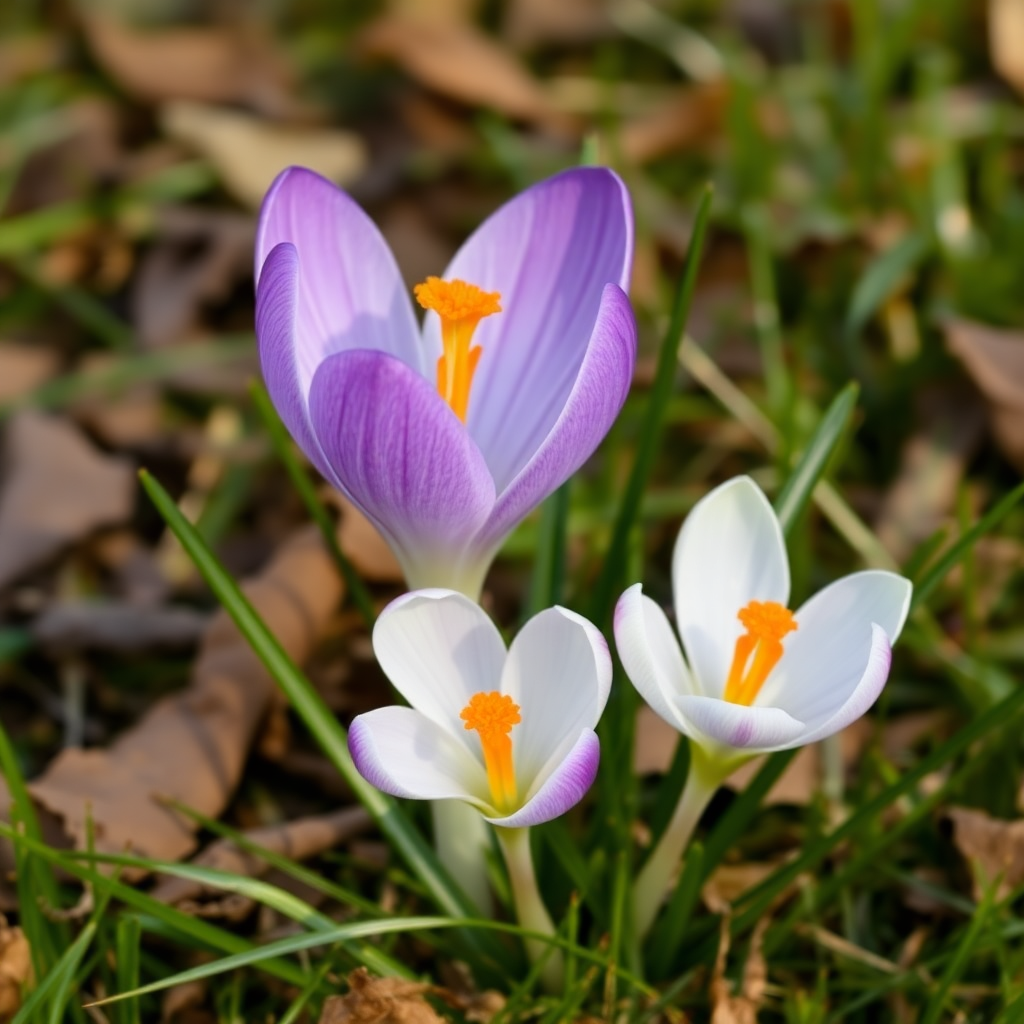
A yellow or orange “eye” sits in the center, adding a subtle contrast. After the flowers fade, a small, grass‑like leaf shoots up in the spring, looks like a tiny fern, and stores energy for the next year’s bloom.
When and Where It Grows
Fall crocuses love cool weather. They typically flower from late September to November, thriving in regions where the first frosts arrive early. They are hardy in USDA zones 5‑8, which includes much of the United States and similar climates worldwide.
These plants are adaptable: they do well in full sun, partial shade, or light woodland settings. Because they naturally grow in meadows and woodland edges, they tolerate a range of soil types as long as the soil drains well.
Planting Made Simple
Choose a spot – Look for a place with good drainage. If the ground stays soggy, add sand or organic matter to improve texture.
Timing – Plant the corms (bulb‑like storage organs) in late summer or early autumn, about 2‑3 inches (5‑7 cm) deep.
Spacing – Space each corm 4‑6 inches (10‑15 cm) apart. This gives each plant room to spread and makes a nice, natural‑looking carpet.
Water – Give the soil a good soak after planting, then let it dry out a little before the next watering. Over‑watering can cause the corms to rot.
Once planted, the fall crocus takes care of itself. The corm stores its own food, so you rarely need to fertilize. In fact, too much fertilizer can reduce blooming.
Caring Through the Seasons
After blooming – Let the foliage die back naturally. The leaf rosettes collect sunlight in the spring, feeding the corm for next autumn’s show.
Spring – If you see the new leaves, you can give them a light feeding of balanced, slow‑release fertilizer, but it’s optional.
Dividing – Every few years, dig up the corms in late summer, separate the offsets, and replant them. This keeps the garden full and healthy.
Why Add Fall Crocuses?
Extended colour – They fill the garden with colour when many other plants have gone dormant.
Wildlife friendly – Bees and early butterflies love the nectar, giving pollinators a late‑season food source.
Low effort – Once planted, they require little attention, making them perfect for busy gardeners or beginners.
Natural look – Their understated charm works well in naturalised beds, rock gardens, or as a border accent.
A Simple Harvest Idea
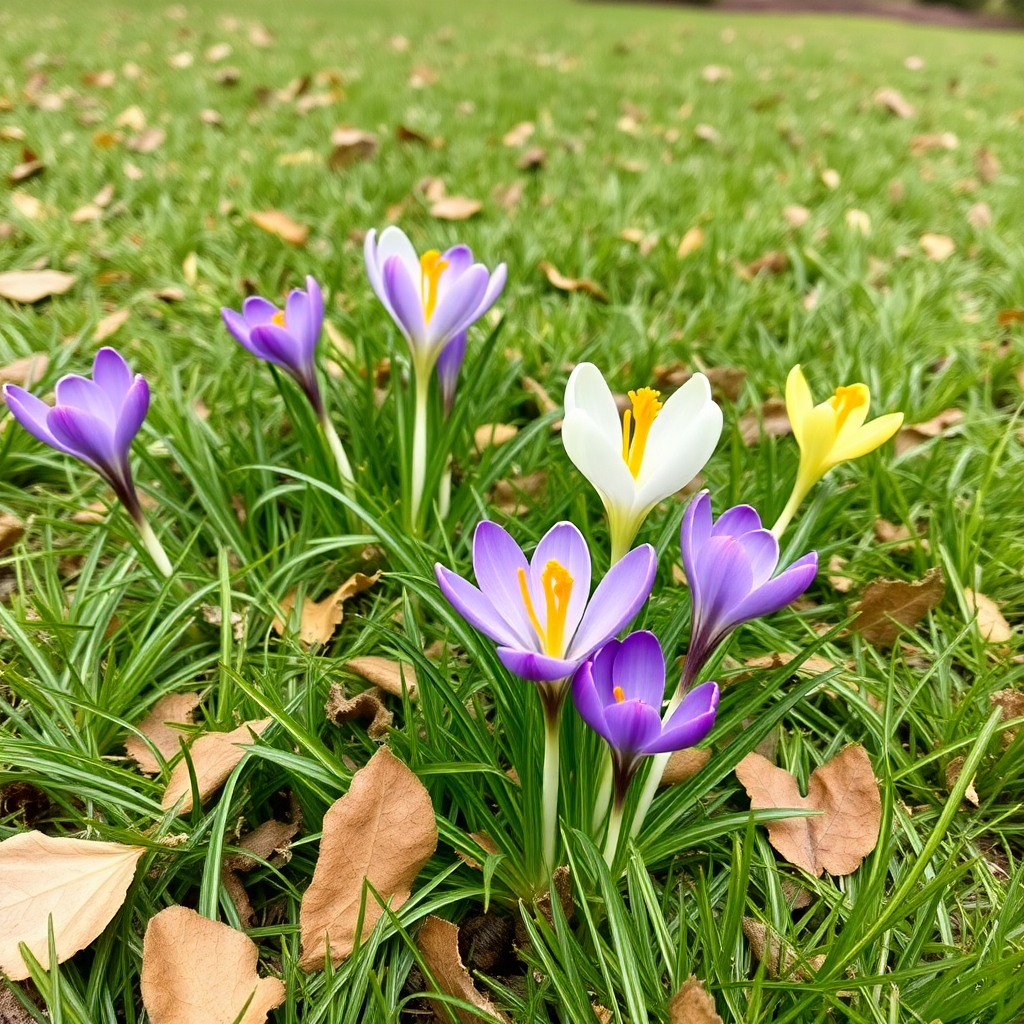
If you love fresh flowers, snip a few stems and place them in a vase. The delicate blooms last a week or more, bringing autumn’s quiet elegance indoors. (Just remember: all parts of the plant are toxic if ingested, so keep them away from pets and children.)
Final Thoughts
The fall crocus proves that beauty doesn’t have to be dramatic to be memorable. Its modest, cup‑shaped flowers appear just as summer fades, reminding us that every season holds its own surprises. By planting a few corms this autumn, you’ll enjoy a subtle, dependable splash of colour year after year—no fuss, no drama, just pure, simple garden joy. Happy planting!