The Disa Flower: A Tiny Wonder with a Big Story
If you ever wander through a South African garden or a misty mountain meadow, you might spot a delicate orchid that looks like a tiny lantern hanging from a leaf.
That’s the Disa flower, a member of the orchid family that has captivated botanists, gardeners, and nature lovers for more than two centuries. In this short post we’ll explore what makes the Disa so special, where it grows, and how you can enjoy it in your own garden.
Where Does the Disa Call Home?
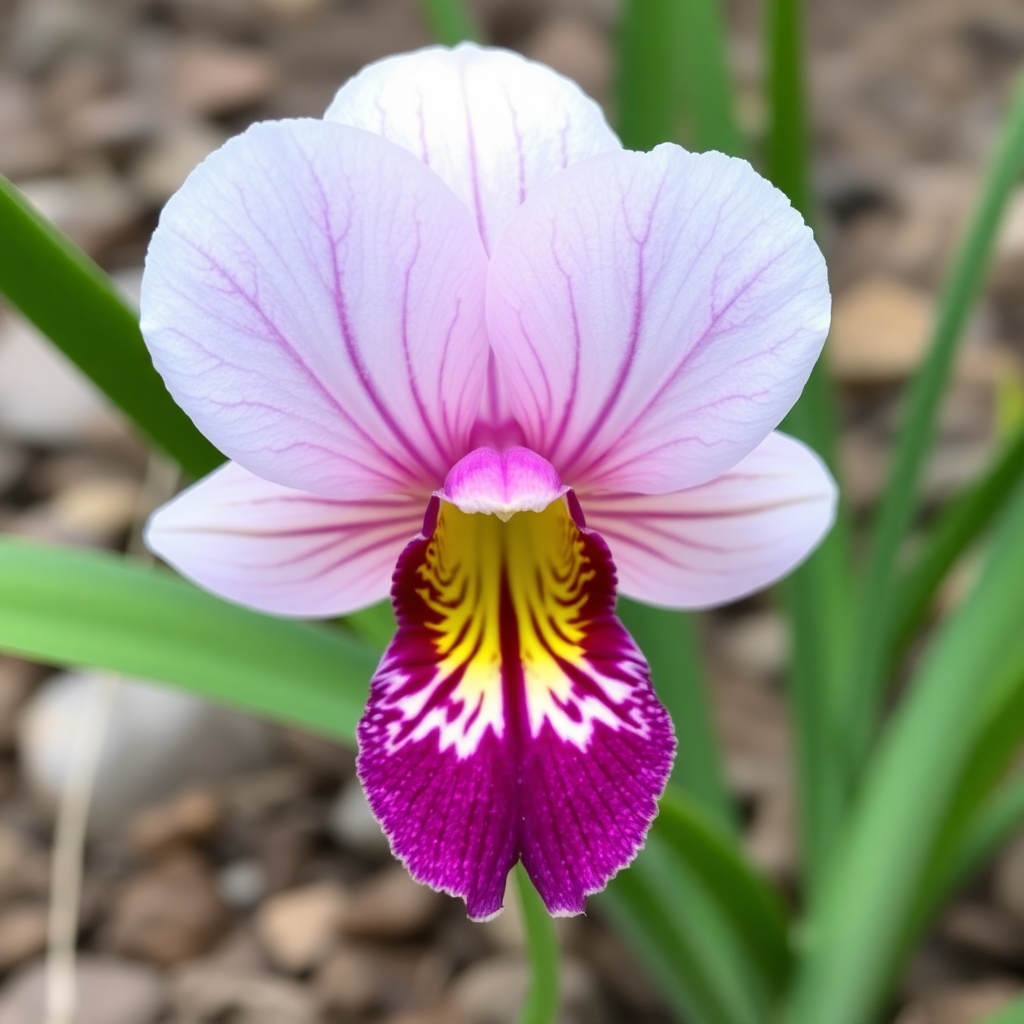
The genus Disa contains about 180 species, most of which are native to Southern Africa. Their natural habitats range from coastal fynbos (shrubland) to high‑altitude wetlands. The most famous species, Disa uniflora—often called the Red Disa— thrives in the cool, mist‑filled slopes of the Drakensberg Mountains. Other species prefer the sunny edges of streams, while a few even grow in swampy grasslands.
Because many Disa species love moist, well‑drained soil and cool evenings, they are excellent indicators of healthy, undisturbed ecosystems. When you see them blooming, you can be sure the surrounding environment is doing something right.
What Does a Disa Look Like?
Despite belonging to the orchid family, Disa flowers have a distinctive, almost “bird‑like” shape. The most recognizable feature is a long, slender spur that hangs beneath the labellum (the lip of the orchid). This spur stores nectar and attracts its primary pollinators—sunbirds and certain butterflies.
Colors vary widely: reds, oranges, yellows, and even pale greens. The petals are usually smooth and glossy, while the sepals may be slightly ruffled. Some species produce a single blossom per stem; others can bear a small cluster of two to five flowers.
A Tiny Tale of Evolution
The relationship between Disa orchids and their pollinators is a classic example of co‑evolution. Sunbirds, with their long beaks, have evolved to sip nectar from the Disa’s deep spur. In return, the bird brushes against the flower’s pollen packets (pollinia) and carries them to the next bloom. This mutual dependence helps keep both species thriving.
Scientists have also discovered that certain Disa species can self‑pollinate when pollinator numbers dip, ensuring that the plant can still produce seeds even in challenging years.
Growing Disa in Your Garden
If you’re intrigued by these orchids, you can try growing a hardy species like Disa cooperi (the Cooper’s Disa) or Disa uniflora in a temperate garden. Here are a few simple tips:
Soil: Use a mixture of loam, sand, and organic compost. The soil should stay moist but never water‑logged.
Light: Provide bright, filtered sunlight. A spot that receives morning sun and afternoon shade works well.
Water: Keep the roots consistently damp, especially during the growing season (spring to early autumn).
Temperature: Most Disa prefer cool nights (10‑15 °C) and moderate daytime warmth (18‑24 °C).
Propagation: Plant seeds in a sterile, well‑aerated medium, or split established tubers in early spring.
Remember, patience is key—Disa orchids can take a season or two to establish before they start flowering.
Why the Disa Matters
Beyond its beauty, the Disa flower reminds us of the intricate connections between plants, insects, and birds. It shows how a single species can influence an entire ecosystem, serving as food, shelter, and a visual cue for pollinators. By protecting Disa habitats, we help safeguard the broader biodiversity of Southern Africa.
Closing Thoughts
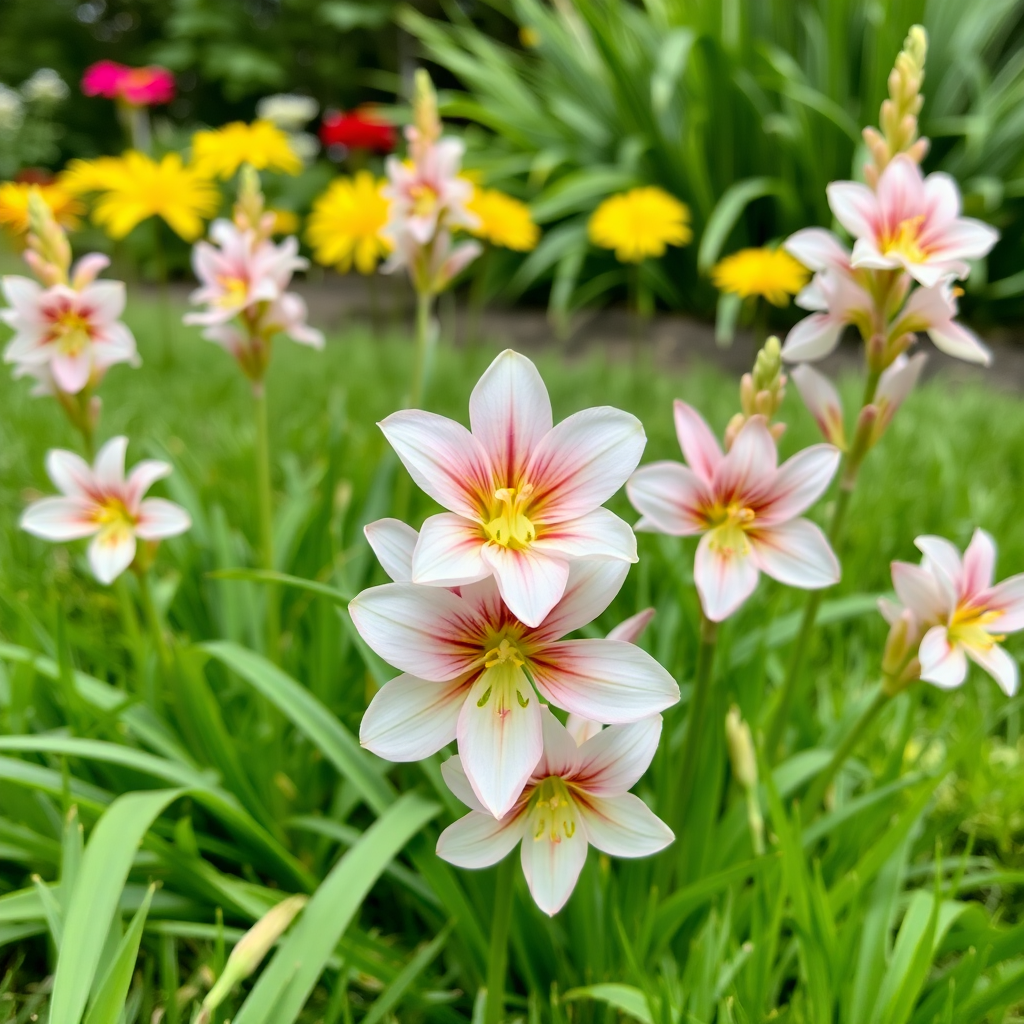
The next time you spot a tiny orchid with a dangling spur, pause and admire the Disa—a modest flower with a grand story. Whether you’re a seasoned gardener or a casual nature enthusiast, learning about the Disa adds a splash of color and a pinch of wonder to your appreciation of the natural world.
Happy planting, and may your garden bloom with the magic of Disa!