Tiger Flower: The Wild Beauty That Turns Gardens into Jungle Sanctuaries
If you’ve ever walked through a tropical rainforest, you’ll know that the most striking visual cues are the bold splashes of colour that break up the endless greens. In the world of horticulture, one plant does exactly that for a suburban garden: the Tiger Flower (Lycoris radiata).
With its fiery, orange‑red blossoms that seem to erupt from a sea of dark foliage, it has earned a reputation not only as a visual show‑stopper, but also as a cultural icon steeped in folklore, medicine, and pure garden drama.
A Quick Botanical Primer
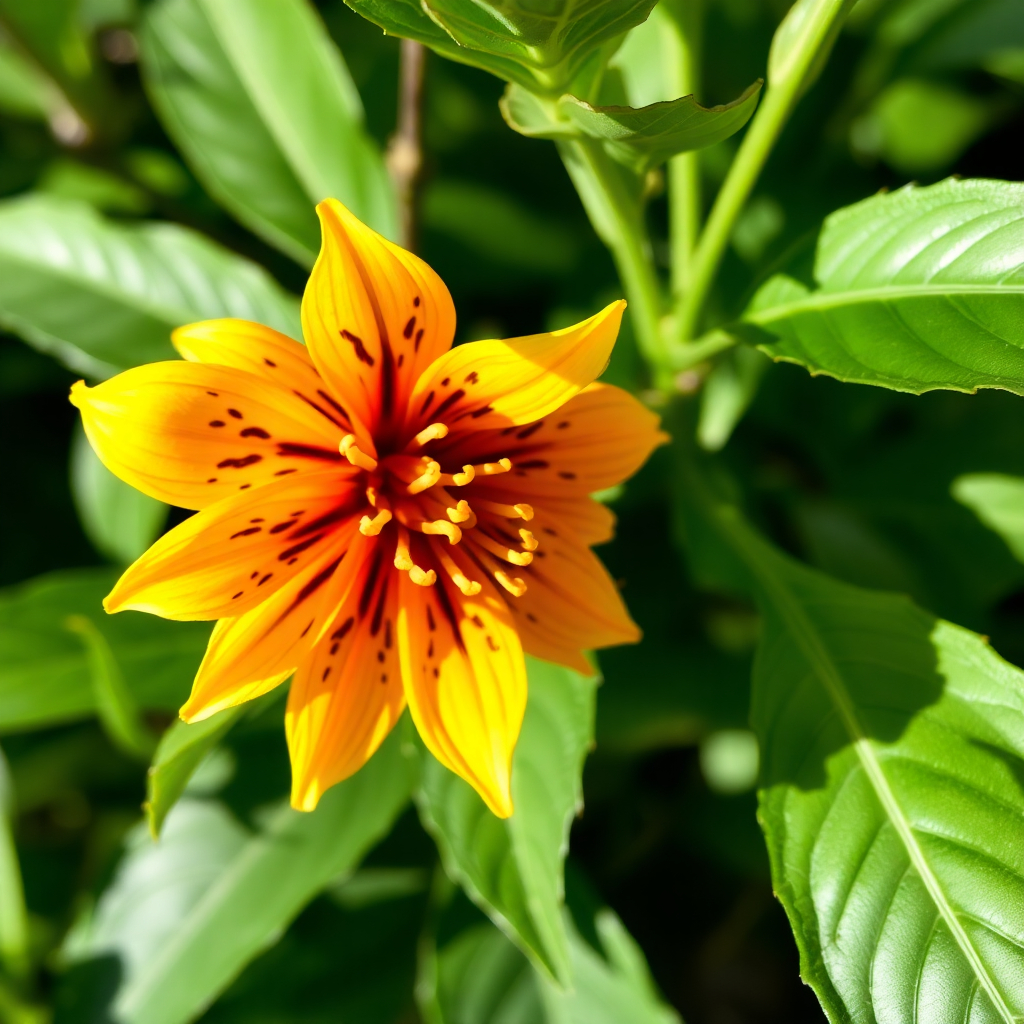
Tiger Flower belongs to the Amaryllidaceae family, the same clan that houses daffodils and snowdrops. Native to East Asia—particularly Japan, China, and Korea—the plant grows from a modest, globe‑shaped bulb that can reach 2–3 inches in diameter. In spring the foliage unfurls as long, strap‑like, dark‑green leaves that resemble those of an onion or lily. What truly sets the Tiger Flower apart is the timing of its bloom: the flowers appear in late summer to early autumn, often after the foliage has died back, creating a spectacular “ghost‑flower” effect where bright umbels of trumpet‑shaped blooms float above leafless stems.
Each flower is a perfect five‑petaled star, its interior a blazing orange‑red that fades to a softer yellow at the tips—a coloration that has inspired the common name “tiger”. The stems can reach 2–3 feet, making the plant a dramatic vertical accent in any planting scheme.
Garden Uses: From Borders to Night‑Lamps
Because Tiger Flower blooms after most summer perennials have finished, it fills a seasonal gap that many gardeners dread. Plant it in groups of three to five bulbs, spacing them 6–8 inches apart, and you’ll enjoy a sudden burst of colour that can serve as a focal point, a backdrop for autumnal planting, or even a natural “night‑lamp.” The flowers open in the late afternoon and stay fresh through the night, emitting a faint, sweet fragrance that is most noticeable after dusk—a subtle nod to its nickname, “the flower of the night.”
Tiger Flower is remarkably low‑maintenance. It thrives in well‑drained soil, prefers full sun to light shade, and is drought‑tolerant once established. Bulbs can be planted in the fall and will overwinter in most USDA zones 5‑9, making it an accessible choice for a wide range of climates.
Symbolism & Folklore
In Japan, the flower is known as higanbana (“flower of the after‑life”) and is traditionally planted near temples and cemeteries. Legend says the blossoms guide wandering spirits, while in Chinese folklore they symbolize courage and a fierce will—much like a tiger prowling its territory. These cultural layers add an extra dimension to the plant’s garden presence, making it a conversation starter for visitors who appreciate both beauty and story.
A Note on Toxicity
All parts of the Tiger Flower contain lycorine, a toxic alkaloid. While the plant is safe for ornamental use, it should be kept out of reach of children and pets. If you plan to incorporate it into a cutting garden, wear gloves when handling the bulbs and wash hands thoroughly afterward.
Bringing the Tiger Home
If you’re looking for a plant that delivers drama, cultural intrigue, and a splash of daring colour when most gardens are winding down, Tiger Flower is the answer. Its effortless elegance, modest care requirements, and late‑season bloom make it a standout addition to any garden—turning a simple backyard into a miniature jungle sanctuary where the tiger’s spirit roams free. Plant a few bulbs this autumn, and let the night‑blossoming tiger awaken your garden’s wild side.