Blue‑Eyed Grass: The Humble Wildflower That Steals the Spotlight
When you think of meadow‑filled landscapes, the first image that usually comes to mind is a riot of bold colors—bright reds, sunny yellows, or deep purples. Yet, tucked among the taller stems lies a modest, sky‑blue marvel that often goes unnoticed: the blue‑eyed grass (Sisyrinchium angustifolium). Despite its unassuming name, this delicate wildflower is a botanical treasure worth celebrating.
A Quick Portrait
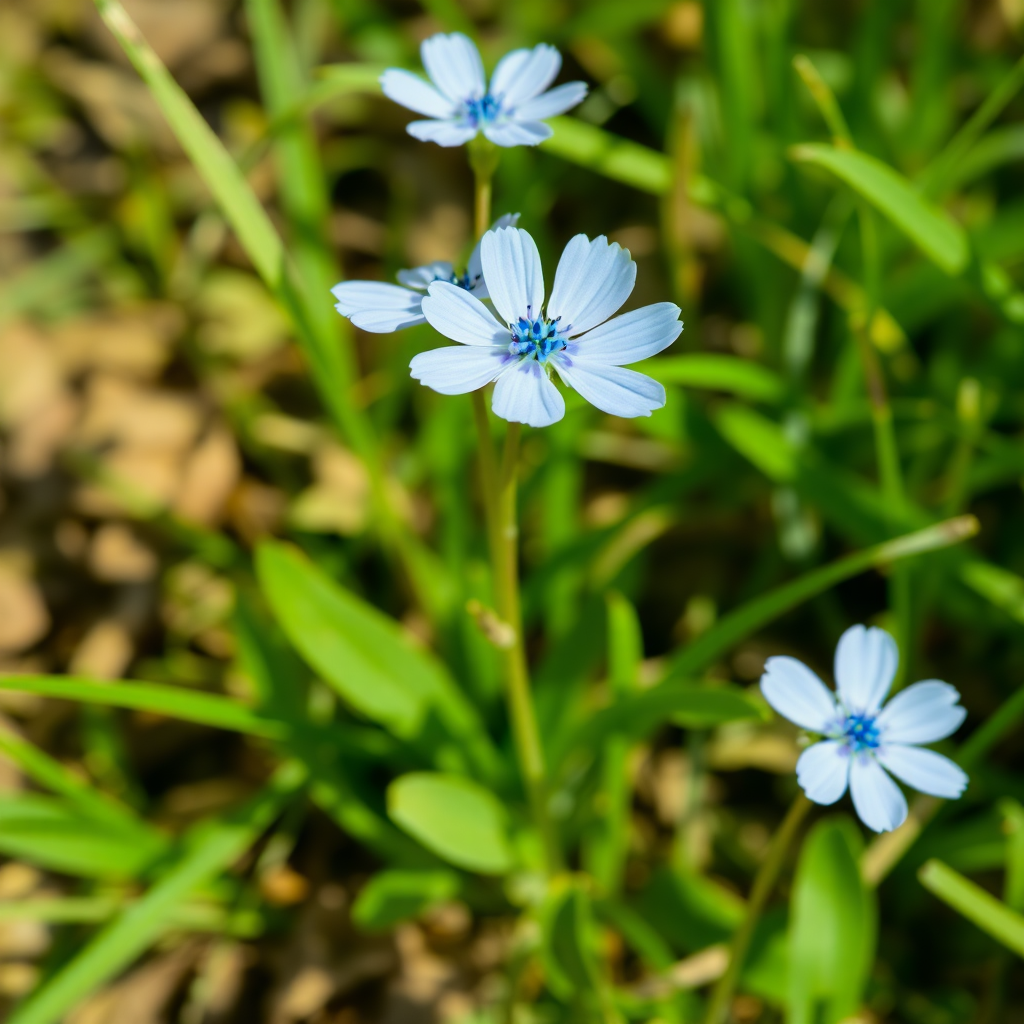
Blue‑eyed grass belongs to the Iridaceae family, the same lineage that boasts irises and crocuses. Its name is no misnomer: each bloom displays a petite, star‑shaped flower with a vivid sapphire hue that seems to echo the clear summer sky. The petals are slender, almost translucent, and surround a contrasting golden or white throat that draws the eye—hence the “eye” in its common name.
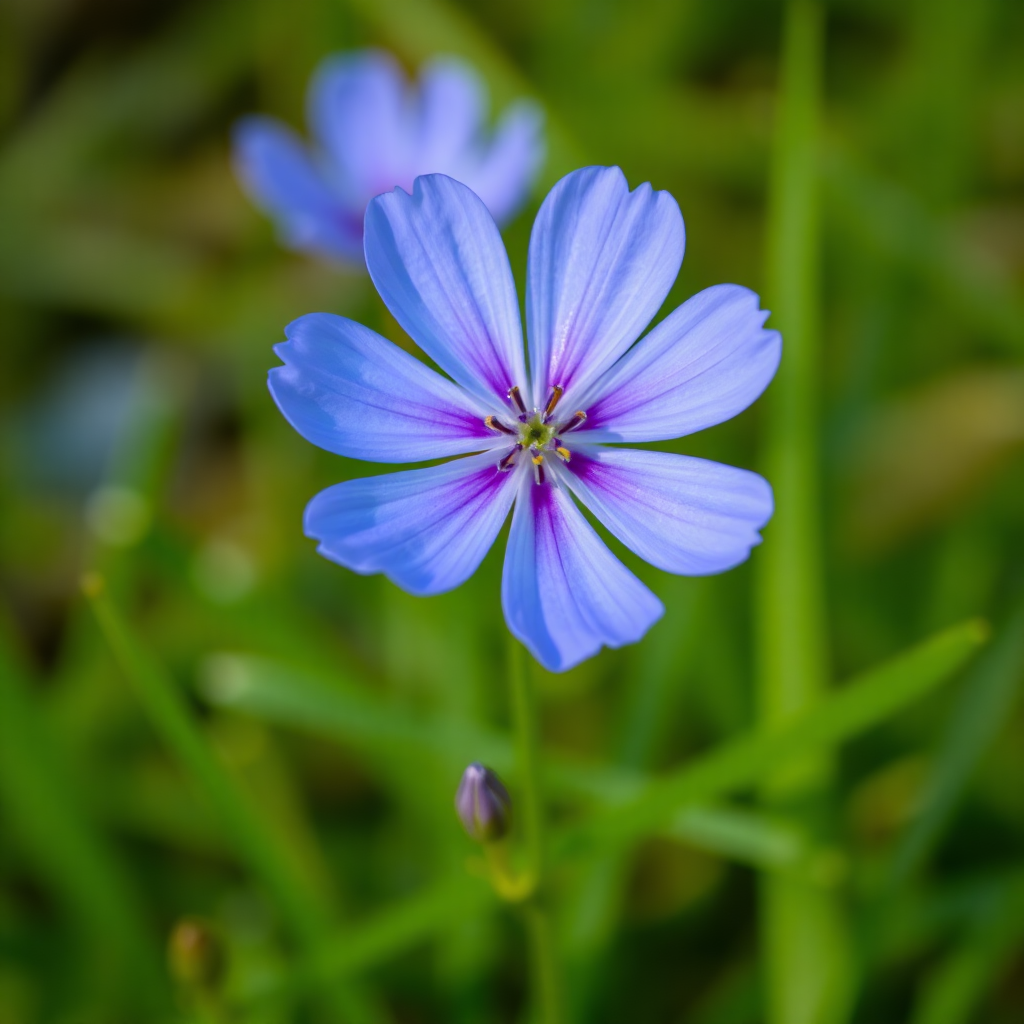
The foliage is equally striking. Thin, grass‑like leaves emerge from a modest rhizome, forming neat clumps that sway gently with the breeze. In height, the plant typically reaches 12‑18 inches, making it a perfect low‑lying accent in both natural meadows and cultivated gardens.
Where It Calls Home
Native to much of North America—from the prairie expanses of the Midwest to the open woodlands of the East Coast—blue‑eyed grass thrives in well‑drained soils and full sun. It is a pioneer species, often the first to colonize disturbed ground, such as after a fire or construction. Its resilience stems from a deep‑rooted rhizome system that stores nutrients, allowing it to bounce back year after year.
Because it tolerates both dry, sandy sites and slightly moist, loamy patches, you’ll frequently find it dotted along roadways, prairie remnants, and even the edges of wetlands. Its ability to flourish in diverse conditions makes it an excellent candidate for xeriscaping and low‑maintenance native gardens.
A Hidden Ecological Hero
Beyond its visual charm, blue‑eyed grass plays a pivotal role in supporting pollinator health. Its early summer bloom provides nectar for native bees, hoverflies, and even some butterfly species that are otherwise starved for food in the mid‑season gap between spring wildflowers and late‑summer blooms. Moreover, its seed heads are a valuable food source for finches and sparrows during migration.
Because the plant spreads via rhizomes rather than aggressive seed dispersal, it coexists peacefully with neighboring flora, contributing to plant diversity without overwhelming its companions.
Garden Tips for the Enthusiast
If you’re inspired to invite this blue jewel into your own landscape, keep these basics in mind:
Soil & Sun: Choose a spot that receives at least six hours of direct sunlight and offers well‑draining soil. Amend heavy clay with sand or fine gravel if needed.
Planting: Space rhizomes about 8‑10 inches apart. Plant them at the same depth they were growing in their container, and water lightly until established.
Watering: Once rooted, the species is drought‑tolerant. A deep watering once a week during the first growing season is sufficient.
Maintenance: Cut back spent foliage in late fall to encourage fresh growth in spring. Divide clumps every three to four years to prevent overcrowding.
Closing Thoughts
Blue‑eyed grass may lack the flamboyance of a showy rose or a towering sunflower, but its subtle elegance and ecological contributions make it a standout star in the plant world. By appreciating and planting this modest wildflower, we not only add a splash of sky‑blue to our gardens but also nurture the intricate web of life that depends on it. So next time you stroll through a meadow, pause for a moment—perhaps you’ll spot those tiny sapphire eyes, reminding you that beauty often resides in the quiet, unassuming corners of nature.