The Beauty and Boldness of the Euphorbia Flower
When you think of colorful, eye-catching blooms, the Euphorbia flower might not be the first to come to mind—but it should be. Often mistaken for cacti or mistaken as a single flower, Euphorbia is actually a large and diverse genus of plants with over 2,000 species. From towering succulents to delicate garden perennials, Euphorbias bring bold structure and unique charm to any landscape.
One of the most striking features of the Euphorbia flower is its appearance. What looks like a single colorful bloom is actually a cluster of tiny flowers surrounded by petal-like leaves called bracts.
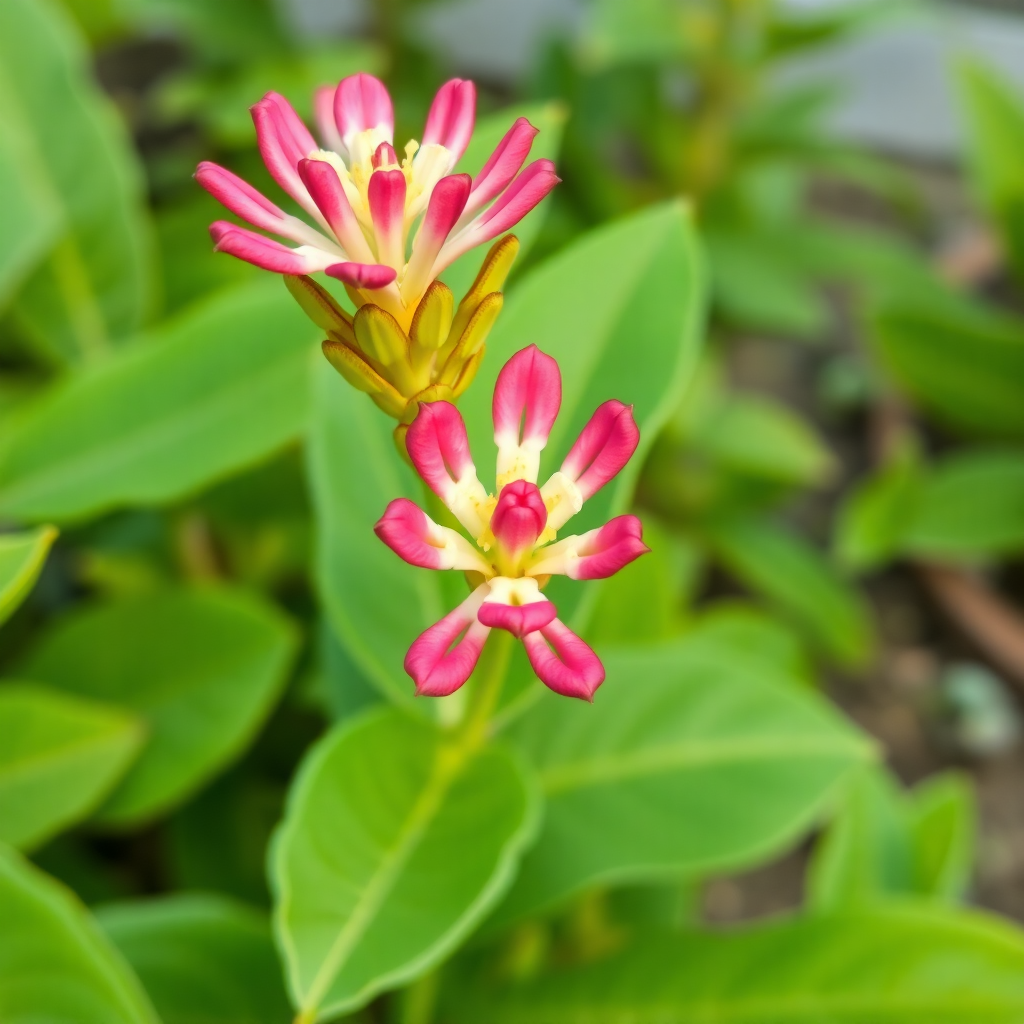
These bracts can be bright green, yellow, red, pink, or white, giving the plant its vivid visual appeal. The true flowers are tiny and sit in the center, often hidden within the bracts. This clever design helps attract pollinators while protecting the delicate reproductive parts.
Euphorbias are incredibly adaptable. Some, like the Crown of Thorns (Euphorbia milii), thrive in dry, sunny climates and are perfect for succulent gardens.
Others, such as Euphorbia characias (Mediterranean spurge), are excellent for borders and flower beds, adding texture and vertical interest. They’re low-maintenance, drought-tolerant, and often resistant to deer and rabbits—making them a favorite among gardeners.
Despite their beauty, Euphorbias come with a warning: they produce a milky sap called latex, which can irritate the skin and eyes. Always wear gloves when pruning or handling these plants, and keep them away from curious pets and children.
In the garden, Euphorbias are valued for their architectural form and long blooming season. Many varieties flower in late winter or early spring, bringing life to gardens when little else is in bloom. Their upright growth habit pairs well with soft, flowing plants like lavender or ornamental grasses.
Beyond their ornamental use, some Euphorbia species have been used in traditional medicine, though this should only be done under expert guidance due to their toxicity.
Whether you're drawn to the dramatic spines of a succulent Euphorbia or the soft, cloud-like blooms of a garden variety, there's a type for nearly every garden style. Hardy, stylish, and full of character, Euphorbias are nature’s way of proving that bold beauty doesn’t always come in soft petals.
So next time you’re planning your garden, consider the Euphorbia—a flower that’s as tough as it is beautiful.