Nolana Blooms: The Little Star‑Shaped Marvels Worth Your Garden’s Attention
If you’ve ever walked along a breezy coastal path and spotted delicate, star‑shaped blossoms clinging stubbornly to the sand, chances are you’ve encountered a member of the Nolana genus.
Often called “Peruvian lanterns” or “tumbleweed blossoms,” these modest‑looking flowers pack a punch of color, resilience, and ecological value—making them surprisingly versatile garden companions. Below, we explore what makes Nolana a hidden gem for both seasoned horticulturists and casual weekend gardeners.
A Quick Botanical Snapshot
Nolana belongs to the Solanaceae family, the same lineage that boasts tomatoes, potatoes, and nightshades. Native to the arid coasts of South America—particularly Peru, Chile, and Argentina—these plants have evolved to thrive in salty, wind‑blasted soils where many garden favorites would quickly wilt. Their growth habit ranges from low‑lying mats that spread across the ground to compact, upright shrubs that reach about 12 inches tall.
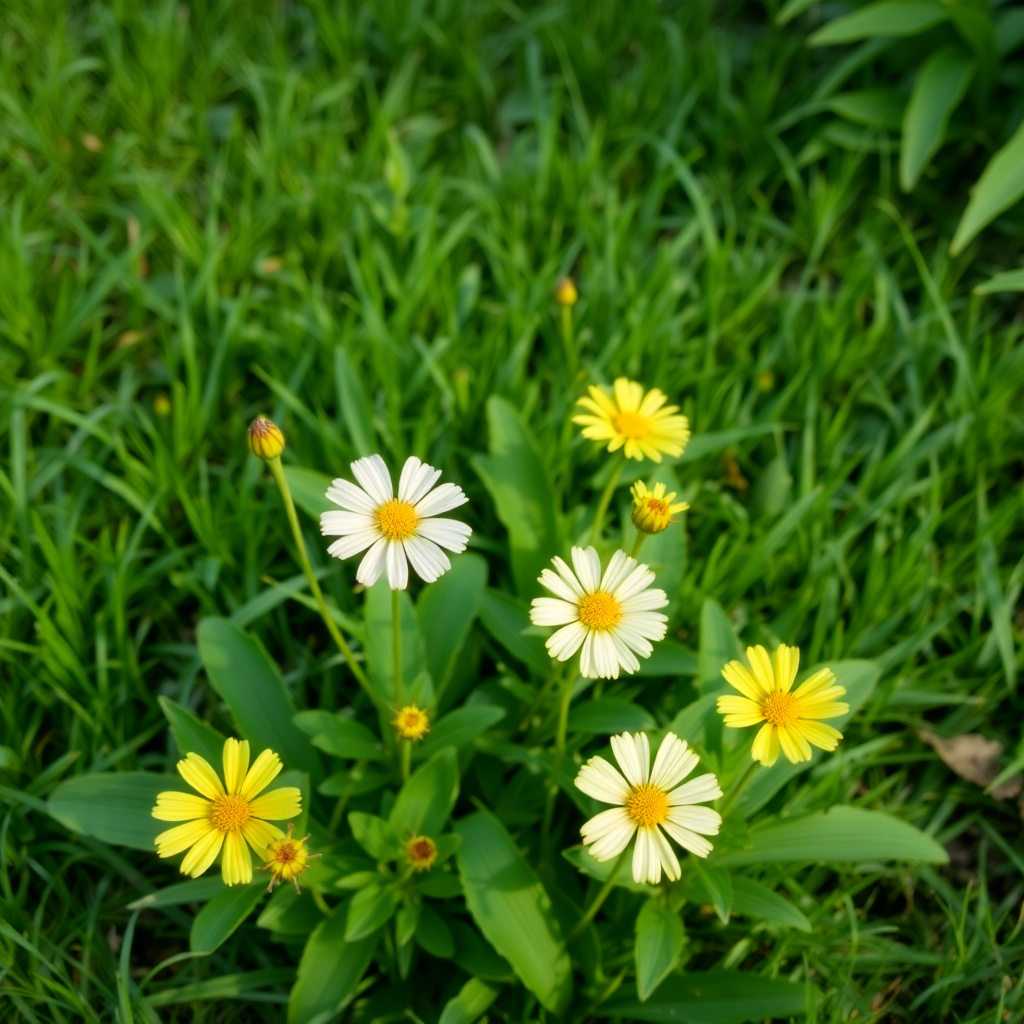
The signature feature is the flower itself: five or six slender petals arranged in a perfect star, often in shades of brilliant white, soft pink, buttery yellow, or deep magenta. Blooms appear from early spring well into the fall, and each flower can persist for several weeks, providing a continuous splash of color.
Why Nolana Deserves a Spot in Your Garden
Salt Tolerance – If you garden near the ocean, a salt‑sprayed patio, or even a raised bed with reclaimed soil, Nolana thrives where many ornamental plants struggle. This tolerance makes it an ideal front‑line border plant for coastal landscapes.
Drought Resilience – Deep taproots and succulent‑like leaves store moisture, allowing the plant to endure extended dry spells with minimal watering.
Pollinator Magnet – The open, shallow flower shape welcomes a variety of insects—bees, hoverflies, and even small butterflies—making Nolana a low‑maintenance pollinator booster.
Ground‑Cover Greatness – The trailing varieties spread quickly, suppressing weeds while creating a soft, velvety carpet that adds texture to rock gardens, dry riverbeds, and xeriscape designs.
| Planting and Care | Tips |
|---|---|
| Aspect | Recommendation |
| Soil | Well‑draining, sandy loam. A mix of coarse sand, perlite, and a modest amount of organic compost works wonders. |
| Sunlight | Full sun to light shade. At least 5–6 hours of direct light encourages prolific blooming. |
| Water | Water sparingly after establishment—once every 10–14 days, or when the top inch of soil feels dry. Over‑watering can lead to root rot. |
| Spacing | Space plants 6–12 inches apart for mat‑forming species; give upright varieties a bit more room to allow airflow. |
| Pruning | Light trimming after the first flush removes spent blooms and promotes a second wave of flowers. |
| Winter | In USDA zones 8–10, Nolana is evergreen. In colder zones, treat it as an annual or bring potted specimens indoors for the frost season. |
Creative Uses Beyond the Bed
Edible Appeal – Some Nolana species produce edible fruits and leaves that are mildly sweet and used in traditional Peruvian cuisine. While most garden cultivars are ornamental, it’s worth exploring culinary varieties if you love farm‑to‑table experiments.
Floral Arrangements – Their star‑shaped blooms hold up well in water, making them a charming addition to wild‑style bouquets and dried flower crafts.
Erosion Control – The vigorous root system stabilizes loose soil on slopes and dunes, a natural solution for small-scale erosion problems.
Final Thought
In a world that increasingly values sustainable, low‑input gardening, Nolana stands out as a modest yet mighty candidate. Its vibrant stars, tolerance for harsh conditions, and pollinator‑friendly nature allow you to create beautiful, resilient landscapes without constant upkeep.
So the next time you stroll by the sea or scout for a hardy ground cover, give Nolana a second glance—it may just become the unexpected star of your garden.