The Charming Bloom of the Flowering Dogwood
When spring arrives, many gardens burst into color, but few flowers capture the eye quite like the flowering dogwood ( Cornus ). With its striking white, pink, or red bracts that look like oversized petals, the dogwood adds a touch of elegance and romance to any landscape. Let’s explore what makes this tree so special, how to grow it, and a few simple tips for keeping it happy year after year.
What Is a Flowering Dogwood?
Botanical family: Dogwoods belong to the Cornaceae family.
Common species: The most popular garden varieties are the flowering dogwood (Cornus florida), the Japanese dogwood (Cornus kousa), and the Chinese dogwood (Cornus x media).
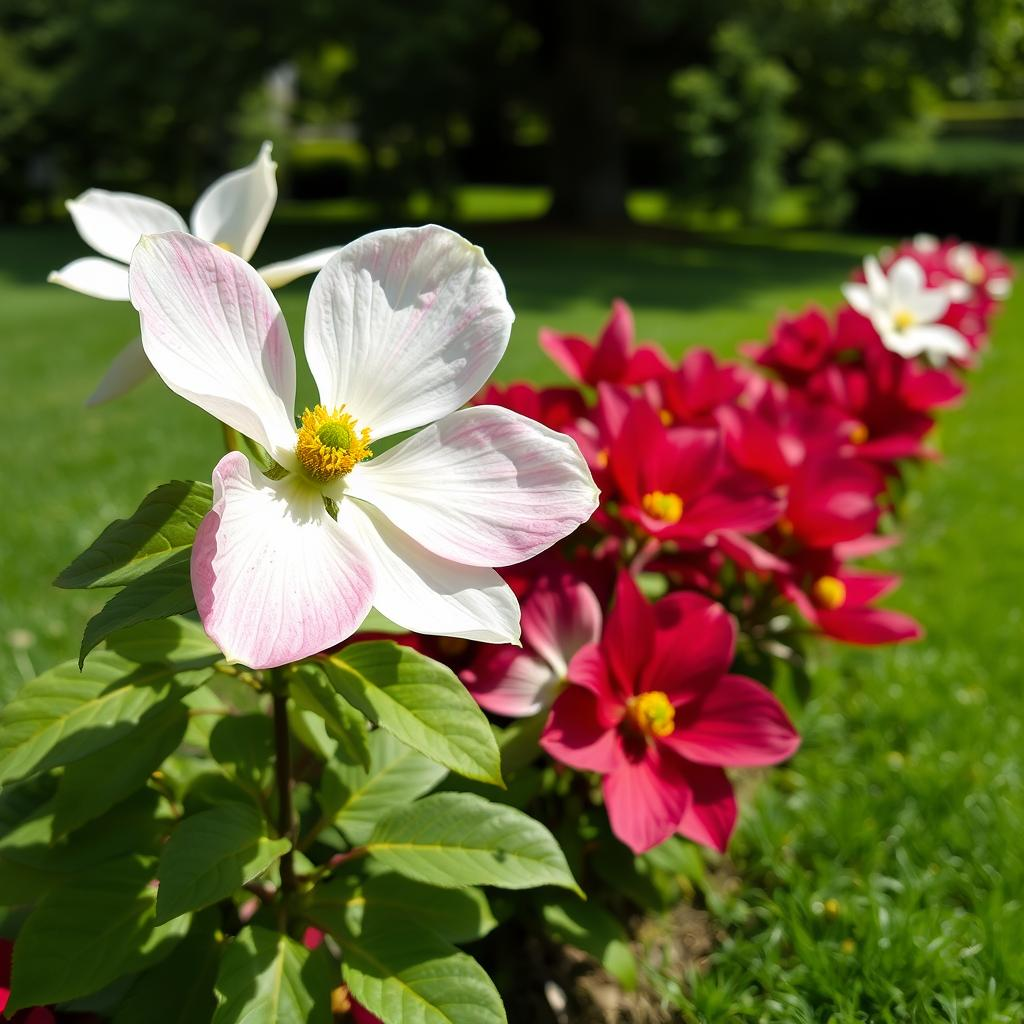
Flower look‑alike: What we call “flowers” are actually bright bracts—modified leaves—that surround a cluster of tiny true flowers in the center. The bracts can be white, pink, or deep red, while the real flowers are small and yellowish.
Why Gardeners Love Dogwoods
Seasonal drama – In early to mid‑spring, the dogwood’s bracts open wide, creating a bold splash of color before the leaves appear.
Compact size – Most garden varieties stay between 8 and 15 feet tall, making them perfect for small yards or as focal points in larger beds.
Wildlife friendly – The tree produces berries that attract birds, and the tiny flowers provide a food source for early pollinators.
Low maintenance – With the right site, dogwoods need little pruning or fertilizing beyond the basics.
Planting Basics
Step What to Do Why It Matters
Choose the right spot Plant in a location with partial shade—morning sun and afternoon shade works best. Too much direct sun can scorch the leaves; too much shade limits blooming.
Check soil Well‑draining, slightly acidic soil (pH 5.5‑6.5). Add compost if the soil is heavy clay. Dogwoods dislike waterlogged roots, which can cause crown rot.
Space correctly Give each tree at least 6‑8 feet of space from neighbors. Good air circulation reduces fungal disease risk.
Water wisely Keep soil consistently moist for the first year, then water during dry spells. Roots need steady moisture while establishing.
Mulch Apply a 2‑inch layer of organic mulch around the base, keeping it away from the trunk. Mulch retains moisture and suppresses weeds.
Simple Care Tips
Prune after blooming. Remove dead or crossing branches, and thin out the canopy to improve light penetration.
Watch for powdery mildew. If you notice a white dust on leaves, prune affected limbs and improve airflow. A mild fungicide can help.
Feed lightly. In early spring, use a balanced, slow‑release fertilizer (10‑10‑10) if the soil is poor. Over‑fertilizing can lead to weak wood.
Protect from extremes. Young dogwoods benefit from a windbreak in harsh winter winds and from a shade cloth during scorching summer days.
A Little Inspiration
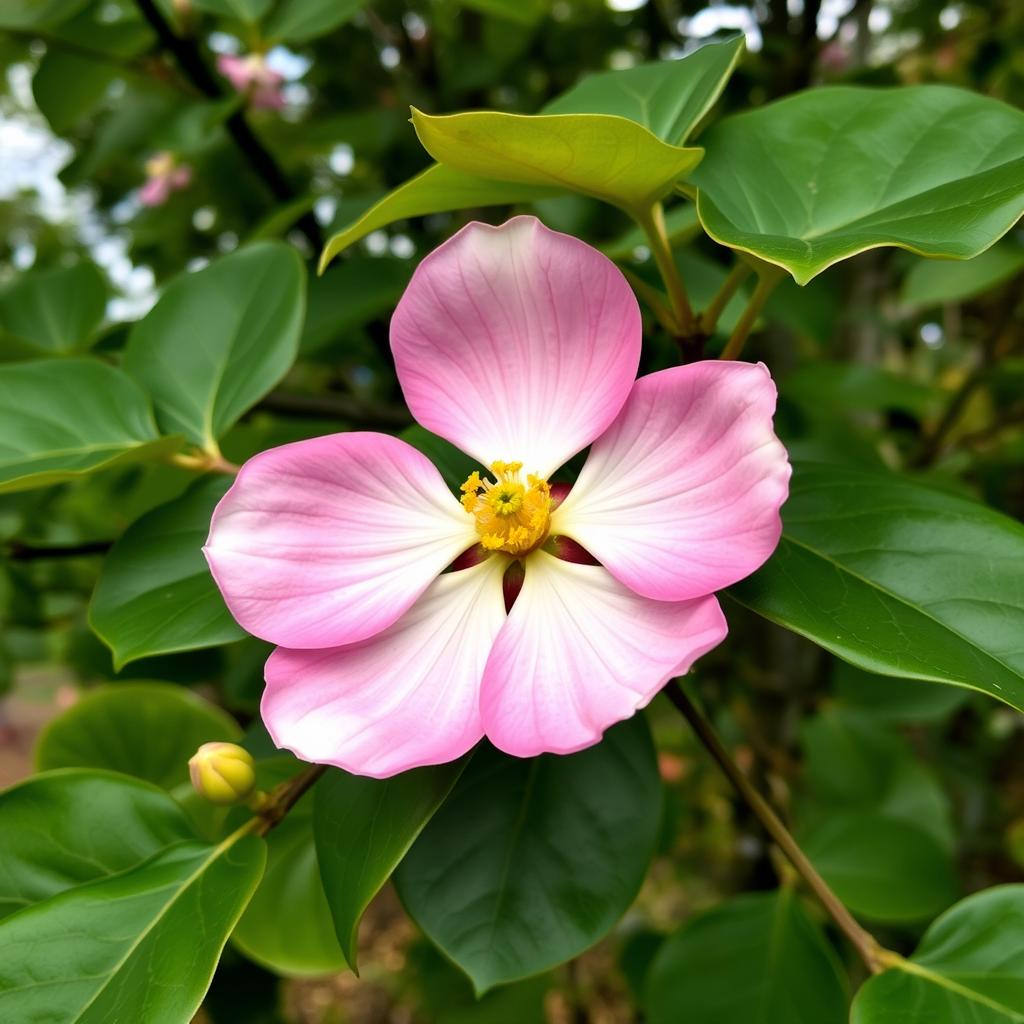
Picture a quiet backyard path lined with graceful dogwoods, each tree bursting into a cloud of creamy white bracts as you walk by. Beneath them, songbirds chatter among the red berries, while butterflies sip the tiny yellow flowers hidden within. It’s a simple scene, yet it embodies the quiet beauty that a flowering dogwood brings to any garden.
Bottom line: The flowering dogwood is an easy‑to‑grow, eye‑catching addition that rewards gardeners with a stunning spring display and year‑round interest. With a little attention to light, soil, and moisture, you’ll enjoy its graceful blooms for decades to come. Plant one today, and let your garden speak the language of spring.