Candytuft: The Sweet‑Scented Star of the Garden
If you’ve ever walked through a spring garden and been greeted by clouds of delicate white blooms that seem to whisper “candy” on the breeze, you’ve probably met Candytuft (genus Iberis). This modest yet charismatic biennial or short‑lived perennial has been stealing the spotlight in borders, rock gardens, and container displays for decades, and for good reason.
Its compact habit, fragrant blossoms, and surprisingly low‑maintenance nature make it a go‑to choice for both novice gardeners and seasoned horticulturists.
A Brief Botanical Snapshot
Candytuft belongs to the Brassicaceae family, the same lineage that produces mustards, broccoli, and kale. Native to the rocky slopes of the Mediterranean, the plant has adapted to thrive in well‑drained, often poor soils—an evolutionary trick that translates into garden resilience.
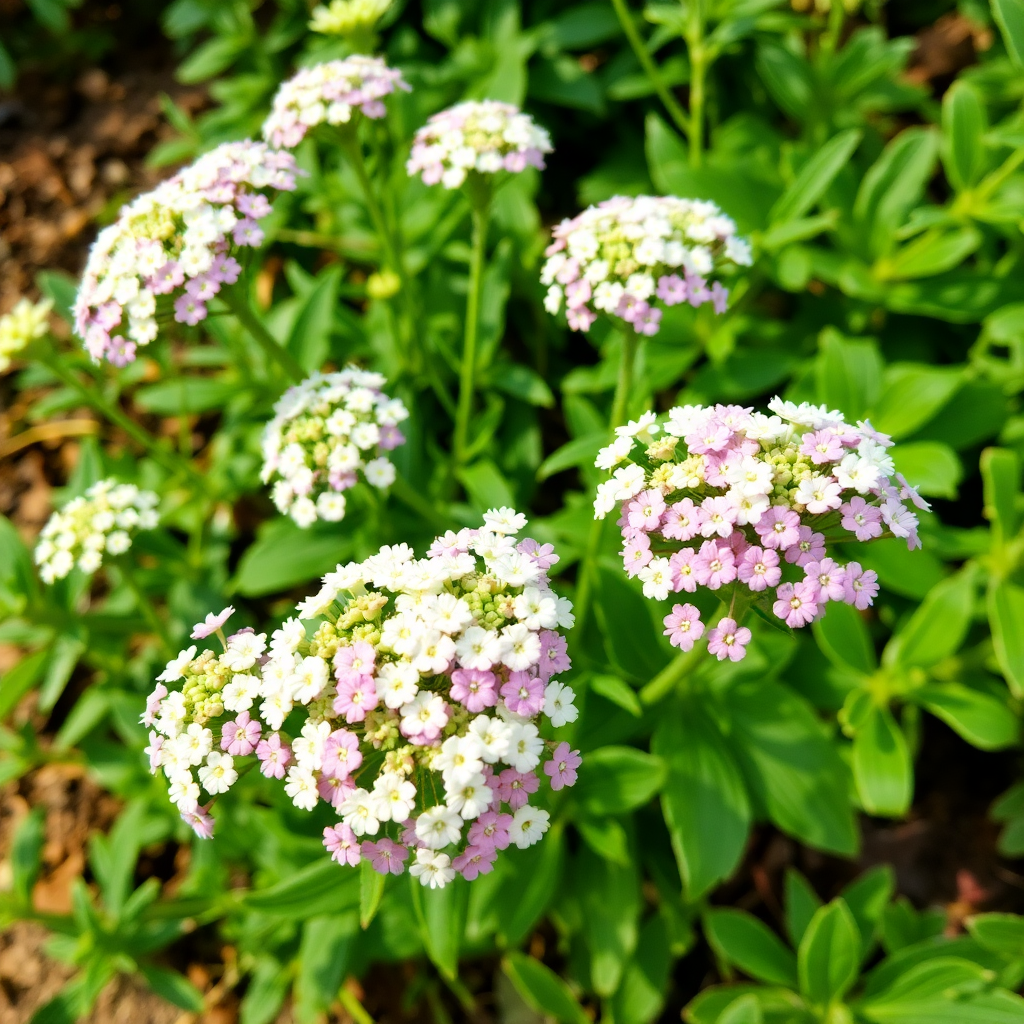
The most common cultivated species is Iberis sempervirens, a semi‑evergreen that produces dense racemes of star‑shaped flowers ranging from pure white to soft pink. Blooms appear in early spring and can linger well into early summer, especially when dead‑headed regularly.
Why Gardeners Love It
Continuous Color – Unlike many spring bulbs that fade quickly, candytuft provides a steady stream of blossoms. The flowers’ airy texture adds a light, airy feel to mass plantings.
Fragrance – The name is no accident; the blossoms emit a faint, sweet scent reminiscent of candied sugar, subtly perfuming nearby patios or pathways.
Versatility – Its low, spreading habit (typically 8–12 inches tall) makes it perfect for edging, rock gardens, container fronts, and even as a ground‑cover between stepping stones.
Drought Tolerance – Once established, candytuft tolerates dry spells, a trait inherited from its Mediterranean ancestors.
Planting & Care Tips
Soil & Sun: Choose a location with full sun to part‑shade and well‑draining soil. A gritty loam mixed with sand or fine gravel works wonders.
Spacing: Plant 8–12 inches apart to allow the clumps to fill in without crowding.
Watering: Keep the soil evenly moist during the first few weeks after planting. After the roots are established, water sparingly—over‑watering can invite root rot.
Feeding: A light application of a balanced, slow‑release fertilizer in early spring supports vigorous growth, though many gardeners find it unnecessary.
Maintenance: Pinch back spent flower stems to encourage a second flush and maintain tidy foliage. In colder zones, treat candytuft as a biennial—let it set seed in its second year, then reseed or purchase new plants for the next season.
Design Ideas
Rock‑Garden Spotlight: Nestle candytuft among alpine stones and low succulents for a natural alpine look.
Container Cascades: Plant in a trough or hanging basket, allowing the foliage to cascade over edges—perfect for balconies.
Mixed Borders: Pair with lavender, thyme, or ornamental grasses for a Mediterranean palette that thrives on dry, sunny conditions.
A Sweet Closing
Whether you’re seeking a reliable spring burst of color, a fragrant blanket for a patio, or a hardy plant that won’t demand constant attention, candytuft delivers on all fronts. Its understated elegance and sweet aroma make it a subtle yet unforgettable star in any garden composition. So next time you plan your spring planting, consider inviting a few clumps of Iberis into the mix—your garden (and your senses) will thank you.