Clarkia Flowers: A Tiny Beauty Worth Knowing
If you love gardens, you’ve probably seen the delicate, pink‑ish blossoms that sway in the summer sun. Those are Clarkia flowers – a small but charming group of plants that are easy to grow and bring instant color to any space. In this short guide we’ll tell you what Clark Clarkia is, why it’s special, and how you can enjoy it in your own garden.
What Is a Clarkia?
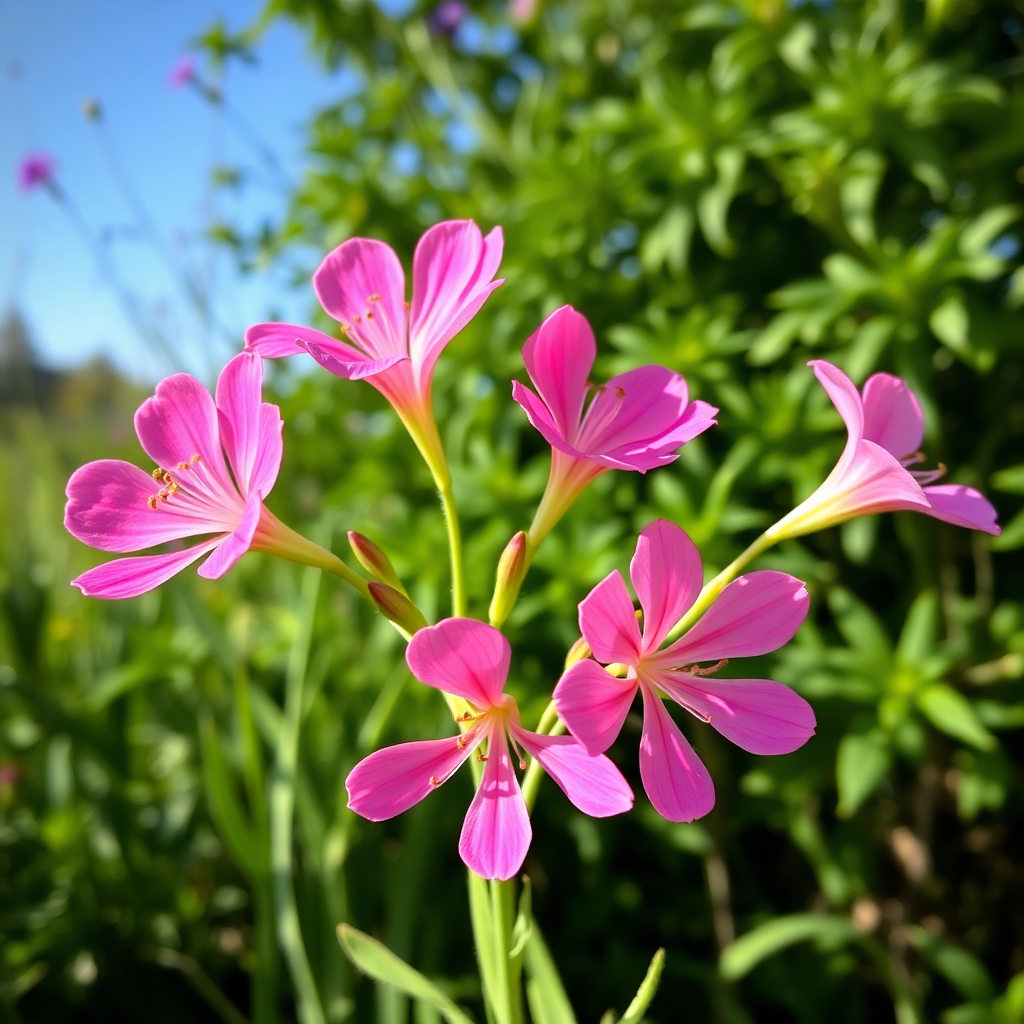
Clarkia is a genus of about 15 species native to western North America. The plants are annuals, which means they complete their life cycle in one growing season. Their flowers are usually pink, red, white or lavender, with five petals that open like tiny trumpets. The most famous member is Clarkia amoena, often called “Farewell to Spring.”
Why Gardeners Love Clarkia
First, Clarkia is very low‑maintenance. It prefers full sun and tolerates a range of soils, from sandy to loamy. Second, the blooms appear quickly – often within three weeks after planting – and keep flowering all summer long. Finally, the flowers attract bees, butterflies and hummingbirds, adding life and movement to the garden.
Planting Basics
When to sow – In most climates, start seeds indoors in late winter (about 6–8 weeks before the last frost) or sow them directly outdoors after the danger of frost has passed.
Soil prep – Loosen the top few inches of soil, add a bit of compost, and keep the ground well‑drained.
Spacing – Plant seeds about ¼ inch deep and thin seedlings to 6–12 inches apart, depending on the variety. This gives each plant room to spread.
Caring for Your Clarkia
Water the plants regularly, especially during dry spells, but avoid soggy soil. A light mulch of straw or shredded leaves helps retain moisture and suppress weeds. Because Clarkia is an annual, it will die back after the first frost, making room for new plants the following year.
Popular Varieties
| Variety | Color | Height | |
|---|---|---|---|
| Clarkia | amoena | Soft pink | 12‑18 in |
| Clarkia | pulchella | Deep magenta | 18‑24 in |
| Clarkia | elegans | White with pink edges | 12‑15 in |
| Clarkia gracilis | Lavender | 10‑14 in |
Each type offers a slightly different shade, so you can mix and match for a rainbow effect.
Fun Facts
The name “Clarkia” honors William Clark of the Lewis and Clark expedition, who collected many of the early specimens.
In the early 1900s, Clarkia flowers were used by florists to make inexpensive cut‑flower arrangements.
Some Native American tribes used the seeds as a food source, grinding them into a fine meal.
Using Clarkia in Design
Because the stems are slender and the blooms are compact, Clarkia works well in containers, rock gardens, and even as a border plant along pathways. Pair it with low‑growth herbs like sage or thyme for a garden that looks natural and effortless.
Final Thoughts
If you want a burst of color without a lot of fuss, give Clarkia a try. Its quick growth, bright flowers, and friendly nature make it a perfect choice for beginners and seasoned gardeners alike. Plant a few seeds this spring, and watch your garden greet summer with a gentle, pink‑tinged smile. Happy gardening!