Chionodoxa – The Little Snow‑White Star of the Garden
If you’re looking for a modest yet striking plant to brighten your spring borders, the Chionodoxa (commonly called “Glory of the Snow”) might be just what you need. Despite its delicate appearance, this tiny bulb is surprisingly easy to grow and adds a burst of colour when many other plants are still sleeping.
What Is a Chionodoxa?
Chionodoxa belongs to the genus Scilla and is native to the rocky hillsides of the Mediterranean, especially Turkey and Greece. The name comes from the Greek words chion (snow) and doxa (glory), which perfectly describes its snow‑white, star‑shaped flowers that open in early spring.
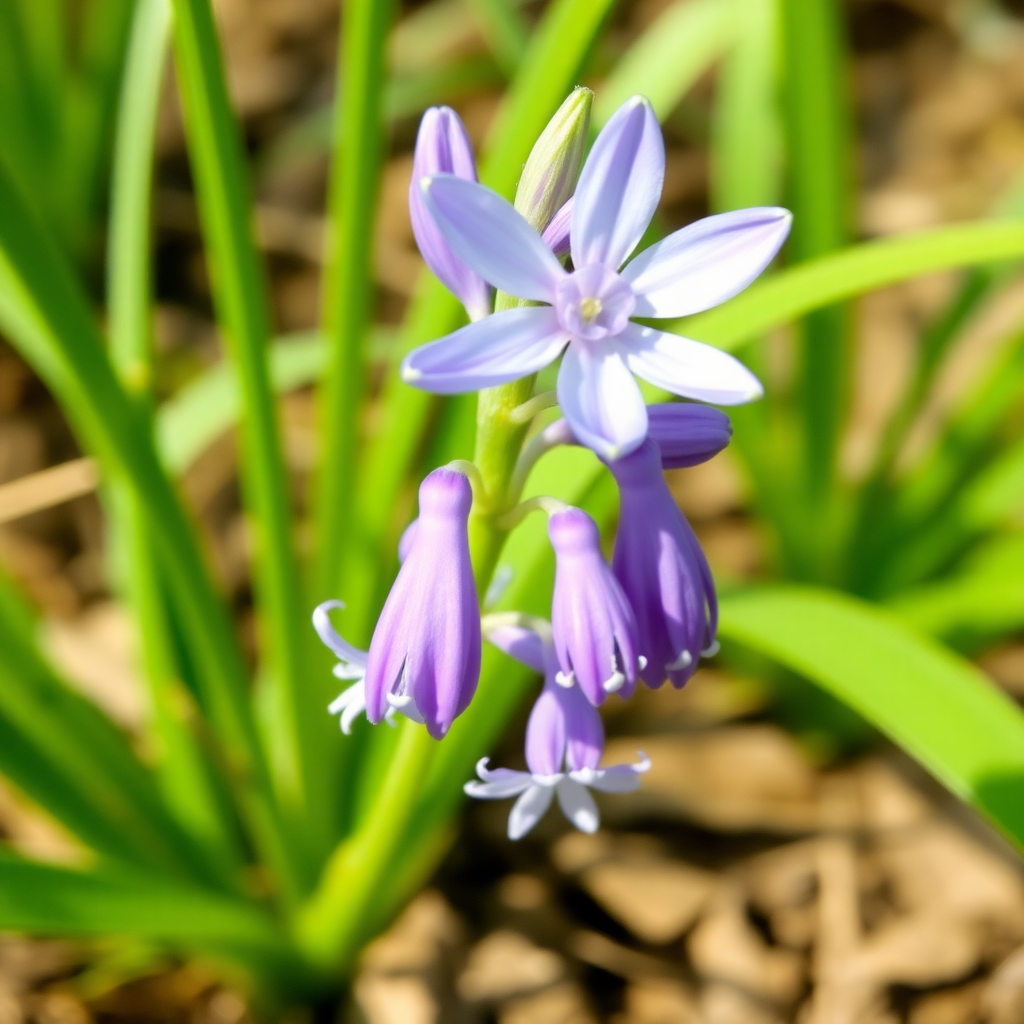
Each plant produces a handful of blossoms, each about one inch across, with a bright yellow centre that makes the flowers look like tiny suns set against a white sky.
When Does It Bloom?
One of the best things about Chionodoxa is its early flowering time. The buds emerge as soon as the ground thaws, usually between late February and early April, depending on your climate. In colder regions the bloom may be delayed a few weeks, but the plants are hardy and will still surprise you with their punctual performance.
How to Plant and Care for Chionodoxa
Location: Choose a spot that receives full sun to light shade. Though the plant tolerates partial shade, the brightest spots give the most vigorous blooms.
Soil: Well‑drained soil is a must. Chionodoxa does not like water‑logged roots, so if your garden has heavy clay, mix in sand or compost to improve drainage.
Planting depth: Plant each bulb about 3‑4 inches deep, with the pointed end facing upward. Space the bulbs 4‑6 inches apart to allow room for the clumps to expand.
Watering: Water lightly after planting to settle the soil, then let the natural rains take over. Once the leaves appear, keep the soil evenly moist but not soggy.
Fertilising: A light feeding of a balanced, slow‑release fertilizer in early spring can boost growth, but many gardeners find that Chionodoxa thrives without extra nutrients.
After‑flower care: Let the foliage die back naturally. The leaves store energy for the next year’s bloom, so resist the urge to cut them off immediately. Once the leaves turn yellow and dry, you can trim them away.
Using Chionodoxa in the Garden
Because the plants form compact clumps, they work beautifully in rock gardens, between paving stones, or as a border in a vegetable patch. Their early bloom also makes them excellent companion plants for later‑flowering bulbs such as crocuses, tulips, and daffodils. Pairing them creates a seamless colour transition from winter to spring.
For container lovers, Chionodoxa does just as well in a pot. Use a gritty potting mix, place the bulbs a few inches apart, and keep the container in a sunny windowsill or on a balcony. You’ll enjoy a mini‑snowfall of white flowers right at home.
A Few Quick Tips
Mulch lightly after planting to protect the bulbs from frost.
Divide clumps every 3‑4 years in late summer to keep the plants vigorous.
Avoid heavy traffic over the planting area until the foliage has died back—bulb nests are fragile.
Final Thoughts
Chionodoxa may be small, but it packs a powerful visual punch that heralds the arrival of spring. Its low‑maintenance nature, early blooming habit, and charming star‑shaped flowers make it a perfect choice for both beginner gardeners and seasoned horticulturists.
Plant a few bulbs this autumn, and watch as the “Glory of the Snow” brings a touch of winter wonder to your garden, one delicate bloom at a time. Happy planting!