Bluebonnets: Texas’s Iconic Spring Bloom
Every March, the Texas landscape undergoes a quiet transformation. Fields that have been brown and barren for months burst into a sea of sapphire‑blue petals, announcing the arrival of spring.
That dazzling display belongs to the bluebonnet (Lupinus texensis), the state flower and a botanical ambassador for the Lone Star State. In this post we’ll explore what makes the bluebonnet so beloved, its natural history, and a few tips for cultivating it in your own garden.
A Quick Botanical Snapshot
Bluebonnets belong to the lupine family, a group of leguminous plants that enrich soil with nitrogen—a natural fertilizer that benefits neighboring flora. The species most associated with Texas is Lupinus texensis, though related varieties such as Lupinus subcarnosus (the Texas bluebonnet) and Lupinus havardii also dot the Hill Country.
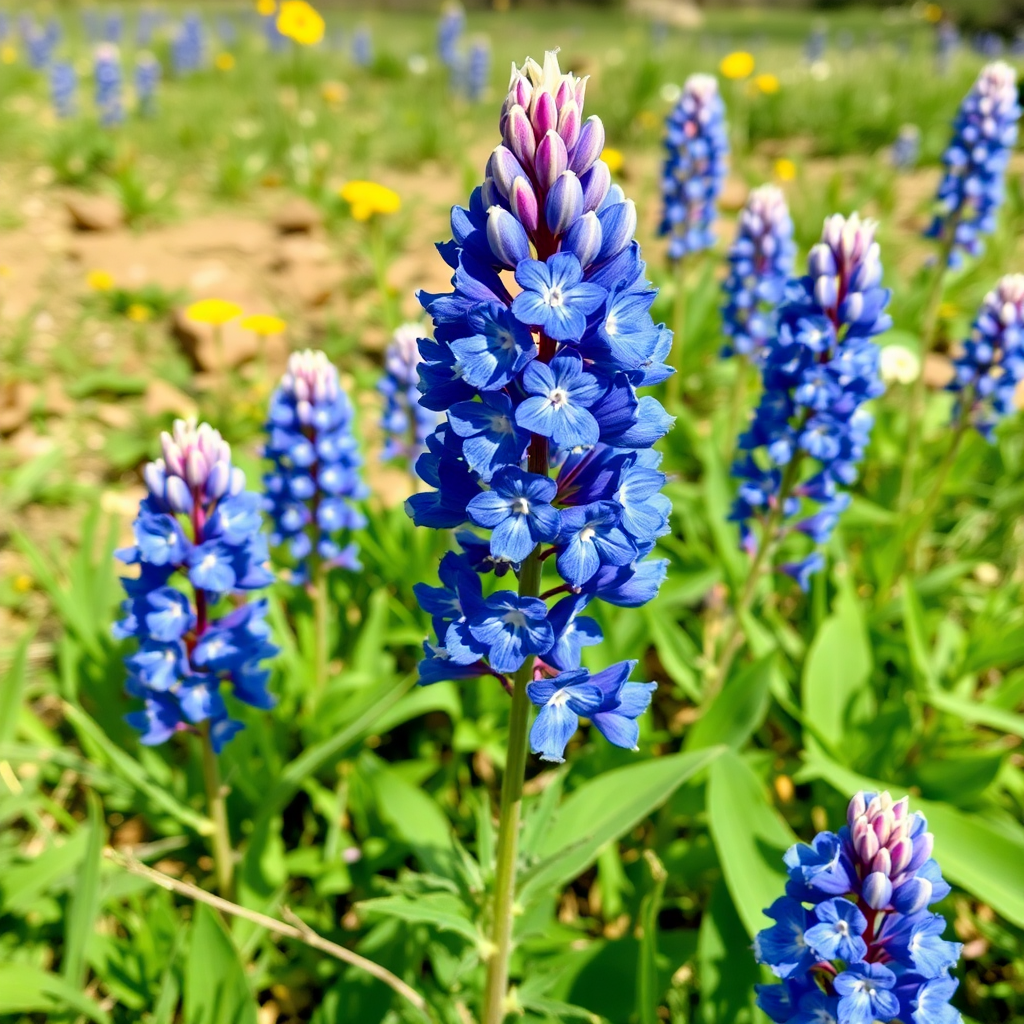
Each flower features a distinctive “banner” petal that points upward, flanked by two lower “wing” petals. The color palette ranges from the classic deep indigo to lighter sky‑blue shades, and occasional white or pink morphs appear thanks to natural genetic variation.
From Prairie to Icon
Native to the central and south‑central United States, bluebonnets originally thrived in open grasslands, prairies, and gravelly soils where competition is minimal.
By the early 20th century, the flower had become a cultural touchstone for Texans, appearing on postcards, school mascots, and even on the state’s highway signage. In 1901 the Texas legislature officially designated the bluebonnet as the state flower, cementing its place in regional identity.
Beyond aesthetics, the plant serves an ecological purpose. Its deep roots tap into moisture reserves that other, shallower‑rooted species cannot reach, while its nitrogen‑fixing nodules support the health of surrounding grasses. Bees, butterflies, and hummingbirds flock to the nectar‑rich blossoms, making bluebonnets a small but vital pollinator hotspot.
Growing Your Own Patch
Want to bring a slice of Texas to your backyard? Here are three essentials for successful bluebonnet cultivation:
Soil & Sun – Choose well‑draining, sandy‑loam soil and a location that receives full sun (at least six hours daily). Heavy, clayey soils retain excess moisture, which can cause root rot.
Sowing Time – Plant seeds in late fall after the first frost, or in early winter for milder climates. This mimics their natural cycle, allowing seedlings to experience a cold period that triggers germination.
Water & Care – Keep the seedbed lightly moist until sprouts appear, then water sparingly. Bluebonnets are drought‑tolerant once established, so over‑watering is more harmful than under‑watering.
For a more continuous display, stagger seedings every two weeks during the planting window. This creates overlapping bloom periods, extending the blue‑filled spectacle for weeks longer.
A Symbol Worth Preserving
The bluebonnet’s fleeting bloom reminds us that beauty is often transient, yet its impact endures in the collective memory of Texans and nature lovers alike. Whether you encounter a wild field of blue on a road trip or nurture a modest garden plot at home, taking a moment to appreciate this modest lupine is a small act of stewardship for a cherished piece of American flora.
So, when the next spring breeze carries the sweet, earthy scent of bluebonnets, pause, breathe, and let the blue‑tinted horizon inspire you to celebrate the simple wonders that stitch together our natural world.